Biodiversity
Conservation and ecosystem restoration for sustainable development
BiodiversityMateriality Level : Medium
Biodiversity is a vital natural capital that supports ecosystem stability around Pinthong Industrial Park. It serves as natural infrastructure that helps regulate water and air quality and reduce the impact of natural disasters, directly affecting business continuity and the quality of life of employees and communities. The Company is therefore committed to maintaining biological balance to build a shield against environmental risks, and to elevating Pinthong Industrial Park's competitiveness as an eco-industrial park that grows sustainably in harmony with nature and society.
Targets & Performance
| Indicators | Long-term Target 2030 |
2025 Target |
2025 Performance |
|---|---|---|---|
| Proportion of ecological green area to legally allocated green area | 100% | Not less than 60% | 63% |
| Net forest area ratio compared to previous year | 100% | 100% | 100% |
| Number of animal species lost within the Company's operational boundary compared to 2025 | 0 | - | - |
| Completeness of wildlife species database within the Company's operational boundary | 100% | 15% | 16.67% |
| Proportion of projects assessed for biodiversity risk in industrial estate development areas | 100% | 100% | 100% |
Risks and Opportunities
Inadequate management and restoration of green areas and biodiversity components may affect the quality of the industrial estate and its environmental management in several ways, including the reduction of natural buffer zones, landscape degradation, and increased maintenance burden in common areas. Furthermore, if upstream areas or surrounding natural areas are not properly maintained, this may affect ecosystem balance, drainage, and natural water retention capacity, potentially increasing the risk of flooding, waterlogging, or declining water quality within the estate and nearby areas. At the same time, these impacts may extend to surrounding communities in terms of environmental quality, landscape, and public complaints or concerns, which could affect the estate's image and its attractiveness to operators who prioritize sustainable operations.
At the same time, proper maintenance and development of green areas, along with consideration of upstream areas and surrounding ecosystems, will help enhance the quality of the industrial estate, support environmental management of common areas, and reduce potential impacts on surrounding communities, while strengthening the estate's image as an industrial area that is mindful of the environment and coexistence with communities.
Strategy and Management
The Company recognizes the importance of biodiversity as a fundamental factor supporting ecosystem balance and the long-term stability of industrial estate development. It is therefore committed to conducting business with consideration for the protection, restoration, and avoidance of impacts on natural resources alongside economic growth. The Company has also announced a Biodiversity Policy for the Future Towards Sustainable Business, under the framework of relevant environmental laws, standards, and requirements, to serve as a guideline for responsible area development and management. Priority is given to designing the industrial estate layout to achieve balance between industrial activities, green areas, and ecosystems; careful consideration of environmental impact assessment reports; implementation of projects in accordance with prevention and mitigation measures with continuous monitoring and evaluation; as well as promoting the use of environmentally friendly innovation and technology, and building awareness among employees, operators, and supply chain stakeholders.

Governance Structure
To ensure operations align with established policies, the Company has defined a governance structure and the roles and responsibilities of various units in driving biodiversity initiatives, from setting direction to management, monitoring, and evaluation, as follows.
| Responsible Unit | Roles and Responsibilities |
|---|---|
| Board of Directors | Oversee and approve policies, operational frameworks, and directions related to biodiversity, while monitoring key issues and performance results to align with the organization's sustainability goals. |
| Corporate Governance and Sustainability Committee | Screen and monitor operations according to biodiversity policies, plans, targets, and performance results, while providing recommendations to improve operational approaches in alignment with the organization's sustainability goals. |
| Corporate Governance and Sustainability Working Group | Drive and coordinate practical biodiversity operations by reviewing operational approaches and related targets, communicating practices to internal units, coordinating with relevant external agencies, monitoring progress, compiling data, and reporting results to relevant committees, as well as supporting the preparation of sustainability reports. |
| Employees | Comply with measures and practices defined by the Company, participate in green area maintenance activities or related activities, and report any irregularities that may impact green areas, ecosystems, or the environment to relevant units. |
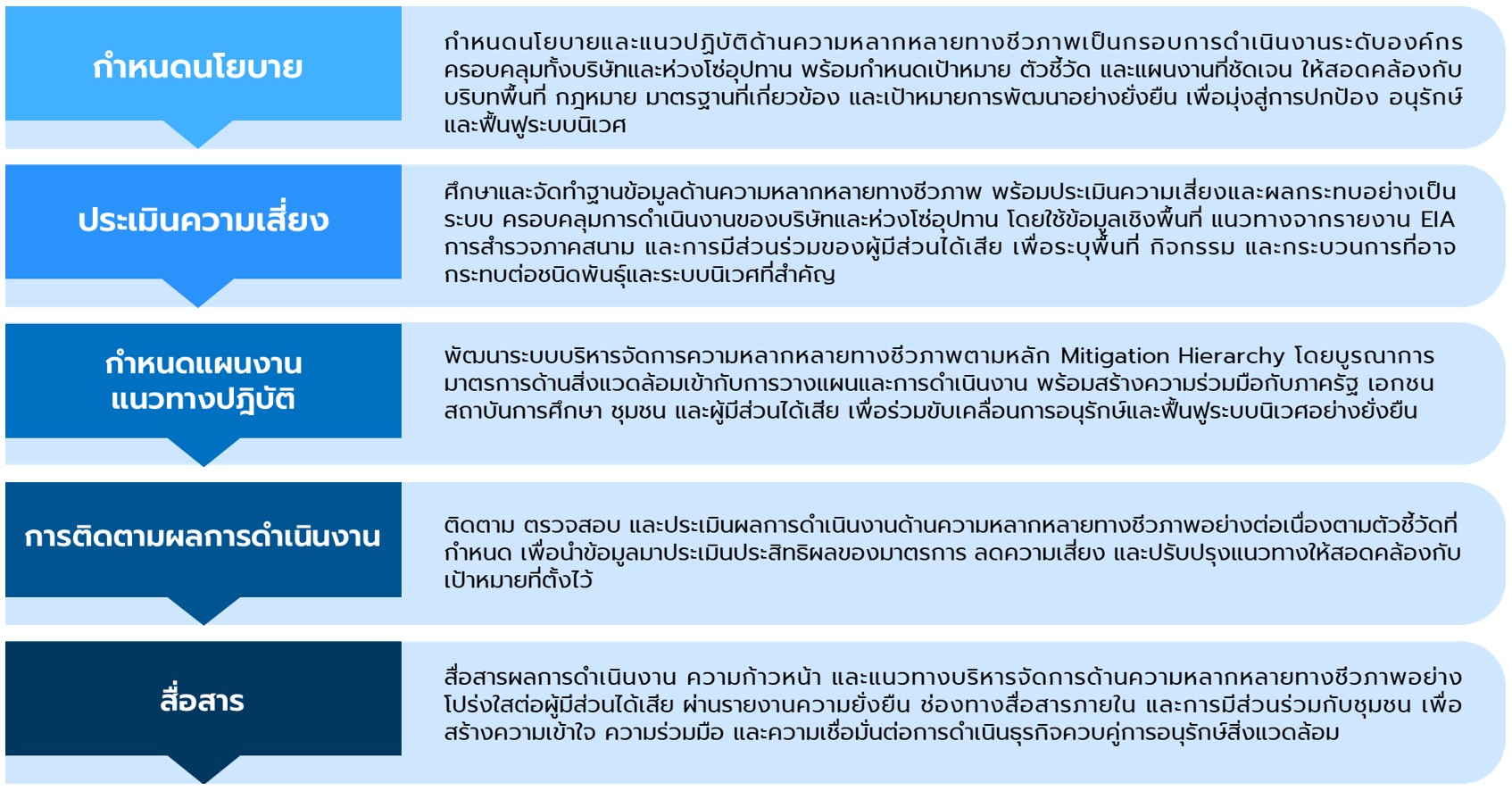
The Company has established a systematic biodiversity management framework, divided into 5 key processes to ensure operational clarity, alignment with the industrial estate context, and the ability to reduce ecosystem impacts while creating shared value with stakeholders over the long term, as follows.
Sustainable Ecosystem and Biodiversity Conservation Practices
Under the Nature Positive Action concept of “Sustainable Conservation of Ecosystems and Biodiversity,” Pinthong Industrial Estate has established an operational process ranging from baseline surveys, area planning and design, and ecosystem conservation and restoration to monitoring and evaluation, in order to evolve from a “green area” into a “living green area” (Living Green Area). This process serves as the development approach for every Pinthong Industrial Estate project through the following 8 key areas of operation:
| No. | Approach | Details |
|---|---|---|
| 1 | Pre-development Biodiversity Survey and Assessment | Survey native plant and animal species, including endemic and endangered ecosystems. Assess the ecological significance of areas such as natural water sources, wildlife corridors, and wetland areas, using data from experts, ecologists, and local communities. |
| 2 | Ecosystem-friendly Area Layout Design | Establish buffer zones between industrial areas and natural areas, create ecological green spaces within the industrial estate, and apply Nature-based Solutions using native plants for area restoration. |
| 3 | Sustainable Water and Drainage Management | Develop Retention and Detention Ponds for water management, create water sources as wildlife habitats, design natural drainage systems, and treat water for reuse in green areas. |
| 4 | Nature Restoration and Green Area Zones | Plant native and wildlife-connecting species, implement Reforestation and Afforestation in areas surrounding the industrial estate, and establish ecological green areas while maintaining ecosystem integrity. |
| 5 | Biodiversity Action Plan Development | Define biodiversity targets, performance indicators, timelines, responsibilities, and systematic monitoring and evaluation mechanisms. |
| 6 | Community and External Stakeholder Engagement | Coordinate with government agencies, educational institutions, and environmental organizations. Provide opportunities for communities to participate in design and decision-making, and carry out joint CSR activities. |
| 7 | Prevention and Management of In-area Factory Impacts | Monitor and control air, water, and noise pollution impacts, establish an environmental emergency reporting system, and define appropriate response measures. |
| 8 | Transparent Monitoring, Inspection, and Reporting | Use technology such as drones and sensors to monitor area conditions, prepare annual biodiversity performance reports, and disclose information to stakeholders. |
Mitigation Hierarchy
| No. | Approach | Description | Actions |
|---|---|---|---|
| 1 | Avoidance | Prevent and avoid activities that may cause significant impacts on ecosystems and biodiversity from the start of project construction. |
|
| 2 | Minimization | Reduce the level, frequency, or severity of impacts that occur or may occur to the minimum, through improved operational processes and impact control. |
|
| 3 | Rehabilitation | Restore and rehabilitate ecosystems in areas affected by operations to return them to appropriate conditions. |
|
| 4 | Offset | Offset residual impacts on biodiversity. |
|
Biodiversity Risk and Impact Assessment
The Company has identified and assessed the location of its own operations by comparing them against the database of Protected Areas and areas of significant biodiversity importance from the Protected Planet website (https://www.protectedplanet.net/), to identify ecologically sensitive or at-risk areas. The 2025 assessment results indicate that the risk level is low, as the Company's operational areas are not located within or in close proximity to protected areas or areas of significant biodiversity importance, with a distance of more than 5 kilometers from such areas, as shown in the following table.
| No. | Protected Areas and Areas of Significant Biodiversity Importance | Location (Latitude, Longitude) |
Own Operation | Distance from the Asset (km) | Impact Assessment |
|---|---|---|---|---|---|
| 1 | Chonburi Environmental Protected Area | 13.0020230, 100.8962510 |
Pinthong Industrial Estate 1 (PIN1) Pinthong Industrial Estate 2 (PIN2) |
>5 km | No |
| 2 | Khao Khiao-Khao Chomphu Wildlife Sanctuary | 13.17605, 101.051225 |
Pinthong Industrial Estate 3 (PIN3) Pinthong Industrial Estate 4 (PIN4) Pinthong Industrial Estate 5 (PIN5) |
>5 km | No |
| 3 | Ko Kam Yai Marine Fisheries Reserved Area | 13.17068, 100.825691 |
Pinthong Industrial Estate 6 (PIN6) | >5 km | No |
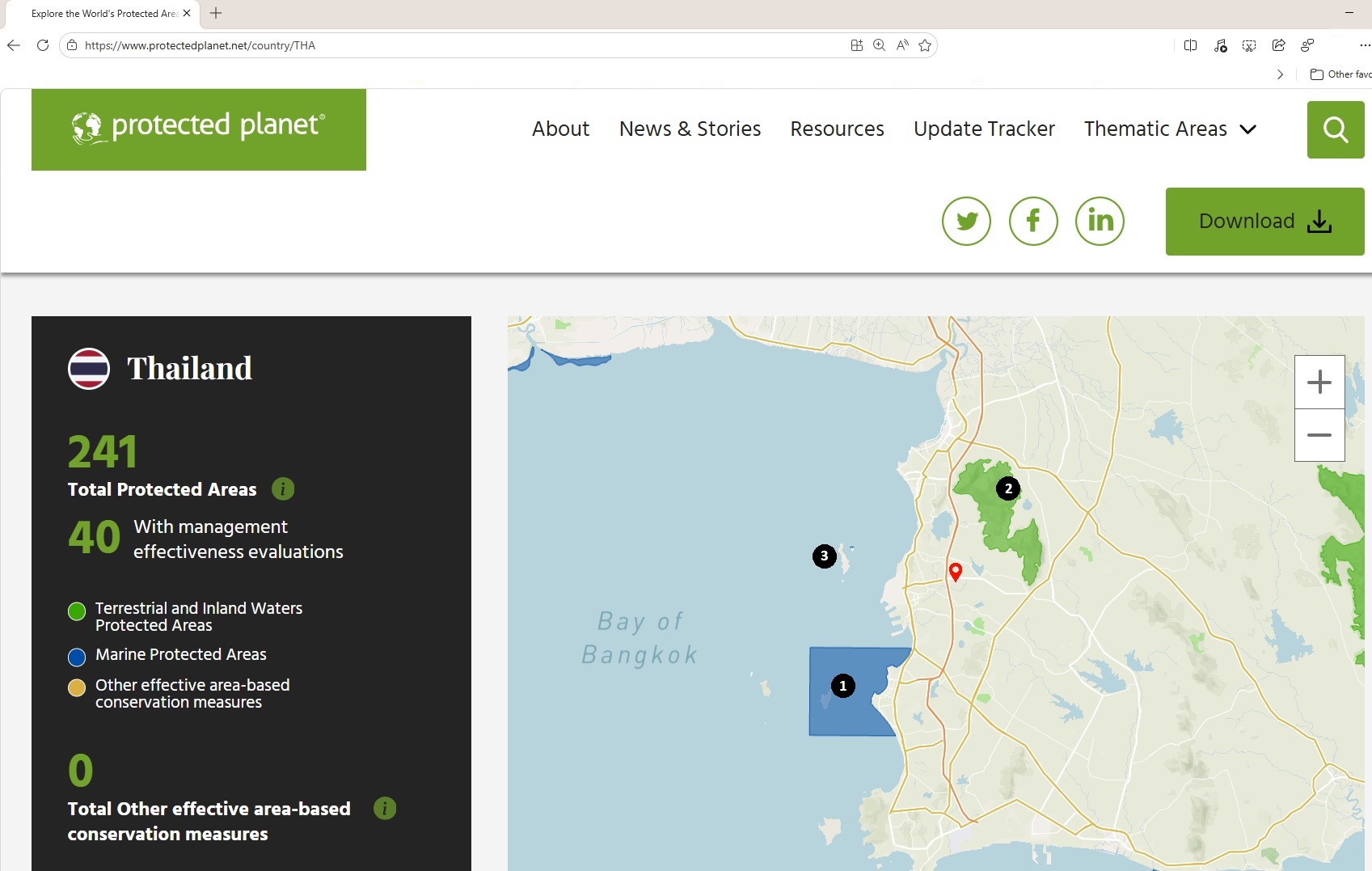
Company operational area location map (Source: https://www.protectedplanet.net/)
In addition, the Company has adopted the WWF Risk Filter Suite as a reference tool for assessing and reviewing biodiversity risks, in order to systematically identify and prioritize relevant risk issues at the organizational level, covering a total of 6 assessed projects. By analyzing biodiversity risks classified by Risk Category, it was found that the highest risk issue is Pressures on Biodiversity, with a risk score of 4.3, reflecting factors from land use, project development, and activities that may directly impact ecosystems.
Next is Socioeconomic Factors at a level of 4.0, reflecting stakeholder expectations, shared resource use with communities, and corporate image issues that may affect long-term business operations. Regulating & Supporting Services – Enabling and Environmental Factors are at a level of 3.5, while Provisioning Services, Regulating Services – Mitigating, and Additional Reputational Factors are at a moderate risk level of 3.3–3.4. Cultural Services has the lowest risk level at 2.0.
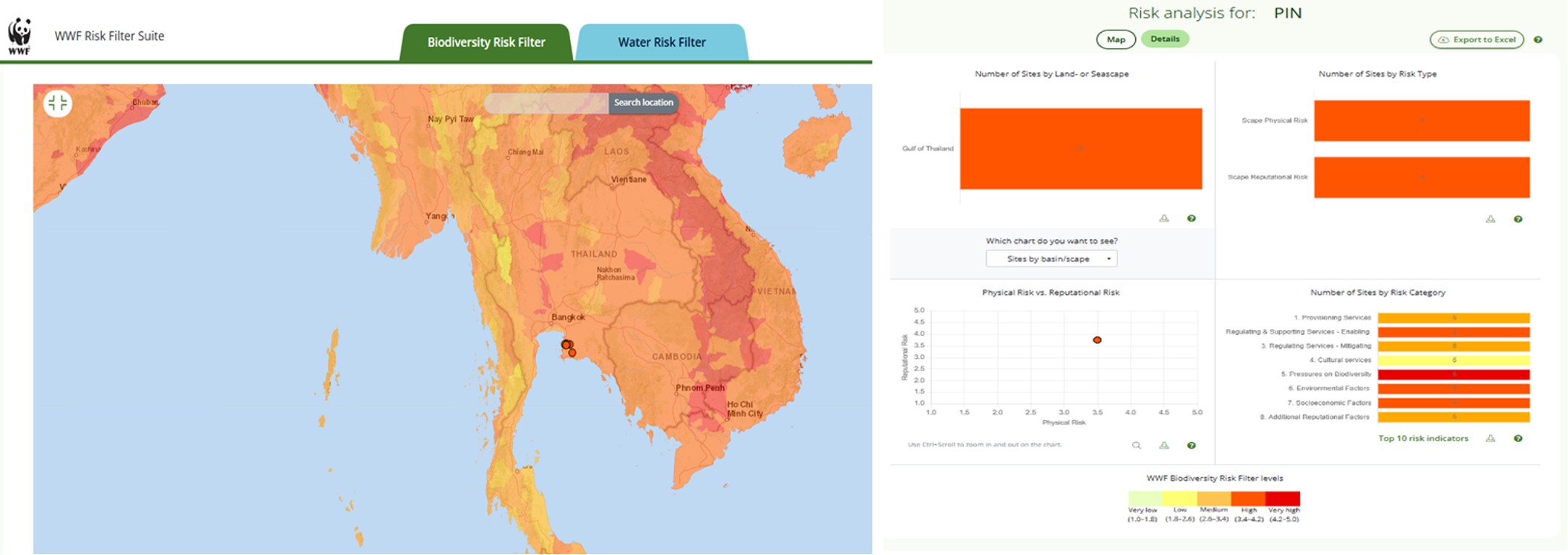
Image: Biodiversity Risk Analysis Results (Source: https://riskfilter.org/)
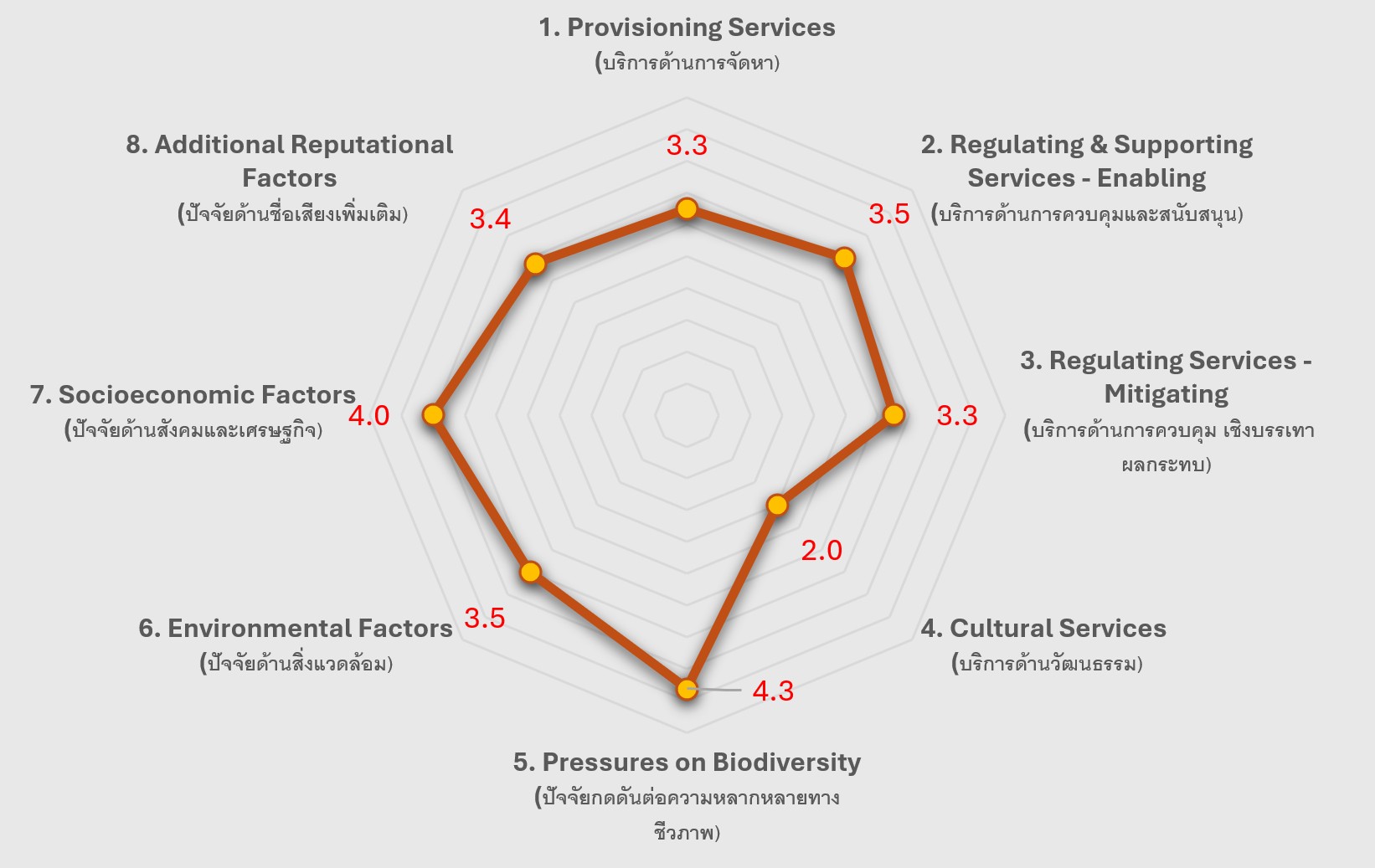
Risk Category Analysis Results for Each Indicator
The Company will use the assessment results to prioritize biodiversity risks, define prevention and mitigation measures for high-risk issues, integrate them into governance processes and business decision-making, and continuously monitor and review performance to ensure alignment with established targets.
Natural Resource Conservation and Ecosystem Restoration
The Company has studied biodiversity data of living organisms in Chonburi Province to serve as preliminary information for the Company's future operations, through the Thailand Biodiversity Information Facility (TH-BIF), for use in spatial context assessment. It was found that a total of 681 animal species have been recorded. Among these, 32 species are at-risk according to the IUCN Red List criteria, comprising 10 Near Threatened (NT) species, 7 Vulnerable (VU) species, 10 Endangered (EN) species, and 5 Critically Endangered (CR) species. This data reflects the ecological importance at the area level and has been used as supporting information in planning prevention and impact mitigation measures from the Company's operations on species of conservation significance.
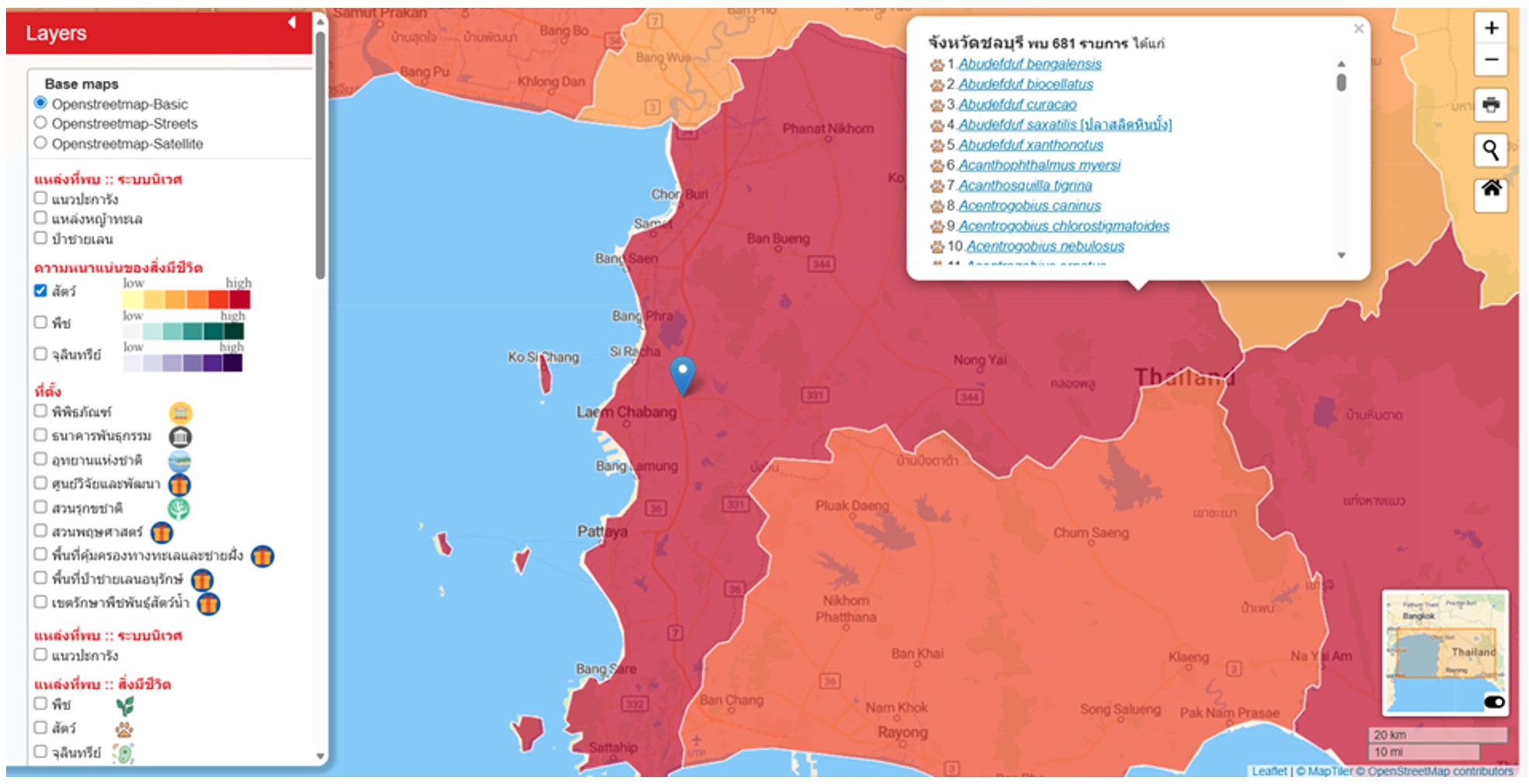
Thailand Biodiversity Information Map (Source: https://thbif.onep.go.th/gis/main/index.php)
Based on area-level biodiversity data studies, the Company has designated a pilot area within Pinthong Industrial Estate 3 as a site for ecological study, conservation, and restoration, which represents the initial phase of operations across all project areas. A database of living organisms and biodiversity has been compiled to serve as indicators and monitoring measures for conservation. The focus is on maintaining and enhancing biodiversity through natural environment restoration, planting and caring for native plant species, and creating suitable habitats for ecosystem organisms. This is coupled with developing the area as an environmental learning center for employees and stakeholders to build awareness and participation in natural resource stewardship, laying the foundation for scaling up to other project areas and supporting industrial development in alignment with long-term ecosystem balance.
Biodiversity Survey Project
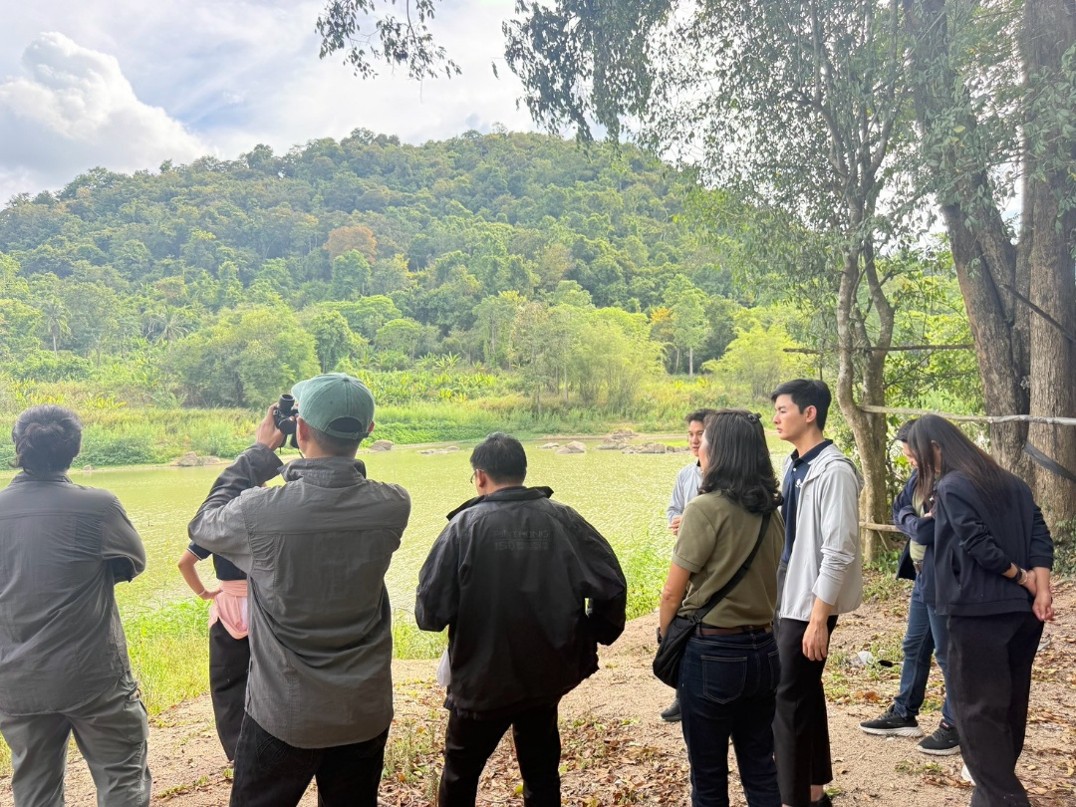
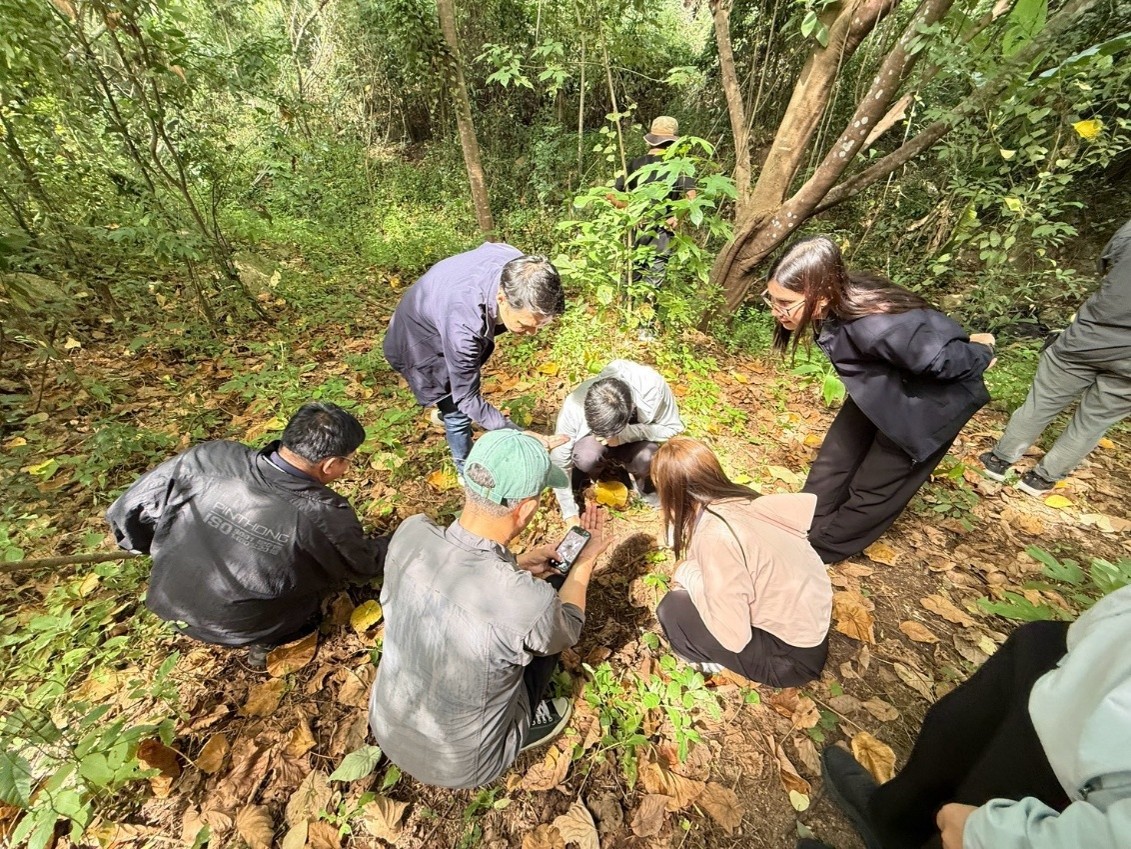
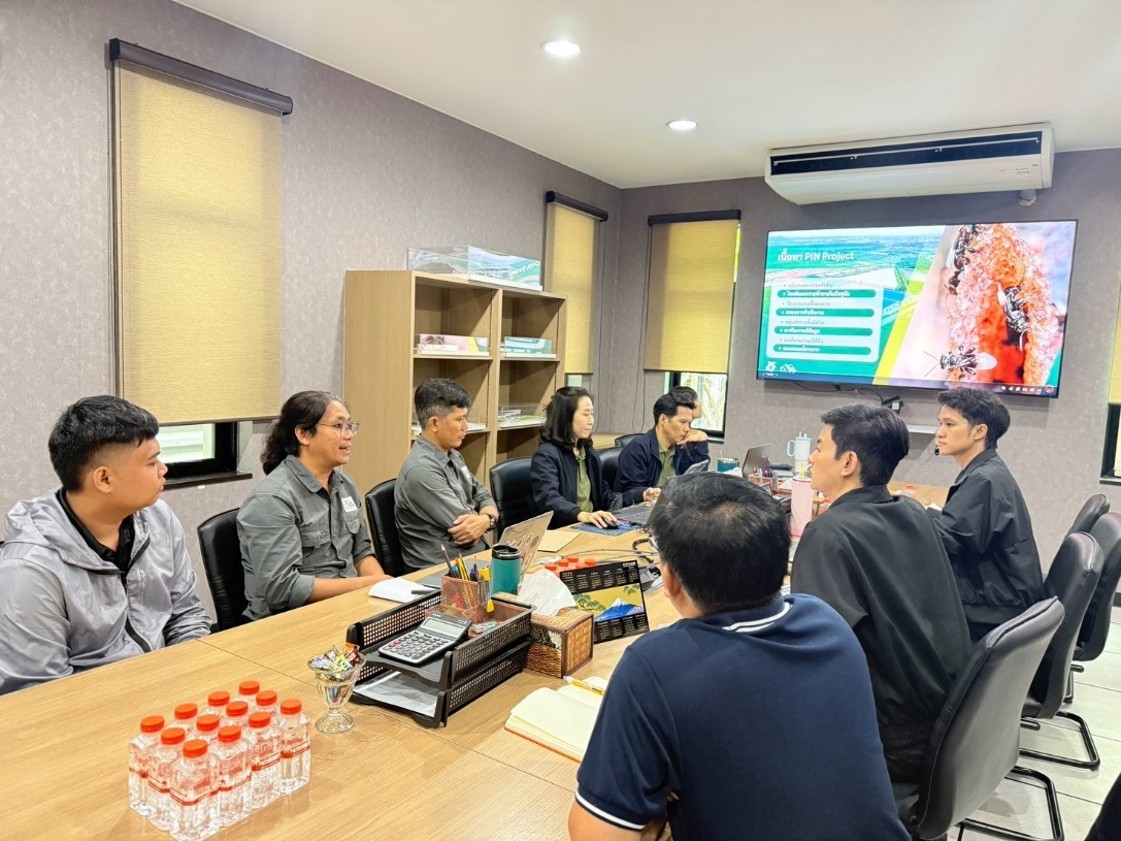
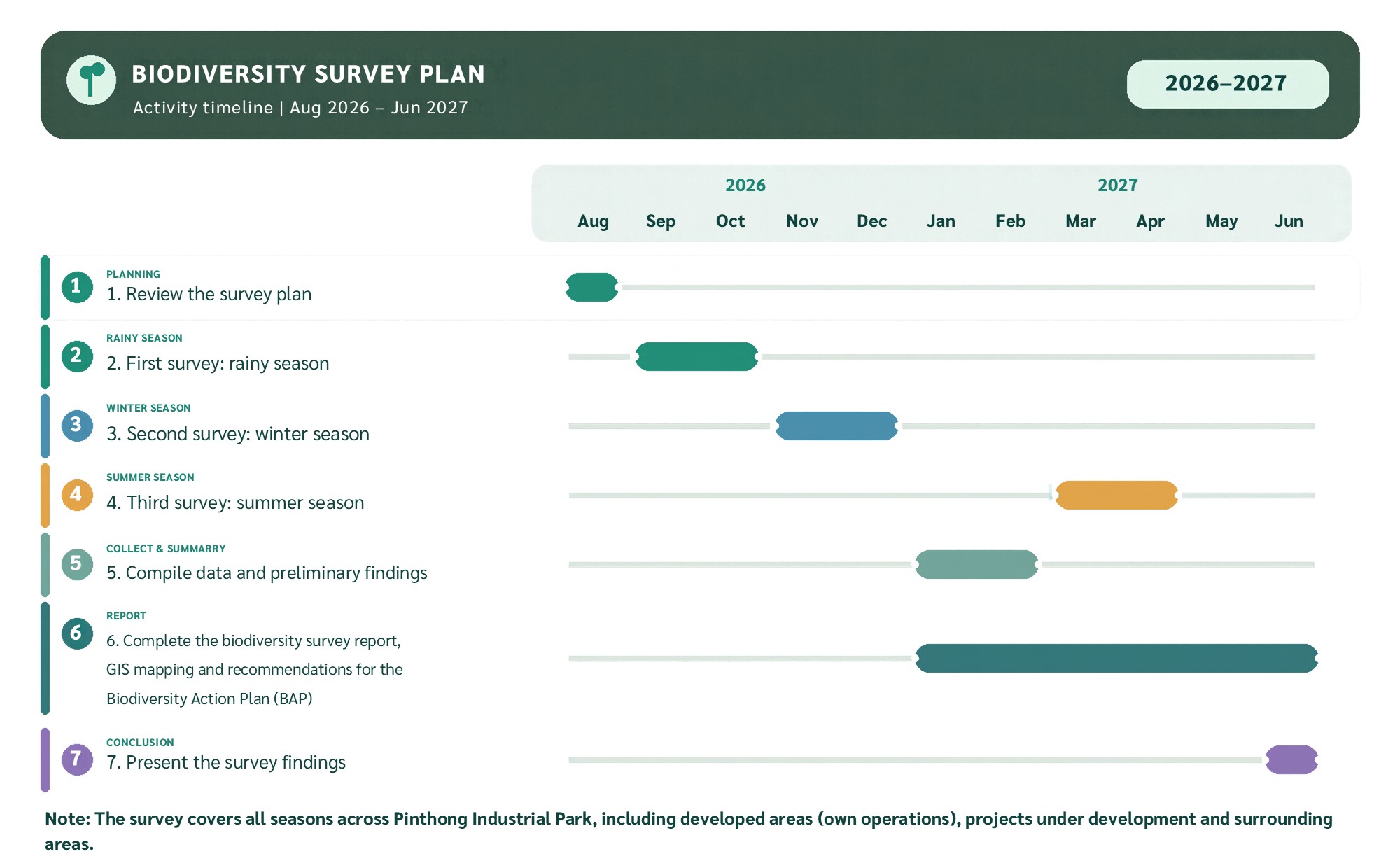
The Company is conducting a biodiversity survey project in collaboration with Save Wildlife Thailand during 2026–2027, covering all seasons across Pinthong Industrial Estate areas, including developed projects (Own operations), projects under development (New Projects) and surrounding areas. The survey aims to identify animal species, establish a biodiversity baseline, and assess the richness of ecosystems, habitats and key areas, as well as related threats and risks, including species of conservation importance and threatened species on the IUCN Red List. The results will be used to define measures for conservation, restoration and mitigation of operational impacts, and to develop a Biodiversity Action Plan (BAP) with indicators and long-term monitoring approaches. They will also support biodiversity disclosure in line with international guidelines and be communicated to stakeholders, including surrounding communities, to promote ecosystem stewardship and the systematic management of nature-related risks.
Biodiversity Conservation Implementation
(Pilot Project: Pinthong Industrial Estate 3)
This pilot project was established to systematically study ecosystem conditions and habitats within the industrial estate and surrounding areas, using indicator species to assess ecosystem integrity and changes. It also involves restoring and improving habitats to support the survival of organisms in the area, while continuously monitoring and evaluating the impacts of industrial activities. The resulting data is communicated to stakeholders to build understanding, promote participation in natural resource stewardship, and serve as a guideline for elevating the industrial estate's environmental management in alignment with long-term development. The operational process is as follows.
- Ecosystem Analysis: Study the ecosystem structure and habitats in the area.
- Indicator Species Selection: Select species that reflect ecosystem integrity.
- Habitat Restoration: Improve and maintain habitats suitable for living organisms.
- Ecosystem Assessment: Use indicator species data to assess ecosystem status.
- Results Communication: Disseminate findings and foster stakeholder engagement.
From the study and data collection of living organisms within the pilot area in 2025, a total of 71 species of biodiversity were found, as follows.
| Type of Living Organisms | Biodiversity Count (Species) | |
|---|---|---|
| สัตว์ขาปล้อง (กลุ่มแมลงและแมง) | Arthropods (Insects & Arachnids) | 23 |
| สัตว์เลี้ยงลูกด้วยนม | Mammals | 8 |
| สัตว์เลื้อยคลาน | Reptiles | 10 |
| สัตว์ไม่มีกระดูกสันหลัง | Invertebrates | 4 |
| สัตว์ปีก | Birds (Aves) | 25 |
| สัตว์สะเทินน้ำสะเทินบก | Amphibians | 1 |
| Total | 71 | |
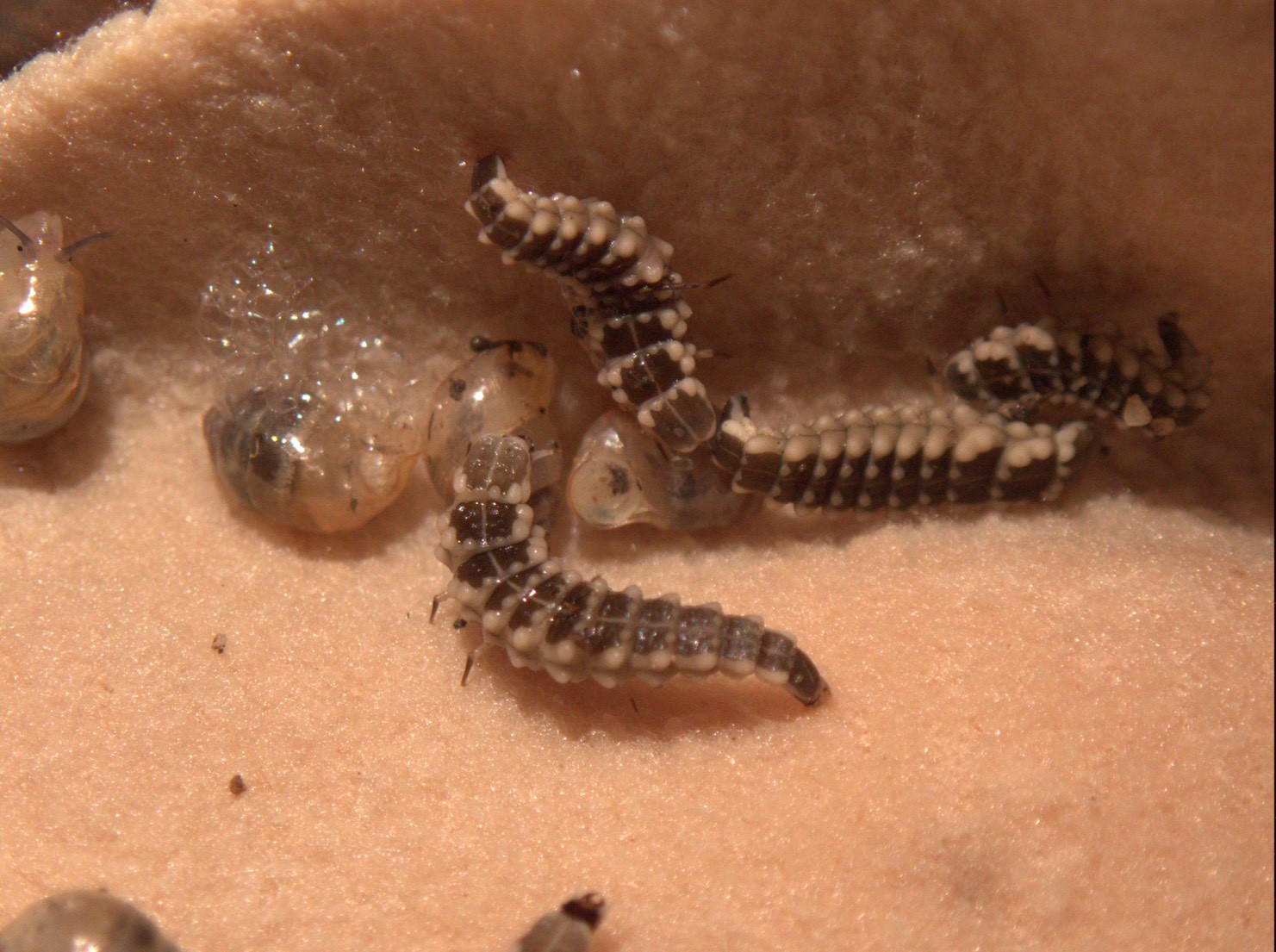
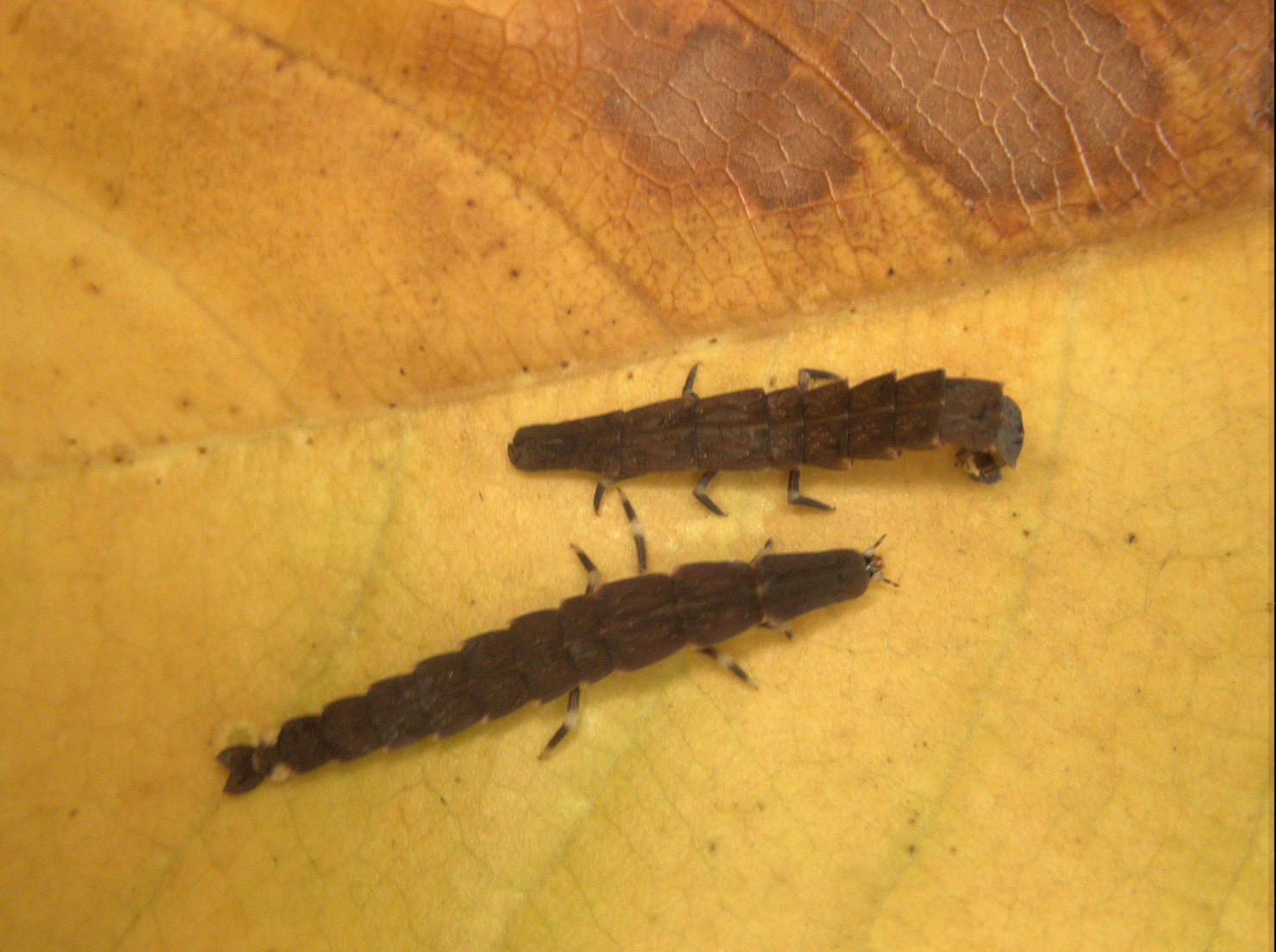
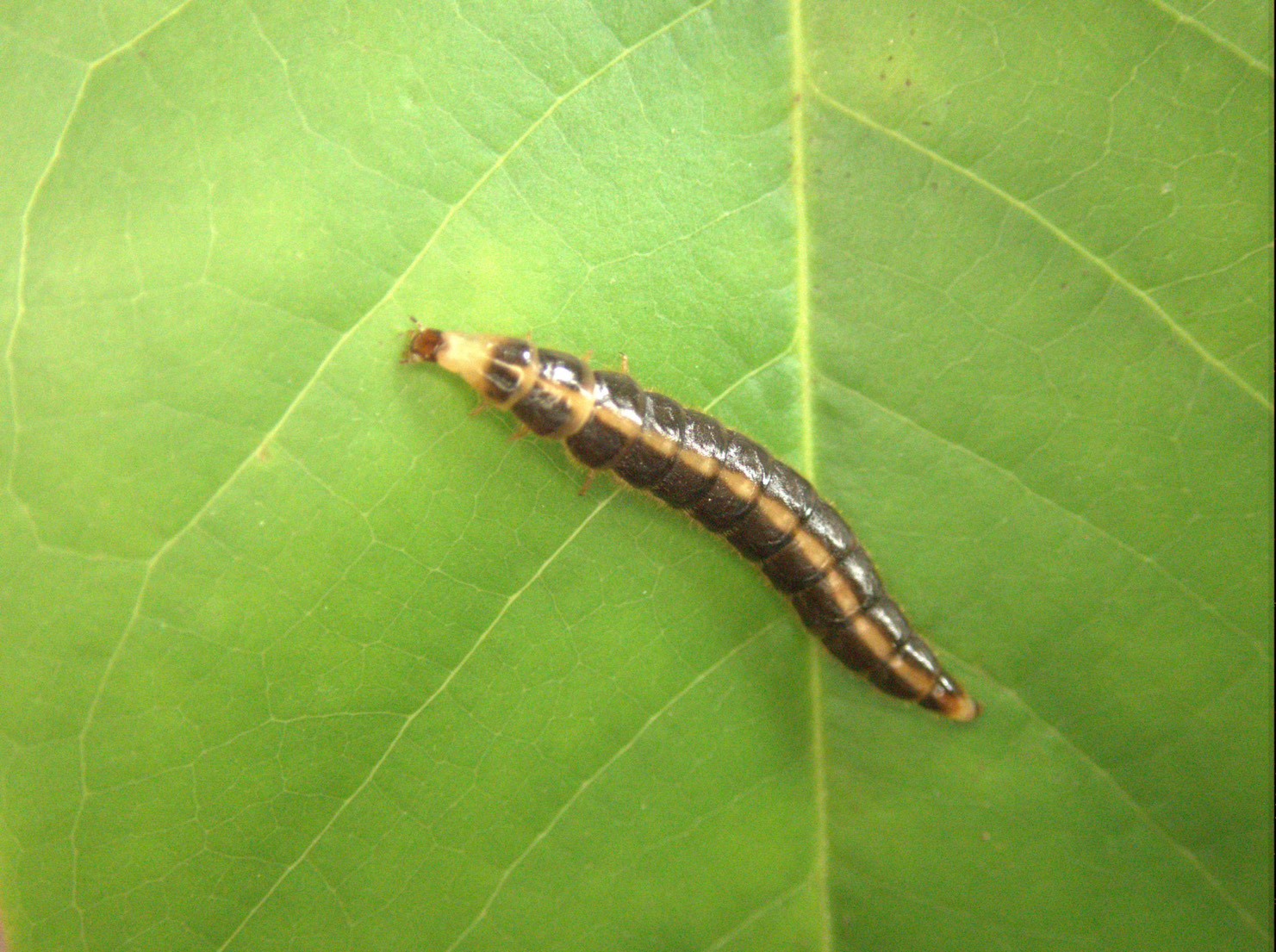
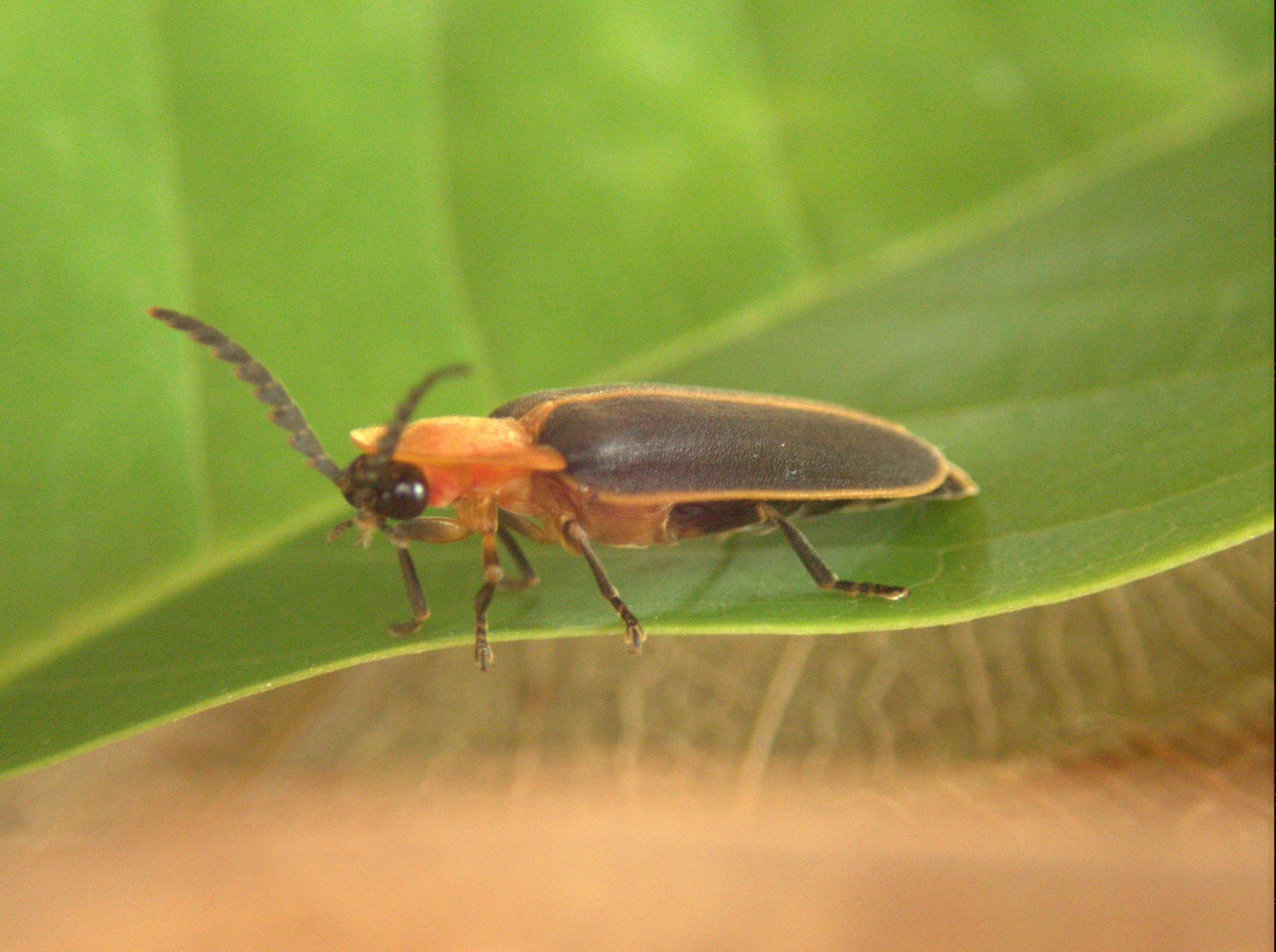
From the biodiversity survey and data collection in the pilot area, the Company discovered the presence of fireflies — a species of ecological significance with declining populations in nature. The Company therefore developed the "Research and Conservation Project for Rare Firefly Species of Thailand in Pinthong Industrial Estate 3" as a dedicated project to study habitat characteristics, behavior, and environmental factors conducive to firefly survival, while implementing improvements and restoring the environment to suit the species' habitat needs, as follows.
Research and Conservation Project for Rare Firefly Species of Thailand in Pinthong Industrial Estate 3
The Research and Conservation Project for Rare Firefly Species of Thailand in Pinthong Industrial Estate 3 was established with the objectives of studying firefly species diversity, monitoring seasonal population changes, and restoring ecosystems suitable for firefly survival — a species classified as Endangered (EN). The project duration runs from November 2025 to December 2026, under a collaboration between the Department of Entomology, Faculty of Agriculture, Kasetsart University, Pinthong Industrial Estate, and Green Hills Resort Sriracha.
Operations cover the survey and classification of firefly species in potential areas, continuous monitoring of both larval and adult population numbers along with microhabitat factor data collection, and recording and assessing threats affecting populations such as habitat loss, light pollution, chemical use, and water pollution. Laboratory studies of larval feeding behavior are also conducted to understand food source requirements. All study results are analyzed to determine appropriate ecosystem restoration approaches for the area, including reducing light intensity and controlling light direction at night to minimize light pollution impacts, as well as adding floating aquatic plants such as water lettuce and duckweed to provide suitable egg-laying sites and habitats for freshwater fireflies — creating an environment conducive to population recovery and long-term ecosystem health.
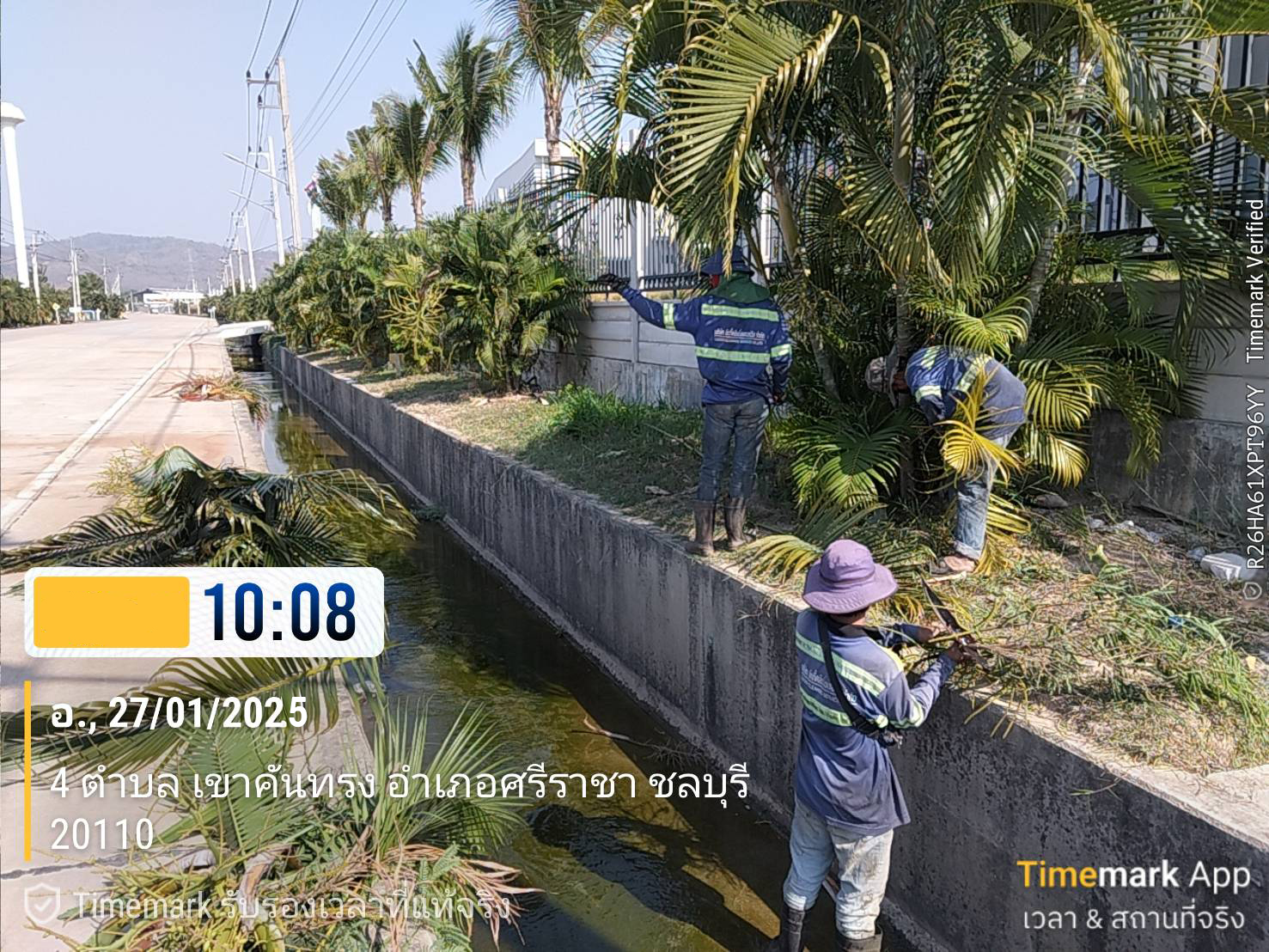
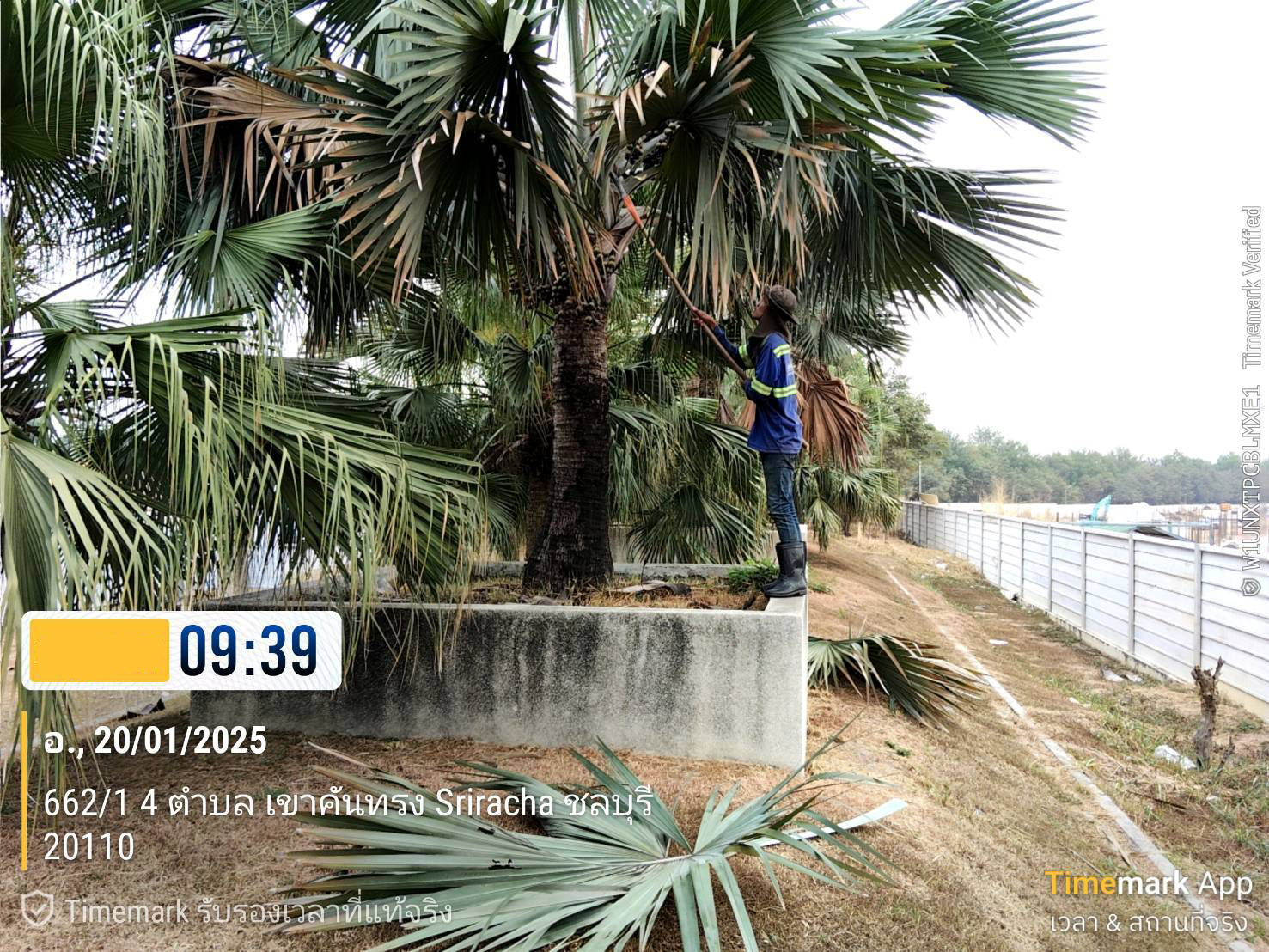
The Company implements an ecological green area development project within the industrial estate, with the objective of restoring and expanding green areas both within and surrounding the project site, while establishing Buffer Zones to reduce environmental impacts from industrial activities and help absorb greenhouse gases alongside improving air quality in the area. Operations focus on planting native tree species suitable for the local soil and climate conditions, with durability and carbon sequestration potential, such as Casuarina, Nontree, Bottle Brush, Tamarind, Indian Ashoka, and Rain Tree. Planting patterns are designed to suit the size and characteristics of each species, such as planting large trees at 6x6 meter spacing and small trees at 2x2 meter spacing along boundary lines and open areas within the industrial estate.
In 2025, the Company carried out green area maintenance and expansion activities covering all 6 operational industrial estates. The tree planting project at Pinthong Industrial Estate represents a key contribution to elevating the area toward becoming an ecological green zone, helping to enhance biodiversity, reduce environmental impacts, and improve the quality of the surrounding environment. Currently, the Company has planted a total of 11,921 trees in green areas, covering 573.95 rai, as follows.
| Project | Ecological Green Area Development Zone (Rai) | Completed Area (Rai) | Green Area Development Plan 2026 (Rai) | Native Tree Species |
|---|---|---|---|---|
| PIN1 | 151.03 | 151 | 0 | Casuarina, Nontree, Bottle Brush, Tamarind, Indian Ashoka, Padauk |
| PIN2 | 165.00 | 121 | 0 | Trees (General forest trees, Padauk, Afzelia, Cassia, Yang, Mahogany) |
| PIN3 | 189.16 | 184 | 20 | Trees (General forest trees, Padauk, Afzelia, Cassia, Yang, Mahogany) |
| PIN4 | 67.19 | 21 | 17 | Trees (General forest trees, Padauk, Afzelia, Cassia, Yang, Mahogany) |
| PIN5 | 148.04 | 93 | 12 | Mixed species e.g. Rain Tree, Eucalyptus, Pine, Padauk, Indian Ashoka, Devil Tree |
| PIN6 | 185 | 3.9 | 40 | Rosewood, Forest Padauk, Phayom, Afzelia, Krapeejun, Sathorn |
| Total | 905.42 | 573.95 (63%) | 189 |
In addition, the Company manages and maintains green areas within the project, carrying out maintenance and restoration of degraded green areas, and monitoring to protect forest and green areas within its operational boundary to prevent net loss, alongside reducing operational impacts. This is guided by the principles of avoidance and impact reduction from the project planning stage, with restoration or compensation in cases where avoidance is not possible, in order to integrate business operations with natural resource conservation and biodiversity, and to continuously enhance the environmental quality within the project area.
Fostering Participation and Biodiversity Awareness
The Company places importance on building awareness and participation among all stakeholder groups in biodiversity conservation and restoration, with a focus on cultivating environmental consciousness in natural resource stewardship through various activities and projects in collaboration with communities, government agencies, and operators within the industrial estate, as follows.
Royal Reforestation Project
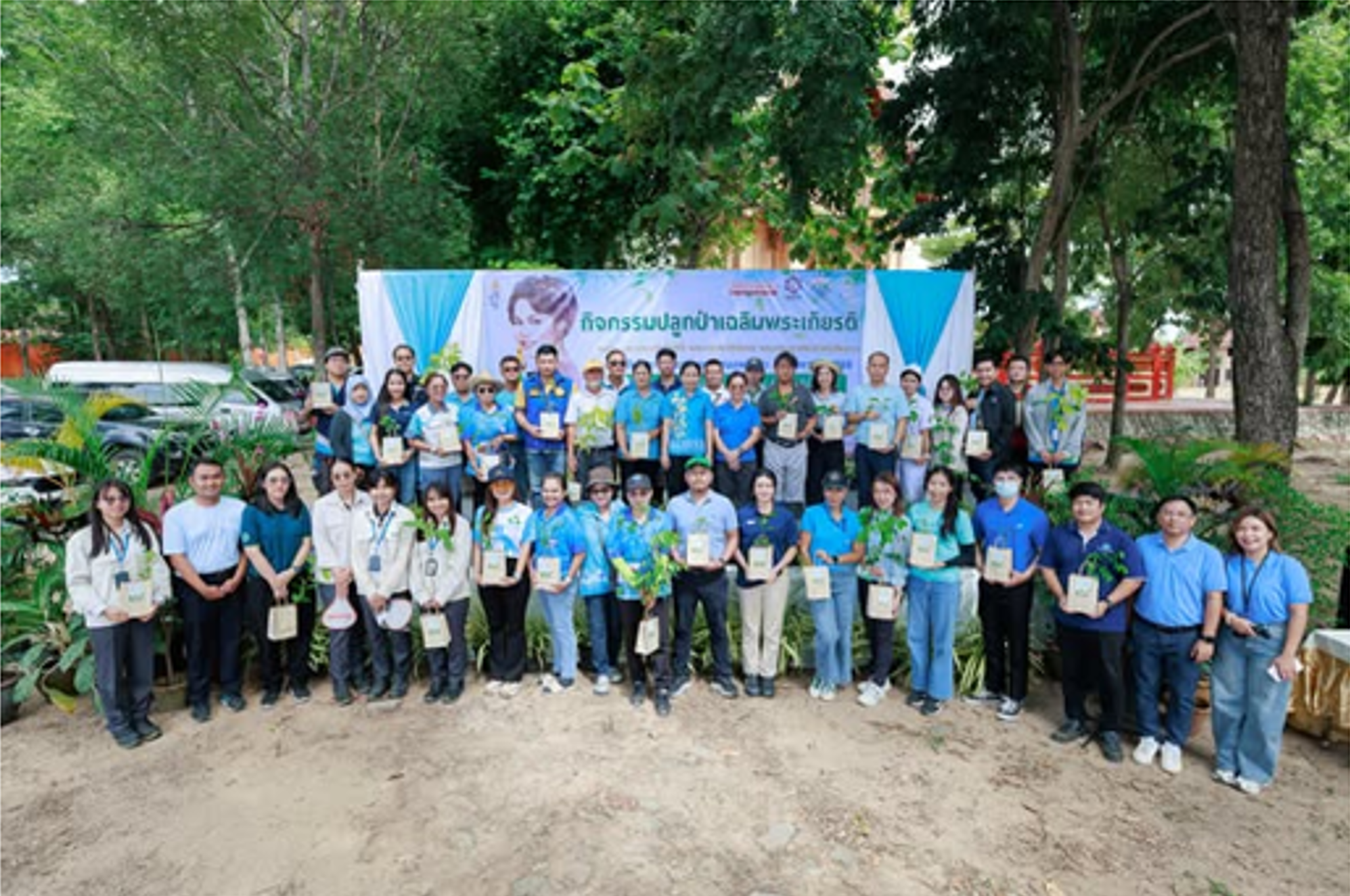
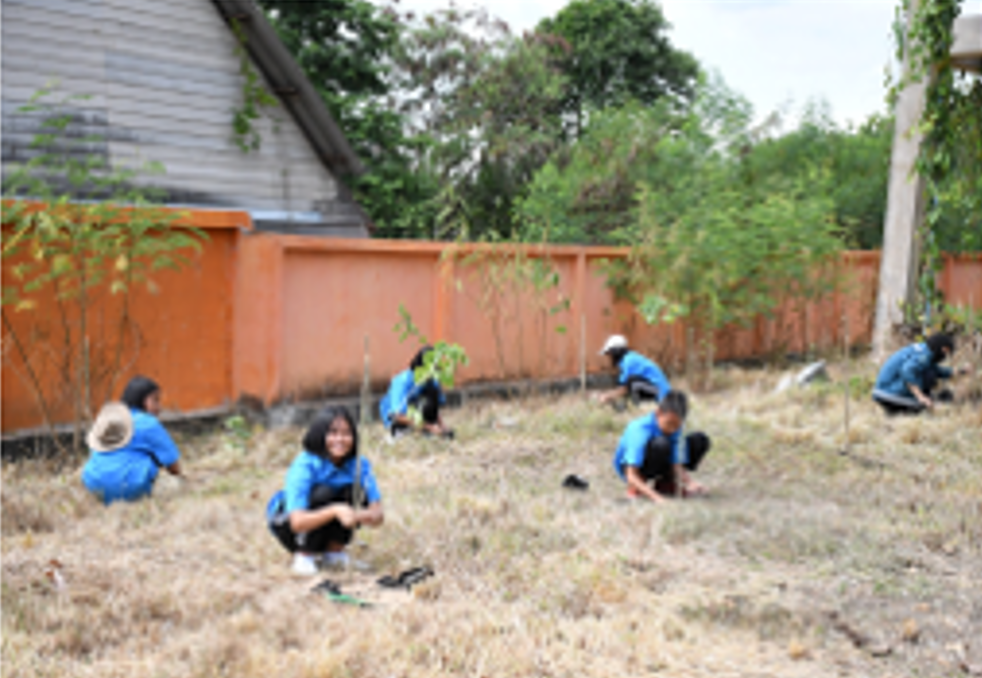
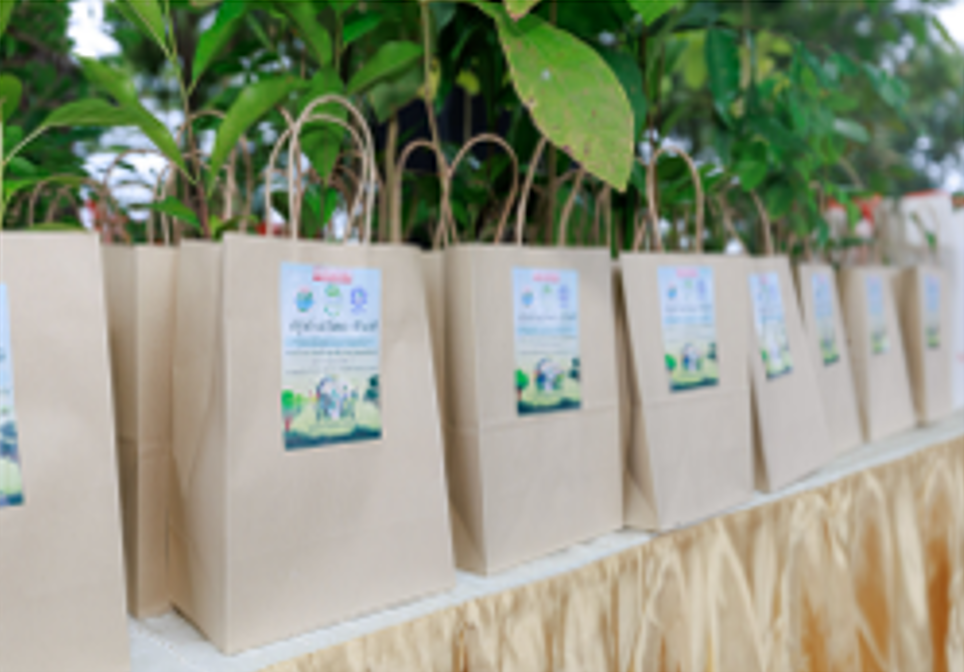
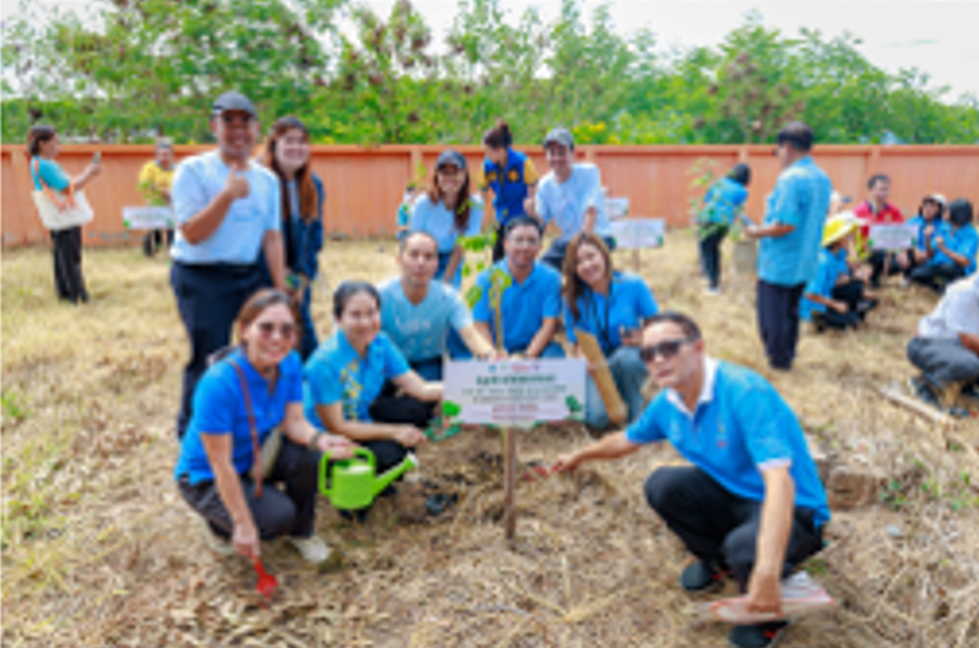
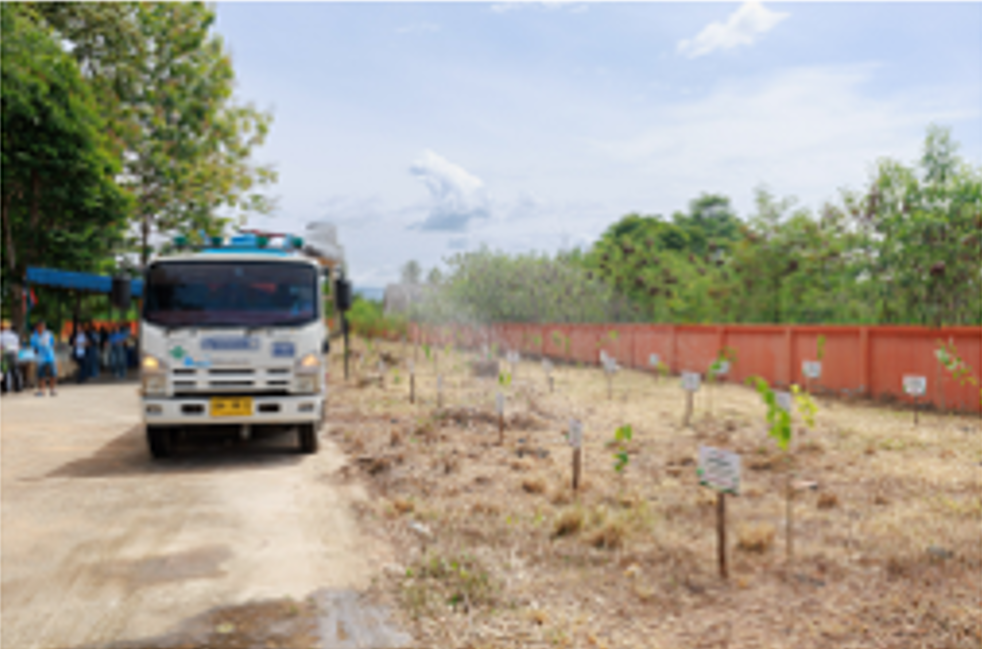
The Company has continuously implemented tree planting projects for ecosystem conservation and restoration since 2022, in collaboration with communities and government agencies in the provinces where projects are located, under the Royal Reforestation Project. The objective is to restore the forested environment surrounding the industrial estates to full abundance, enhance the beauty of the area, and improve the quality of life for communities — reflecting a commitment to participating in greenhouse gas reduction alongside ecosystem restoration and expanding green areas in surrounding communities.
In 2025, the Company planted a total of 2,100 trees in collaboration with communities and government agencies, helping to absorb and sequester approximately 19,950 kilograms of carbon dioxide per year (CO2/year).
| Year | Community | Number of Trees Planted | Carbon Sequestration per Year | Tree Species Planted |
|---|---|---|---|---|
| 2565 | Wat Khao Din Wanaram | 300 | 2,850 | Teak, Rosewood, Afzelia, Chingchan, Ironwood, Mahogany |
| 2566 | Ban Mab Lambid Community Forest | 1,000 | 9,500 | Ironwood, Afzelia, Padauk, Yang, Afzelia |
| 2567 | Ban Noen Tong Community Forest, Noen Tong Community | 500 | 4,750 | Teak, Rosewood, Afzelia |
| 2568 | Wat Khao Noi Phathanaram, Khao Noi Community | 300 | 2,850 | Teak, Rosewood, Afzelia, Phayom |
Environmental Impact Monitoring (EIA Monitoring)
The Company places importance on fostering participation and environmental consciousness in natural resource conservation and ecosystem restoration among employees, operators, partners, and surrounding communities through continuous communication, information sharing, and engagement opportunities. A key mechanism is the meeting and reporting of compliance with environmental prevention and mitigation measures, including EIA Monitoring twice a year, to monitor, evaluate, and control environmental and biodiversity impacts from project operations.
The Company regularly reports on water sample collection and biological component analysis in water sources, including the diversity and abundance of phytoplankton, zooplankton, benthic organisms, and aquatic animals, which serve as indicators of aquatic ecosystem status and assess both short-term and long-term changes. The Company also communicates monitoring results, listens to opinions and suggestions from stakeholders to improve environmental management plans and approaches, and supports the mutually beneficial use of natural resources for the organization, communities, and ecosystems.
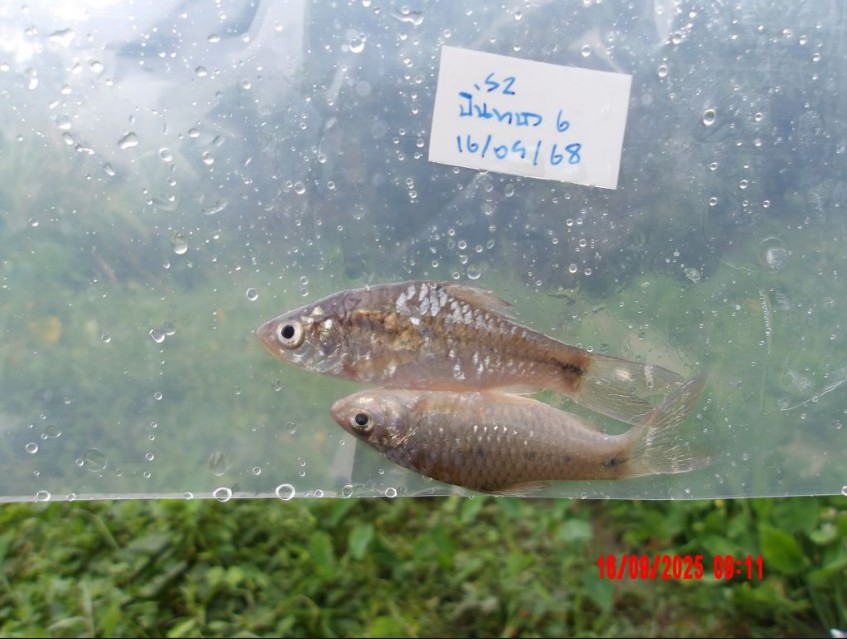
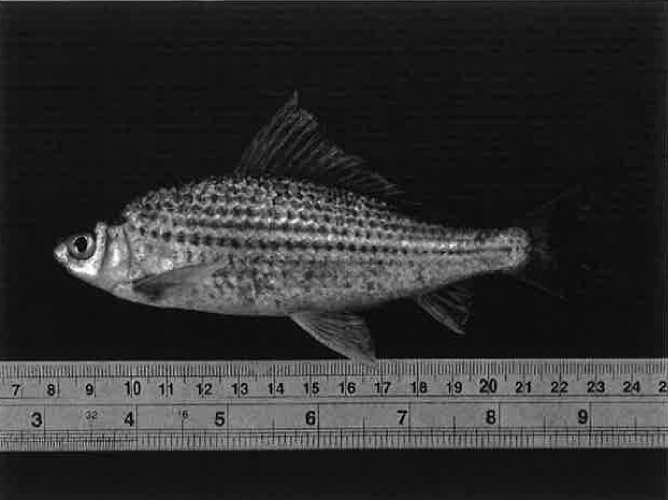
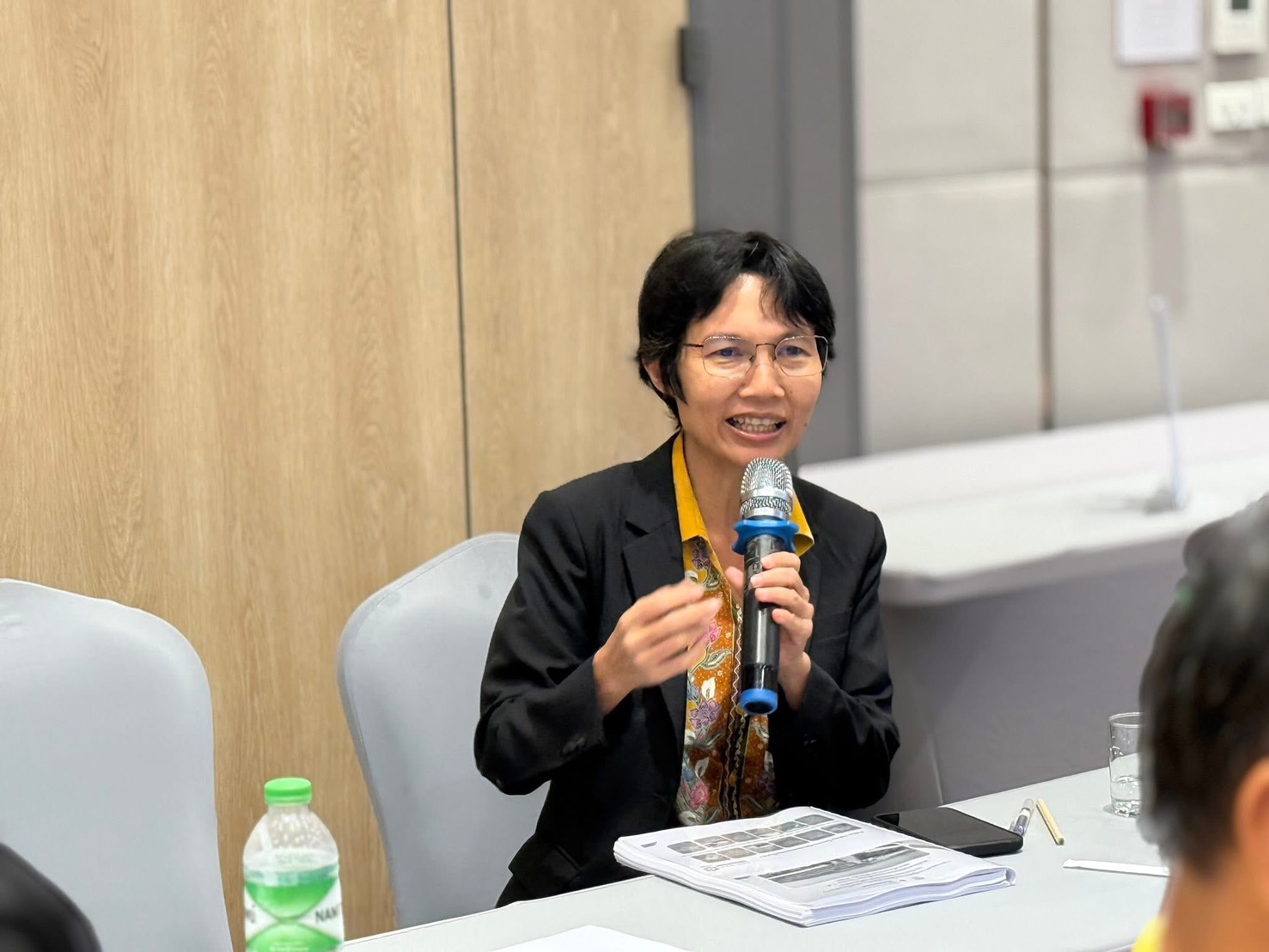
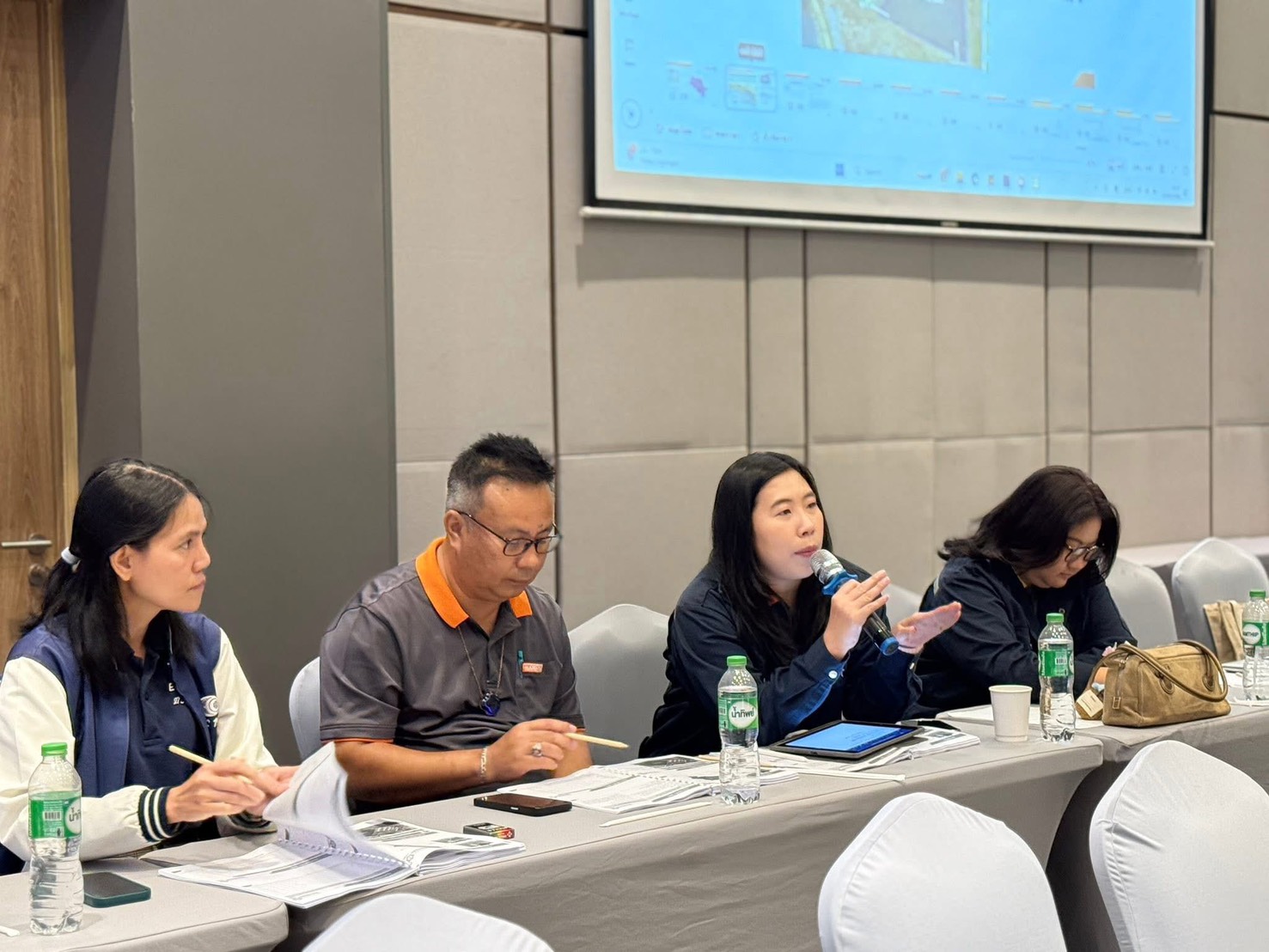
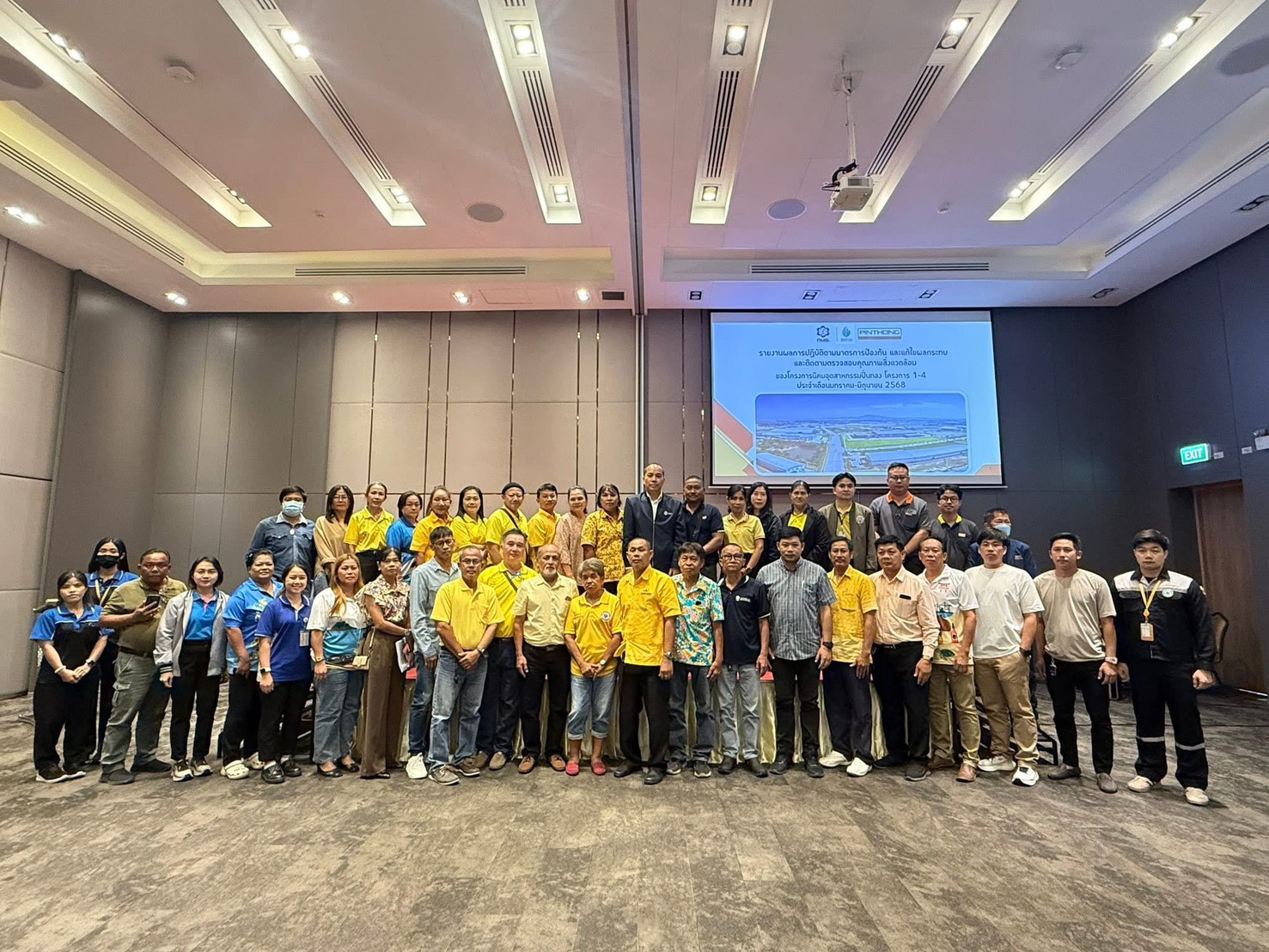
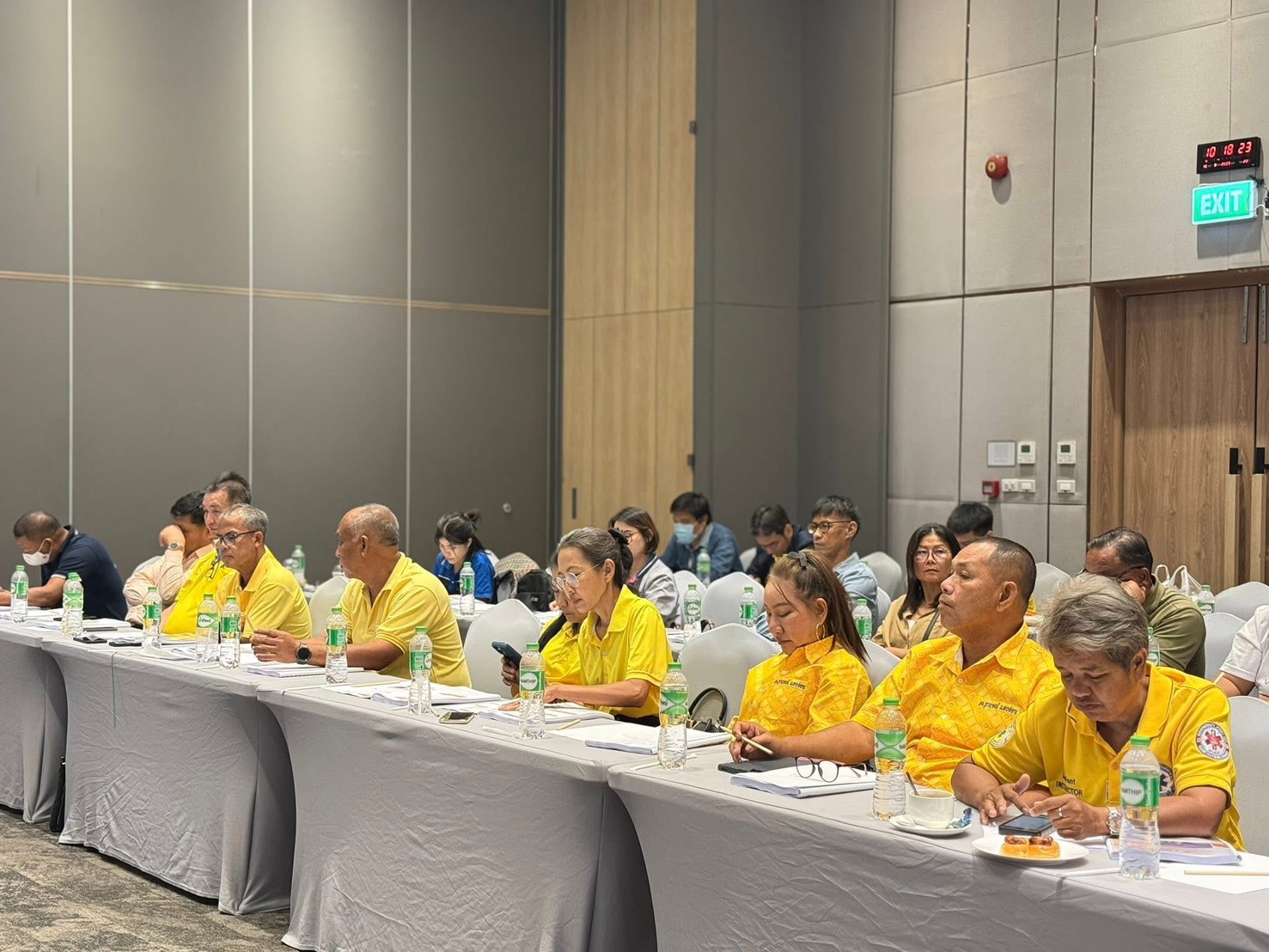
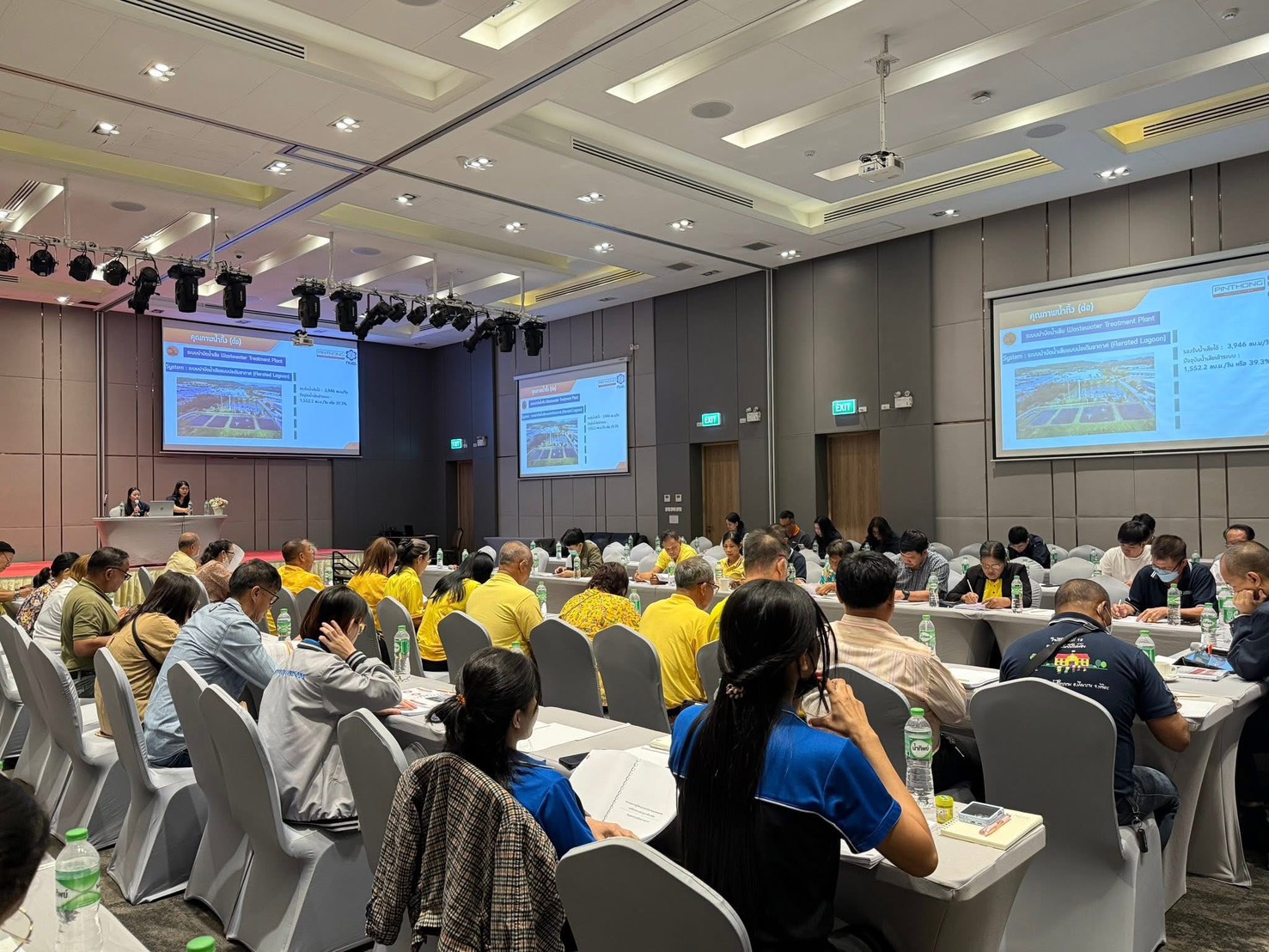
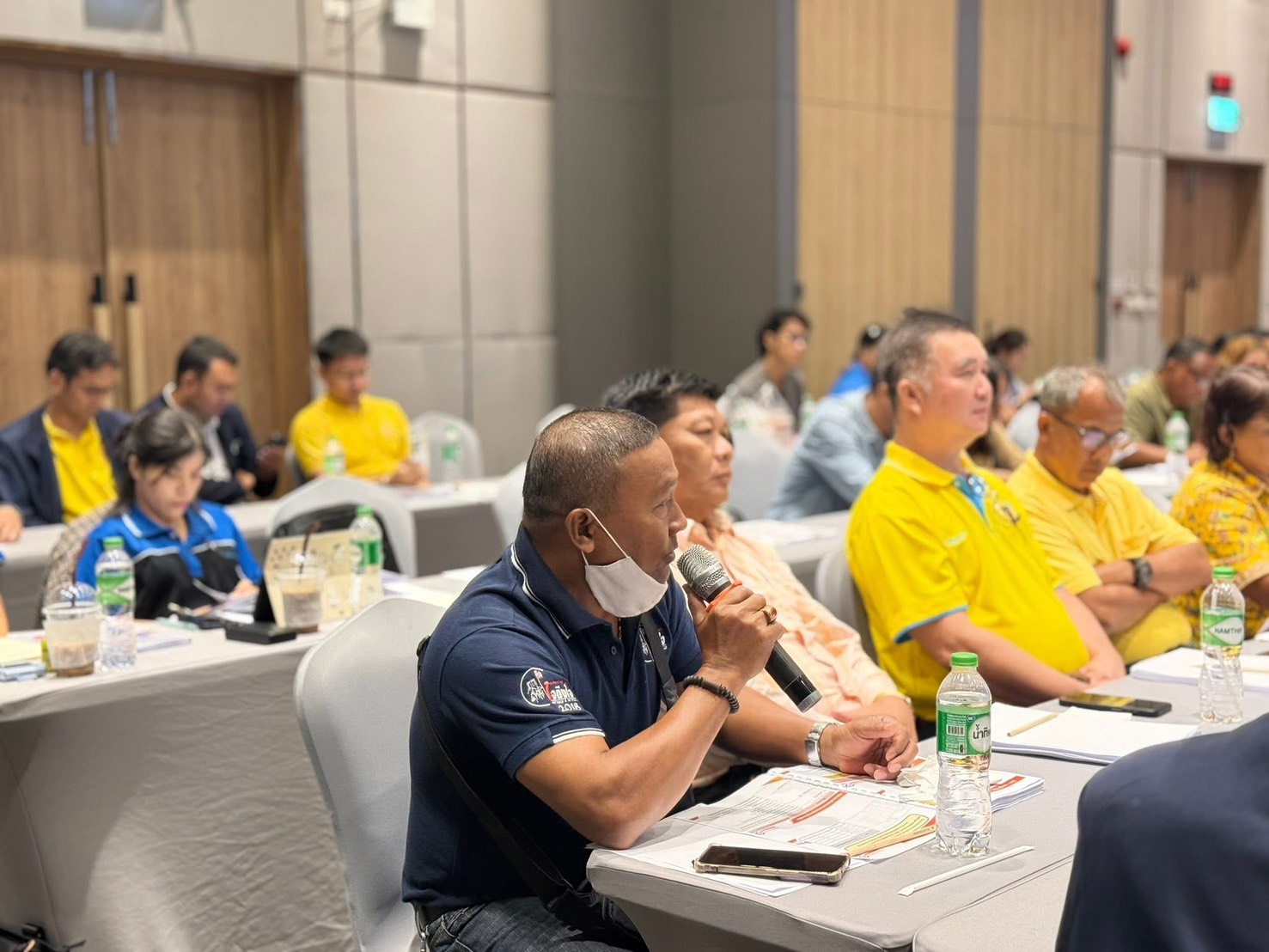
Environmental Impact Monitoring (Aquatic Organisms)
In addition, the Company places importance on listening to environmental opinions and suggestions from communities and business partners, to use the information to improve and develop ecosystem management plans more suitable to local contexts. Stakeholder cooperation is considered a key mechanism for efficient resource use and shared value creation. At the same time, the Company encourages employees and external parties to safely and confidentially report tips, concerns, or actions that may impact ecosystems and biodiversity through various channels, as follows.
| Postal Mail | Company Secretary / Audit Committee Secretary Pinthong Industrial Park Public Company Limited 789 Moo 1, Nong Kho-Laem Chabang Road, Nong Kham, Si Racha, Chonburi 20230 |
| Persons Who Can Receive Reports |
|
| Hotline@pinthongindustrial.com | |
| Online Form | https://investor.pinthongindustrial.com/th/governance/whistleblowing-form |
| Telephone | 038-296334 ext. 202 |
| Whistleblowing Box |
|