Human Capital Management and Development
Recruit, develop, and care for talented people — growing sustainably together with the organization.
Human Capital Management and Development Materiality Level : Medium
"Employees are a critical factor in the efficiency and continuity of industrial estate operations, as they play a direct role in infrastructure management, operator services, and on-site project development. The Company is committed to continuously developing its workforce to ensure employees have the knowledge, skills, and capabilities required for effective performance, enabling them to adapt to business changes and enhance service quality. Proper employee care also contributes to organizational commitment, talent retention, and stakeholder confidence — all of which support long-term business growth."


Goals and Performance Results
| KPI | Long-term Target 2030 |
2025 Target |
2025 Results |
|---|---|---|---|
| Training completion rate according to annual plan | Not less than 70% | Not less than 60% | 69.23% |
| Average training hours per person per year | Not less than 20 hours | Not less than 10 hours | 17.20 hours |
| Voluntary employee turnover rate | Not more than 5% | Not more than 5% | 0.55% |
| Employee engagement score | Not less than 90% | Not less than 80% | 86.06% |
Risks and Opportunities
Ineffective employee care, retention, and development, or the lack of clear systems, may create operational risks for the industrial estate in terms of service efficiency to operators, infrastructure management, and the area's competitiveness. If employees do not receive appropriate skills development and support, work efficiency may decline, resulting in the loss of capable personnel and increased costs from employee turnover, which may affect the confidence of operators and stakeholders.
At the same time, continuous employee development creates opportunities for the Company to build a workforce with skills aligned to industry direction and the needs of operators in the area, supporting service upgrades, the adoption of new technologies or work systems, and the development of increasingly complex projects — key factors in enhancing the value of the industrial estate and advancing the organization's future goals.
Strategy and Management
The Company recognizes that employees are the driving force enabling the organization to operate efficiently and create value for all stakeholders. The Company has therefore established the Human Rights and Labour Practice Policy and the Policy and Guidelines for the Development of Directors, Executives, and Employees as a framework for fair human resource management and to support employee capability development aligned with career growth needs and requirements. These operations adhere to principles under Thai labour laws and related legislation, including the Labour Protection Act (No. 9) B.E. 2568, the Occupational Safety, Health, and Environment Act B.E. 2554, and related laws, regulations, and rules, which focus on protecting labour rights, treating employees fairly, and providing a safe and appropriate working environment.
The Company manages human resources on the principles of equality, equal opportunity, and non-discrimination, considering employment, appointment, transfer, promotion, development, compensation, and termination primarily based on knowledge, capabilities, qualifications, and performance. The Company also promotes continuous capability development for directors, executives, and employees through training and skills development aligned with their roles, while striving to create a safe and appropriate working environment in accordance with occupational health and safety principles, respecting human dignity, and providing opportunities for employees to express their opinions. In addition, the Company provides a fair, transparent, and confidential complaint mechanism so that employees can report concerns or issues relating to human rights and labour with confidence.


Structure and Governance
The Company has designated responsible units for human resource management and development to oversee operations in line with established policies, as well as to manage the capability development of directors, executives, and employees in alignment with their roles, as follows:
| Responsible Unit | Roles and Responsibilities |
|---|---|
| Nomination and Remuneration Committee | Define criteria and processes for recruiting directors and senior executives, consider Succession Plans, competencies, and appropriate experience, propose for Board approval to ensure executive readiness at each level, and approve Succession Plans. |
| Chief Executive Officer | Define HR policies and strategies aligned with organizational goals and direction, promote Workforce Planning to support business growth, and support Organization Development and Transformation. |
| Chief Business Development Officer | Oversee business development personnel in alignment with organizational goals and direction, manage all human resources, develop employee capabilities for sustained organizational success, establish competitive compensation and benefits structures, manage quality of life and promote workforce health, employee engagement, and performance motivation, and ensure HR operations comply strictly with laws and professional ethics. |
| Human Resources Department |
|
Strategy and Management
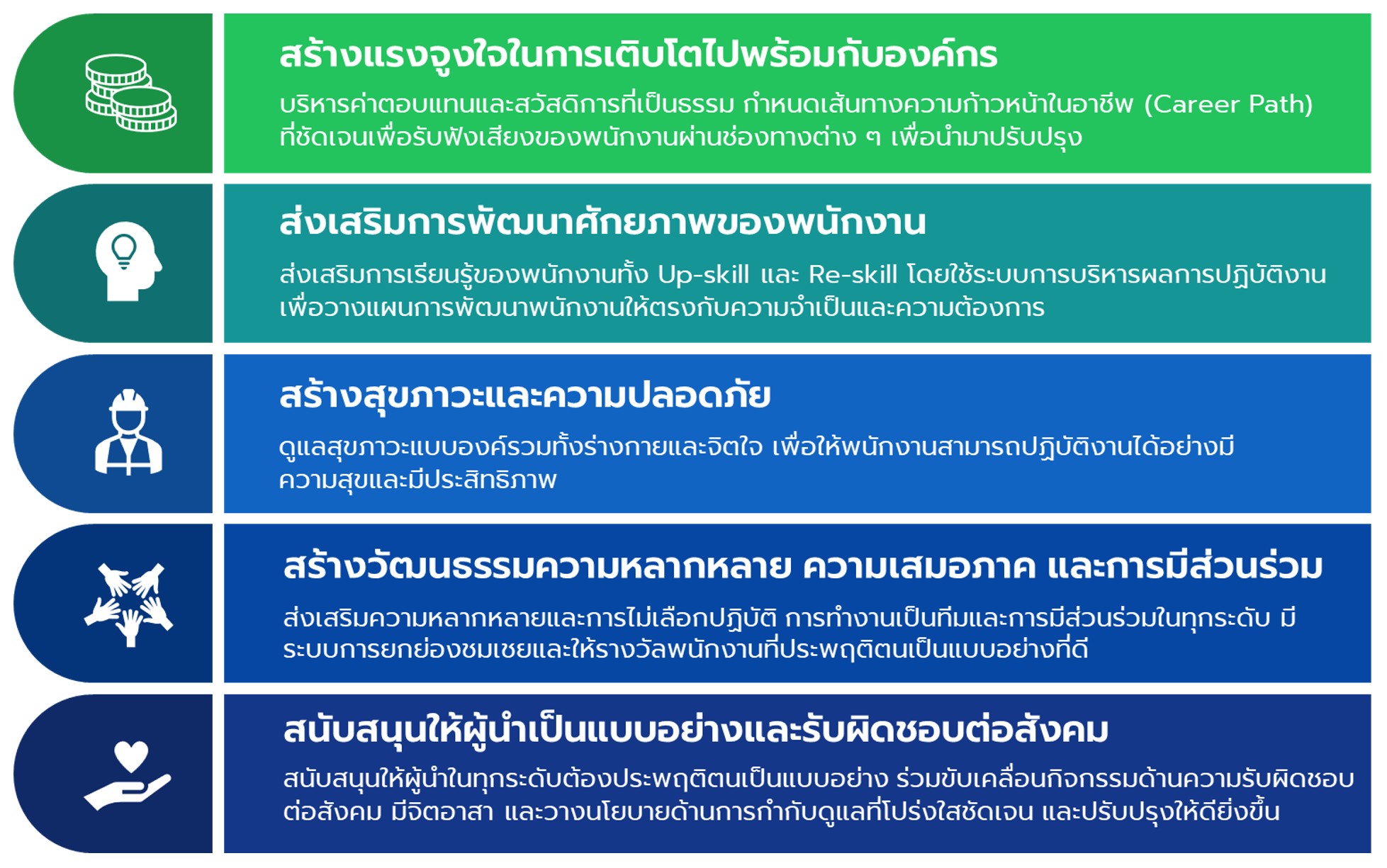
The Company has a holistic strategy and operational approach for retaining and attracting talented employees through to building organizational culture, as follows:
Good Labour Practices (GLP)
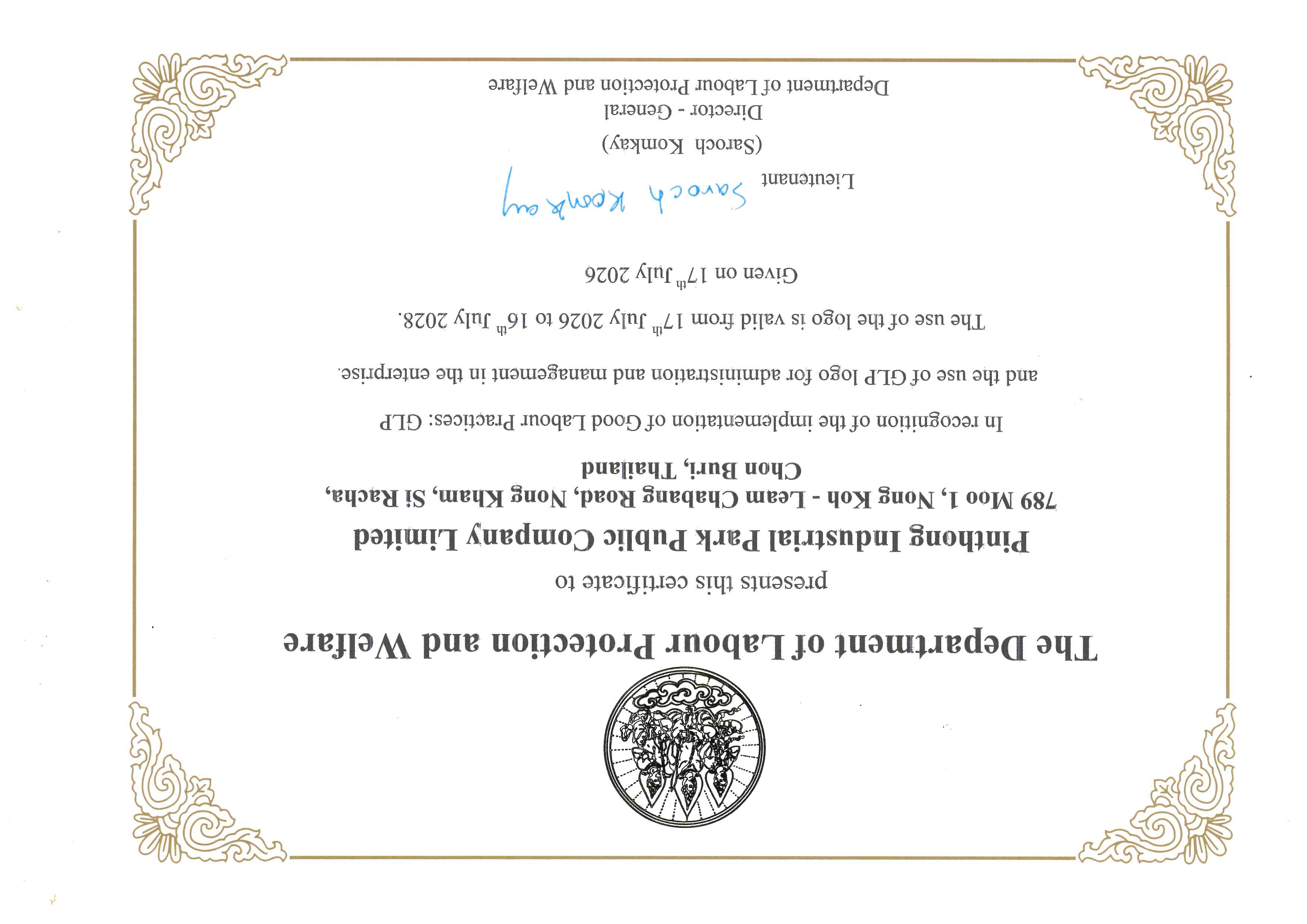
The Company has received a certificate of recognition from the Department of Labour Protection and Welfare, confirming that it has adopted Good Labour Practices (GLP) and the GLP mark in its business management. The Company has been granted the right to use the GLP mark from 17 July 2026 to 16 July 2028.
GLP is a framework that encourages businesses to treat workers fairly, respect labor rights, and appropriately improve terms of employment and working conditions. It covers 13 key issues as follows:

| Key Issues | Practices |
|---|---|
| 1. Child Labor Preventing unlawful child labor |
The Company has no policy of employing child labor and places importance on preventing unlawful child labor. Applicants’ age information and supporting documents are verified before employment, and children are not engaged in work that may affect their health, safety or education. For students undertaking internships, the Company assigns a scope of work appropriate to their age and learning objectives, with supervisors providing guidance throughout the internship, so that it becomes an opportunity to learn from real experience, with the rights and safety of interns as the priority. |
| 2. Forced Labor Promoting voluntary work, free from coercion or threats |
The Company upholds the principle of voluntary work by clearly communicating duties, terms of employment, compensation and working hours to employees before they start work. Employees keep their own identity documents and are not required to pay a deposit in exchange for employment. The Company does not tolerate threats, confinement or forced overtime, and provides channels for employees to raise concerns about working conditions so that issues can be investigated and resolved appropriately. |
| 3. Recruitment Appropriate and fair recruitment and hiring processes |
The Company recruits and selects personnel based on qualifications, skills and suitability for the role, with clearly defined job descriptions and selection criteria, so that applicants receive sufficient information before deciding to join. During the application and interview process, the Company is committed to treating all applicants equally, charges no application fees, and accurately communicates the terms of employment, compensation and benefits, so that the decision to join is voluntary and fully informed. |
| 4. Employment Agreements and Contracts Clearly defining terms of employment and communicating them so that employees understand |
The Company clearly defines employment agreements and terms, covering job duties, wages, working hours, holidays and related benefits, and communicates them to employees before they begin work. If the terms of employment change, the Company informs employees of the details appropriately and gives them the opportunity to ask questions, so that both parties share the same understanding and comply with the agreement fairly. |
| 5. Non-Discrimination Providing equal opportunities and equal treatment for workers |
The Company is committed to treating employees and job applicants equally. Decisions on hiring, work assignments, skills development and career advancement are based on qualifications, capabilities and job-related performance. The Company does not tolerate discrimination on the grounds of gender, age, race, religion, disability or any other differences unrelated to work, and fosters an environment in which everyone is respected and has the opportunity to reach their full potential. |
| 6. Wage Payment Paying compensation correctly and in line with the terms of employment The Company clearly defines wages and payment cycles in accordance with the terms of employment, and verifies |
The Company clearly defines wages and payment cycles in accordance with the terms of employment, and verifies working-time data before calculating compensation, so that employees are paid correctly and on time. Wages must be no lower than the rates prescribed by law. Beyond legal compliance, the Company places importance on setting compensation appropriate to employees’ duties, responsibilities and skills, taking into account the cost of living and changing economic conditions, with the aim of providing employees with an income that supports their livelihood and a good quality of life. For overtime or holiday work, the Company calculates and pays compensation in accordance with employees’ entitlements, and provides details of payments and deductions for verification. Employees may raise questions and request a review of their information, ensuring that wage payment is transparent and fair. |
| 7. Severance Pay Safeguarding severance pay entitlements in accordance with applicable criteria |
The Company places importance on employees’ rights upon termination of employment by fairly reviewing the grounds for termination, length of service and wage information in order to determine entitlements and calculate severance pay in accordance with applicable criteria. Where an employee is entitled to severance pay, the Company informs them of the calculation details and makes payment on schedule, while giving the employee the opportunity to ask questions or request a review of the information, so that the process is accurate, transparent and fair. |
| 8. Registers and Records Keeping employment and working records systematically |
The Company systematically keeps records related to employment and employees’ work, such as employee information, employment agreements, working hours, leave and wage payments, and reviews and updates this information for accuracy to support management and the protection of employee rights. This is done through software from a human resource management system provider (HR Software) and reliable security solutions that meet international standards. The Company limits access to information to those with relevant responsibilities on a need-to-know basis and protects employees’ personal data appropriately. Employees may contact the responsible unit to ask questions or request a review of their employment records, ensuring that labor management is accurate, transparent and verifiable. |
| 9. Working Hours, Rest Periods and Holidays Arranging appropriate working and rest time |
The Company clearly sets working hours, rest periods and holidays for employees, taking into account the nature of the work, health, and work-life balance. Employees receive rest breaks during the day and may take short breaks regularly during work as needed to relieve fatigue. Flexible working hours are also provided, together with weekly holidays, traditional holidays and annual leave in accordance with their entitlements. The Company believes that caring for employees’ quality of life starts with appropriate working hours that allow everyone to work to their full potential while having time to rest and enjoy a balanced personal life. The Company therefore caps working hours, including overtime, at no more than 48 hours per week. Actual working hours averaged 45.26 hours per person per week, reflecting a tangible commitment to managing workloads while caring for employee well-being. Overtime must be voluntary and is considered only when necessary, such as maintaining utility systems to ensure uninterrupted service for customers, or responding to emergencies that require immediate action. At the same time, the Company continuously improves workforce planning and work processes to reduce unnecessary working hours, increase operational efficiency and maintain service quality in the long term. Beyond managing working time, the Company also values a work atmosphere that fosters employee happiness and engagement through ongoing relaxation activities such as Happy Birthday and Happy Workplace, which give colleagues the chance to celebrate birthdays and share good moments together. The Company also provides a large ecological garden around the office building as a green space where employees can rest, relax and connect with nature during the workday. These approaches reflect the Company’s commitment to creating a workplace that values both performance and people, so that employees enjoy good well-being, stay motivated and grow sustainably together with the organization. The Company also monitors working-time data and encourages employees to take their entitled breaks and holidays, so that everyone has time to recover and can work safely and efficiently in the long term. |
| 10. Freedom of Association and Collective Bargaining Respecting workers’ rights to organize and express their opinions |
The Company respects employees’ rights to organize, elect representatives and express opinions on terms of employment and working conditions within the legal framework, and encourages employees to put forward ideas and consult with management openly and fairly. The Company supports the election of the Welfare Committee in the workplace, so that representatives chosen by employees can listen to and present the needs of their colleagues, and consult with employer representatives on developing welfare benefits beyond legal requirements in line with employees’ needs and the organization’s working conditions. In 2026, the Company held an election for a new Welfare Committee to replace the previous committee whose term had ended, and announced the appointment of 5 committee members on 30 April 2026, with a term of office from 2 May 2026 to 1 May 2028. This reflects the opportunity given to employees to take part in proposing ways to improve quality of life in the workplace. |
| 11. Dispute Resolution and Termination of Employment Fair processes for handling conflicts and termination of employment |
The Company places importance on resolving workplace conflicts impartially by hearing the facts from all parties and giving the employees concerned sufficient opportunity to explain, respond and present supporting evidence before any consideration or action is taken, with reasonable time to prepare their information, so that decisions are fair and based on complete facts. The Company seeks to resolve conflicts through dialogue while respecting the dignity and privacy of those involved. If an employee has questions about the outcome, the Company provides the opportunity to ask questions and request a review through the relevant channels. If termination of employment is necessary, the Company considers the reasons and follows the relevant procedures, informs the employee clearly, and verifies the employee’s entitlements, such as outstanding wages and severance pay where applicable, to ensure that the termination is accurate, transparent and fair. |
| 12. Occupational Health and Safety Maintaining the working environment and reducing health and safety risks |
The Company places importance on the health and safety of employees, contractors and others working on its premises by identifying hazards, assessing risks and setting control measures appropriate to the nature of the work, while promoting safety knowledge and emergency preparedness. The Company maintains an office environment conducive to work, allocating an average of approximately 25 square meters of office space per employee to provide adequate space for work, circulation and use of common areas. This supports a comfortable working environment that enhances employees’ quality of life and gives them appropriate space to use. Work areas and restrooms are cleaned regularly, as a clean and orderly workplace plays an important role in employees’ hygiene and well-being. In addition, the area around the office building features a large green garden and ecosystem of approximately 1,650 square meters and a garden-side running track more than 3 kilometers long for employees to walk, run and exercise. These spaces reflect the Company’s intention to care for employees’ health both during working hours and rest time, making the workplace a place where everyone can work safely and enjoy a good quality of life. |
| 13. Accommodation and Welfare Promoting appropriate welfare and living conditions for workers |
The Company places importance on welfare benefits that support employees’ quality of life in terms of health, well-being and financial security. Employees receive all rights and benefits required by law, and the Company develops additional benefits suited to the needs and working conditions of the organization. In terms of well-being, the Company maintains the cleanliness of work areas, restrooms and common areas, and provides a garden and exercise route around the office so that employees have space to rest and look after their health in daily life. In terms of financial security, the Company supports savings through a provident fund and a savings cooperative to help employees plan their finances for the future, alongside promoting financial literacy, including income and expense management, saving, and appropriate spending plans. The Company aims to prepare employees to handle expenses at each stage of life and to build security for themselves and their families. Employees are also given the opportunity to share their views on welfare through the Welfare Committee in the workplace, so that their needs can be discussed and approaches to improving quality of life can be developed continuously together with management. |
The Company believes that sustainable business begins with respecting the value and dignity of every worker. Adopting Good Labour Practices (GLP) reflects the Company’s commitment to fair employment — from providing access to job opportunities, managing compensation and working hours, and listening to employees’ voices, to providing a safe and health-promoting working environment. The Company is committed to developing welfare benefits, supporting savings and financial literacy, and creating space for employees to take part in improving the quality of life for themselves and their colleagues, so that everyone can work with confidence and security and grow together with the organization in the long term.
Recruitment and Employment
The Company places importance on recruiting and hiring quality personnel to support business operations and accommodate organizational growth. Workforce planning is aligned with business strategies and operational plans through manpower needs analysis, identification of skills required for operations, preparation for key future positions, and the development of succession plans to ensure the Company has appropriate personnel for operations at all times.
In conducting the recruitment process, the Company places importance on fairness, transparency, and non-discrimination, providing equal access to the application process for all candidates. Selection is based primarily on knowledge, capabilities, experience, and potential. The Company uses diverse recruitment channels to reach qualified candidates, including internal recruitment to promote career advancement and external recruitment through various channels such as JobThai and JobDB websites, while also providing opportunities for new graduates, persons with disabilities, or local workers as appropriate to the position.
In 2025, the Company conducted recruitment to accommodate organizational restructuring and changes in operational plans, successfully recruiting 9 personnel to cover planned open positions. The Company has also established KPIs to evaluate the efficiency of the recruitment and hiring process and to monitor performance results, as follows:
- Recruitment success rate for filling all open positions: not less than 100%
- Voluntary turnover rate: not more than 5% per month
- Recruitment timeline: not exceeding 60 days, to ensure the Company can recruit quality personnel that meet organizational needs.
Post-Retirement Employment
Post-retirement employment is an approach to leveraging the knowledge, experience, and expertise of capable personnel to support organizational operations, taking into account the necessity of the position, competencies, experience and past performance, health, readiness to work, employee willingness, and appropriate compensation.
Employment formats include annual contracts, fixed-term contracts, and employment as consultants or specialized experts, with flexible working arrangements as appropriate to the role. The process includes assessing position necessity and seeking management approval, evaluating pre-retirement employee performance and potential, defining scope of work, duration, compensation and benefits, and executing employment contracts under specified conditions, based on the principles of fairness and non-discrimination by age, gender, or personal status.
In 2025, the Company retained 1 post-retirement employee in the position of consultant for land development planning and supervision to support the Company's operations.
Employee Care and Retention
Compensation Management
Compensation and benefits management is an important tool for motivating employees, maintaining their quality of life, and retaining talented personnel within the organization. The Company regularly monitors and analyzes employee compensation to ensure it is appropriate, aligned with employee performance, and capable of supporting personnel development effectively.
Executive Compensation
The Company establishes guidelines, criteria, and performance evaluation processes for executives, linking them to strategic direction, the Company's operational results, and relevant ESG targets. This ensures that compensation reflects performance, role responsibilities, and the drive toward sustainable organizational growth. The compensation of executives at the level of Chief Executive Officer and above is subject to consideration by the Company's Board of Directors.
Employee Compensation
The Company places importance on equitable compensation principles, determining compensation based on roles, responsibilities, and performance without discrimination by gender or other personal factors. Compensation considers individual performance alongside the Company's financial results, economic conditions, and cost-of-living standards. The Company reviews wages annually through a clear performance evaluation process to ensure employees receive compensation adequate for their livelihoods. The Company sets minimum wage rates for employees no lower than the legally required minimum wage and regularly reviews the wage structure to keep it aligned with economic conditions, cost of living, and labor market competitiveness.
| Employee Compensation Ratio (Female : Male) 2025 | |
|---|---|
| All Employees | 1 : 1.34 |
| Management Group | 1 : 1.44 |
| Operational Employees | 1 : 0.99 |
Rights and Benefits
The Company provides legally mandated benefits to protect labor rights and support the well-being of personnel, including social security, legally required leave and holidays, maternity leave, paternity leave to assist a spouse who has given birth, and the provision of workplace safety, occupational health, and working environment conditions as required by labor law.
In addition, the Company provides supplementary benefits beyond legal requirements, determined according to position level and employment conditions, including life and accident insurance, health insurance under different coverage plans by position level, as well as position allowances, meal allowances, housing allowances, travel allowances, and company vehicles as specified in employment contracts, to support employee well-being and operational performance.
The Company has also updated its work regulations in compliance with the Labor Protection Act (No. 9) B.E. 2568, which came into effect on 7 November 2025, with the following updates to maternity and related leave rights:
- Female employees may take maternity leave of up to 120 days and receive wages during maternity leave of up to 60 days.
- Female employees on maternity leave are entitled to an additional childcare leave of up to 15 days if the child has a health condition at risk of complications, abnormality, or disability, subject to presenting a certified medical certificate. The Company will pay wages during such leave at 50% of the daily wage rate.
- Male employees are entitled to paternity leave of up to 15 days per childbirth to assist their spouse, and will receive wages for up to 15 days.
The Company supports and encourages employees to exercise their right to establish a Welfare Committee in the workplace, acting as employee representatives to present opinions and consult with employer representatives on developing benefits beyond legal requirements, in accordance with employee needs and the working conditions of the organization.
In 2024, the Company held an election for the Welfare Committee in the workplace to replace the outgoing committee, and officially appointed 5 Welfare Committee members on 30 April 2024, with a term of office from 2 May 2024 to 1 May 2026.
Through consultations between employer representatives and the Welfare Committee, the Company has improved and developed additional employee benefits, including a provident fund, group life, health, and accident insurance, funeral assistance funds for employees and their families, get-well and maternity gift baskets, uniforms, professional allowances, and meal allowances, as well as workplace environment improvements such as office renovations, air conditioner installation in the canteen and in front of male–female restrooms, and the installation of RO water dispensers to enhance employee quality of working life.
Employee Performance Evaluation
Performance evaluation is an important mechanism for developing personnel capabilities, motivating employees, and supporting organizational performance toward set targets, based on the principles of fairness and transparency. Evaluation results reflect performance against organizational goals and expectations, and serve as key information for compensation, bonus, and promotion decisions, as well as for defining appropriate skill and capability development pathways for each role.
The Company conducts performance evaluations through the IT Care system, with supervisors serving as evaluators. Upon completion of the evaluation, the system automatically sends results to employees so they can review the details and acknowledge the evaluation results within the system.
The Company establishes clear and fair consideration criteria, covering annual bonus and wage adjustment reviews. These decisions rely on performance evaluation results as key data to reflect performance, accountability, and contribution to organizational success.
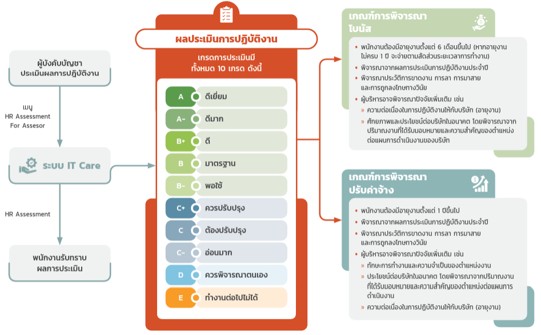
In 2025, 100% of all employees received a performance evaluation, covering employees of all genders and position levels.
Employee Capability Development
The Company is committed to promoting employee skill and capability development so that personnel can perform their duties efficiently and in alignment with the organization's business direction. A systematic human resource development process has been established to ensure that employee skill development has a clear direction, is linked to organizational growth, and supports personnel in developing themselves appropriately according to their potential and role responsibilities. Key operational approaches are as follows:
Competency Identification
The Company defines a competency framework required for operations to guide the development and enhancement of employee capabilities appropriate to each position's role and responsibilities, covering three key competency areas:
- Core Competencies Core skills that all employees must possess, such as teamwork, work ethics, and accountability.
- Functional Competencies Role-specific skills related to each functional area, such as sales, finance, and information technology.
- Leadership Competencies Leadership and management skills to prepare employees for advancement into positions with greater responsibilities in the future.
Career Path Development
The Company has established career paths to enable employees to clearly see their growth trajectory within the organization, covering both specialist and management tracks. Short-, medium-, and long-term target positions are defined along with the skills, experience, and performance required to advance to each level, enabling employees to plan their own development appropriately.
Individual Development Plan (IDP)
The Company prepares individual development plans to promote employee capability development appropriate to each position and individual ability, implemented through a variety of development activities, including:
- Attending training sessions or skill development courses relevant to job performance.
- Coaching and guidance from supervisors.
- Assignment of special tasks or projects that help build work experience.
Group Development Program
The Company provides capability development programs for specific employee groups, particularly high-potential employees or those preparing for management positions, such as the Leadership Program to strengthen management, decision-making, and future team leadership skills.
Development Monitoring and Assessment
The Company continuously monitors and evaluates employee skill development by assessing competency levels before and after development to measure outcomes and use the data to improve development approaches. Key indicators used in assessment include:
- Level of skills and competencies developed.
- Improvement in job performance.
- Employee readiness for promotion or taking on more complex responsibilities.
In 2025, the Company implemented employee capability development through a total of 40 training courses, comprising 7 Soft Skills courses and 33 Technical Skills courses, to strengthen leadership, communication, and collaboration skills alongside specialized knowledge and skills aligned with professional standards, laws, and relevant requirements. These efforts help enhance operational performance, reduce operational risks, and promote management transparency. The courses are as follows:
| Soft Skills Courses (7 Courses) | |
|---|---|
| ■ Leadership Skills Development | |
| ■ HR Trend 2025 and AI Application in Human Resource Management | |
| ■ Improving Work Efficiency with the HO REN SO Technique | |
| ■ New-Generation Executive Assistant / Secretary: Digital 5.0 | |
| ■ Real-World Business Ethics (Ethics in Action) | |
| ■ Lessons from Fraud Cases: Prevention and Deterrence to Protect the Organization | |
| ■ Risk Management Mindset for Leaders | |
| Technical Skills Courses (33 Courses) | |
| ■ Internal Audit Procedures | ■ การอ่านแบบโดยอะแกรมไฟฟ้า และการเดินสายตู้ควบคุมตามมาตรฐาน |
| ■ Company Reporting Program (CRP) | ■ Audit Working Paper and Audit Evidence |
| ■ ความปลอดภัยในการทำงานเกี่ยวกับไฟฟ้า สำหรับลูกจ้างที่ปฏิบัติงานเกี่ยวกับไฟฟ้า | ■ กองทุนสงเคราะห์ลูกจ้าง & GLP 2025 |
| ■ การปฐมพยาบาลเบื้องต้น และการช่วยฟื้นคืนชีพขั้นพื้นฐาน (First Aid & CPR) | ■ ระบบควบคุมนิวเมติกไฟฟ้า |
| ■ การเขียนแบบเครื่องกลด้วย AutoCAD 2025 (Basic) | ■ การรายงานข้อมูลสำคัญในงบการเงิน เพื่อนำเสนอผู้บริหาร (Executive Summary) |
| ■ การบริหารสัญญา EP.2 | ■ Interpretation ISO 9001:2015 Requirement |
| ■ เจ้าหน้าที่ความปลอดภัยในการทำงาน ระดับบริหาร | ■ Case Studies บัญหาการบันทึกบัญชี สินทรัพย์ ค่าเสื่อมราคา หนี้สิน และประมาณการหนี้สิน พร้อมแนวทางแก้ไข |
| ■ Audit Sampling for Internal Audit | ■ ผู้ปฏิบัติงานประจำระบบบำบัดมลพิษน้ำ |
| ■ พื้นฐานมอเตอร์และการควบคุม (Basic) | ■ Integrated Audit of The Purchasing System and Payables |
| ■ การควบคุมอินดักชั่นมอเตอร์ 3 เฟสด้วยอินเวอร์เตอร์ | ■ TFRS เกี่ยวกับหนี้สิน (หลักสูตรย่อย 201) |
| ■ การออกแบบวงจรแมคเนติกรีเลย์ควบคุมมอเตอร์ไฟฟ้า | ■ การใช้ PLC (OMRON) ควบคุมระบบนิวเมติก |
| ■ การให้ความเห็นชอบหลักสูตร รายละเอียดเกี่ยวข้องและการจ่ายค่าใช้จ่ายที่ใช้ในการฝึกอบรมภาคทฤษฎี ประกาศคณะกรรมการส่งเสริมการพัฒนาฝีมือแรงงานฉบับใหม่ | ■ การจัดทำงบการเงิน การตรวจสอบและสอบทานบัญชีและการนำเสนองบการเงินให้ผลสอดคล้องตามมาตรฐานการรายงานทางการเงิน |
| ■ TFRS เกี่ยวกับการนำเสนองบการเงิน (TAS 10, 24, 33 and TFRIC 17) | ■ กฎหมายแรงงาน และกฎหมายคุ้มครองข้อมูลส่วนบุคคล |
| ■ Update TFRS & TAS สำหรับผู้ทำบัญชี 2025 | ■ ภาษี ณ ที่จ่าย และประเด็น Hot e-Withholding Tax การหักภาษี ณ ที่จ่าย 2 ระบบ |
| ■ การใช้สิทธิประโยชน์ทางภาษีเพื่อการส่งเสริมการลงทุน จาก BOI พร้อมการกรอกแบบ ภ.ง.ด.50 และ Transfer Pricing การกำหนดราคาโอน | ■ ก้าวแกร่งเพื่อเปิดเผยข้อมูลด้านความยั่งยืน ตามมาตรฐาน ISSB (IFRS S1 and S2) |
| ■ TFRS 17: สัญญาประกันภัย | ■ ดับเพลิงขั้นต้นและซ้อมอพยพหนีไฟ ประจำปี 2568 |
| ■ ความปลอดภัยในการทำงานเกี่ยวกับไฟฟ้า สำหรับลูกจ้างที่ปฏิบัติงานเกี่ยวกับไฟฟ้า | |
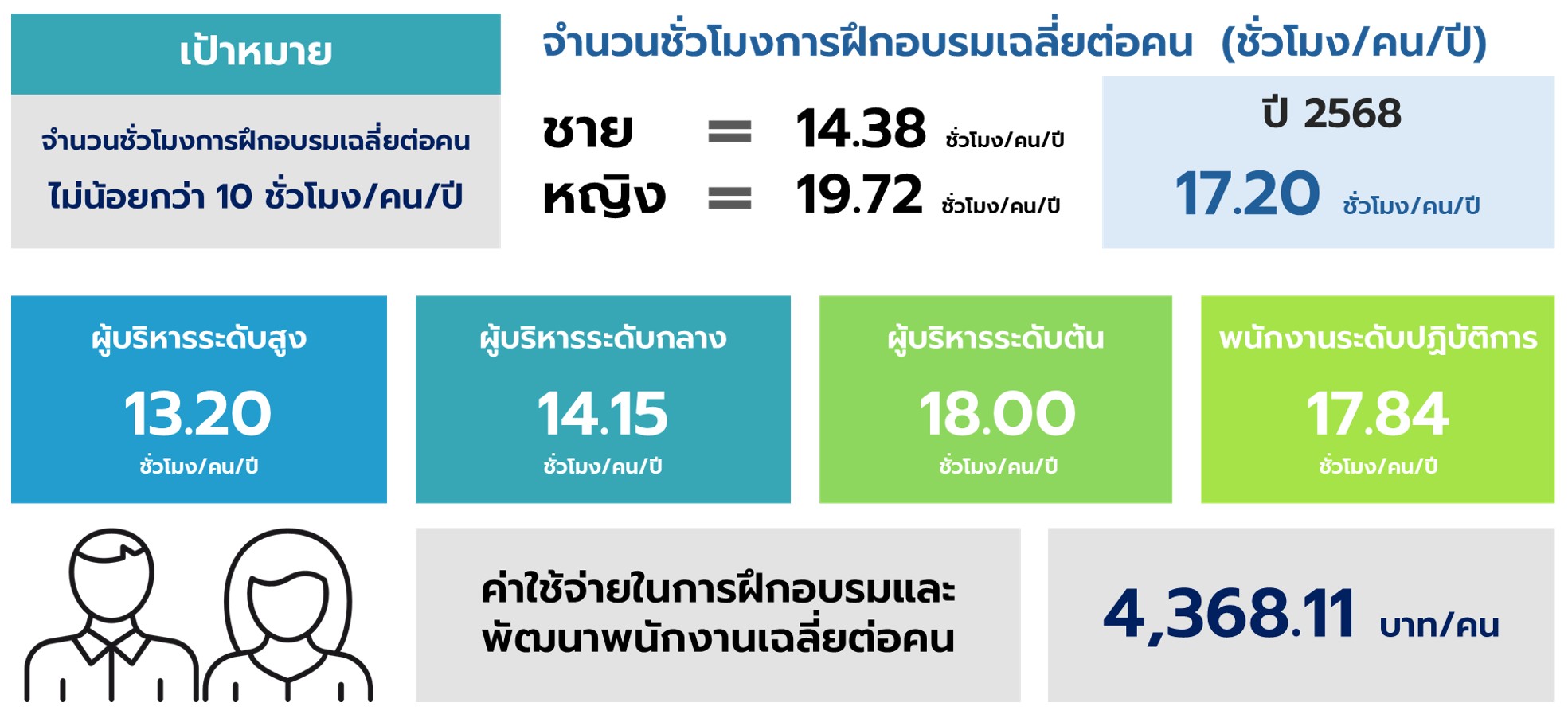
Succession Planning
The Company has established a Succession Planning process to prepare personnel for key organizational positions in the future. A systematic operational process has been defined, covering everything from identifying high-potential candidates and developing necessary skills and experience to monitoring and evaluating personnel readiness. The process consists of 6 key steps as follows:
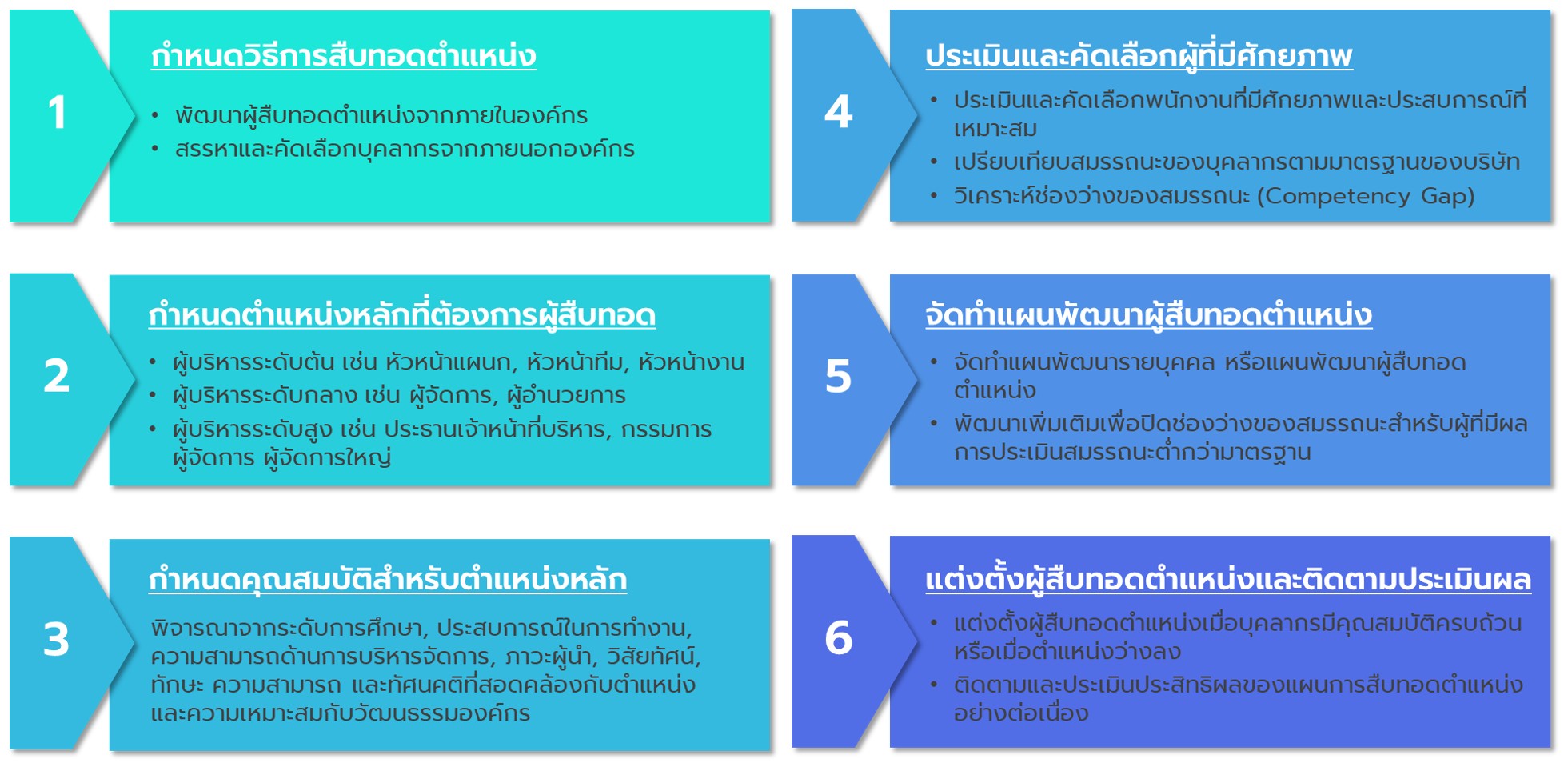
In 2025, the Company had 2 employees developed as position successors at the supervisor and department manager levels. Both employees attended the Leadership Skills Development course to enhance their understanding of individual behavior and people management approaches, enabling them to lead teams toward desired outcomes, as well as to strengthen their understanding of the role of a professional supervisor and to apply acquired knowledge effectively in their work and team management.
Talent Management
The Company has established a Talent Management approach to promote and retain high-performing personnel to grow alongside the organization. "Talent" refers to employees with outstanding performance, skills, capabilities, and qualities, who can be identified from both internal staff and external recruitment. For internal selection, candidates are considered based on High Performance and High Competency, requiring performance and competency evaluation results that meet organizational criteria, with scores at or above organizational expectations, and Core Competency levels that meet the defined threshold.
Following the selection of Talent personnel, the Company will compile their profiles, training records, and performance history to serve as data for development and potential monitoring. The development approach follows the same process as general personnel development, comprising:
- Training Need Survey Training needs survey from departments and individual development needs appropriate to each position.
- On the Job Training Skill development through actual work, with defined competency requirements and evaluation via written tests or practical assessments.
- Off the Job Training Development through external training, specialized programs, or learning through simulations and case studies.
When Talent personnel meet the full criteria for a higher-responsibility position and a suitable opening exists, the Company will propose consideration for grade advancement, promotion, or acting appointment (Promotion & Acting) in accordance with the Company's policies and position structure, subject to approval by the Chief Executive Officer.
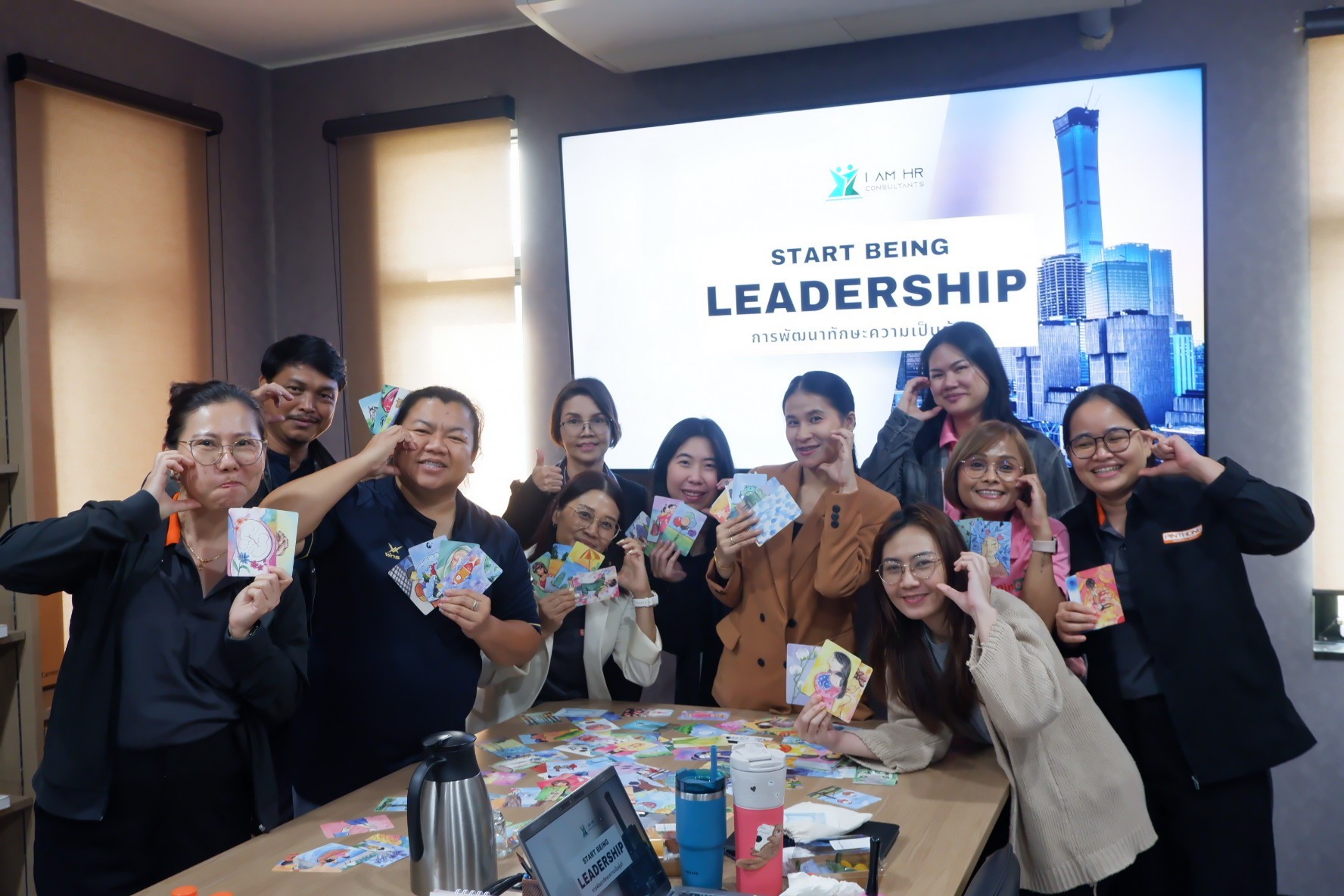
In 2025, the Company conducted the "Leadership Skills Development" training course for 10 executives and supervisors to prepare personnel for advancement into higher roles and to strengthen team management capabilities for driving organizational operations effectively. The course covered key content including the role and importance of a professional supervisor, understanding human behavior and collaboration through the DISC model, team management, work planning and delegation, creative problem-solving, as well as effective communication skills, active listening, feedback delivery, and conflict management to enhance leadership capabilities within the organization.
As a result, 10 employees completed the training, and 2 employees received promotions — to the positions of Legal Department Head and Civil Engineering Department Manager — who are the same individuals selected as position successors in 2025.


Creating Happiness at Work
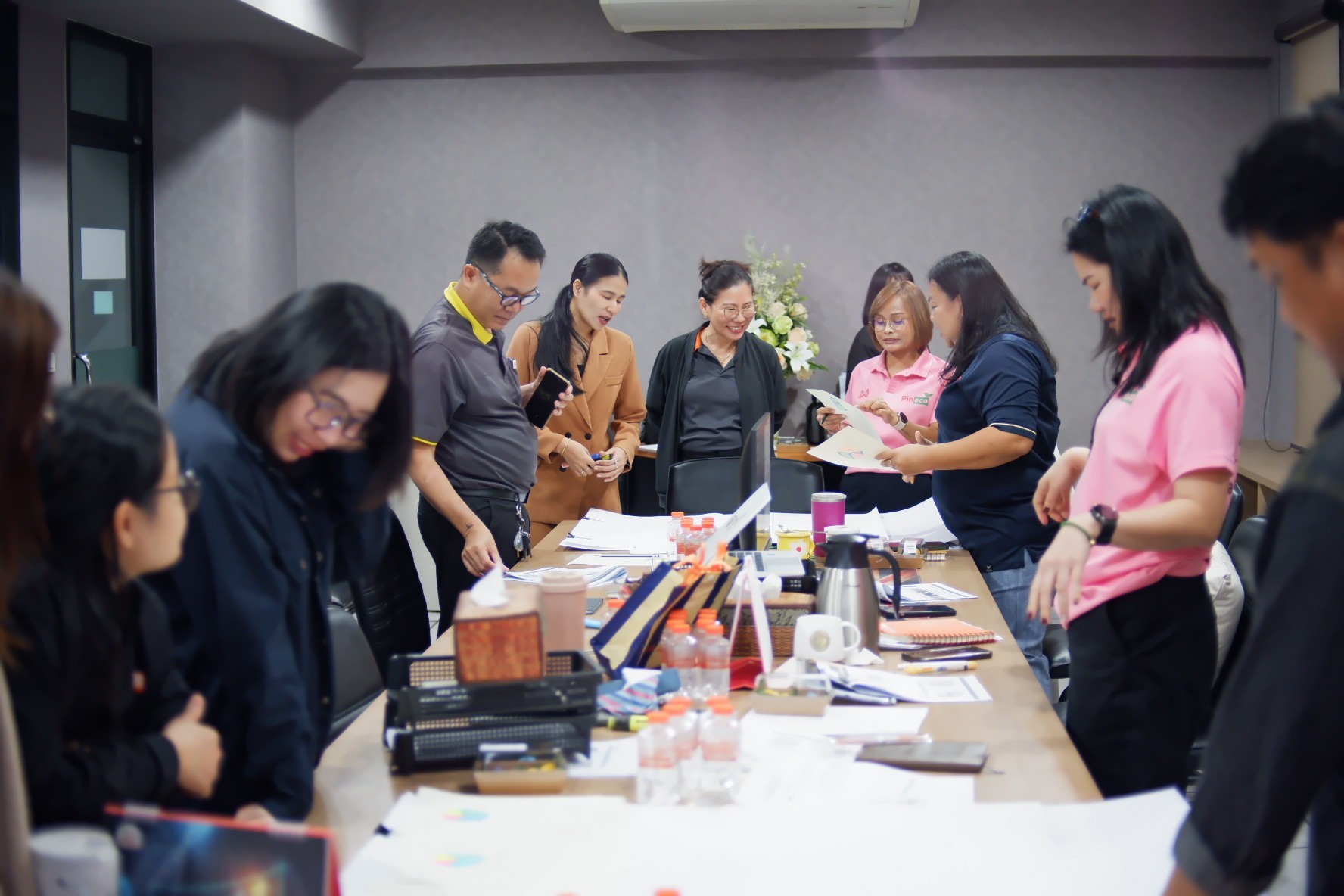
The Company places importance on fostering employee engagement alongside promoting the quality of life and well-being of personnel in all dimensions — physical, mental, emotional, intellectual, financial, family, and social — so that employees can perform their duties efficiently, remain motivated, and take pride in being part of the organization. This approach also aims to support Work–Life Balance and cultivate a sense of social and environmental responsibility, which forms a vital foundation for building a strong organizational culture and long-term employee engagement. The Company has implemented various activities to promote organizational culture and employee participation, as follows:
Happy Body – Good Health, Good Work
The Company promotes the physical well-being of employees through various activities and measures that support comprehensive health care. The working environment has been improved by increasing the workspace per person from 7 square meters to 25.8 square meters per person. Annual health check-ups and basic disease screenings are also provided. Additionally, the Company encourages regular exercise by subsidizing annual fitness membership fees, and promotes healthy eating habits such as reducing the consumption of sweet, fatty, and salty foods, as well as organizing educational activities on health care and disease prevention. These activities help employees maintain good health, raise awareness of self-care, reduce sick leave rates, and improve work performance, ultimately leading to a better quality of life for employees.
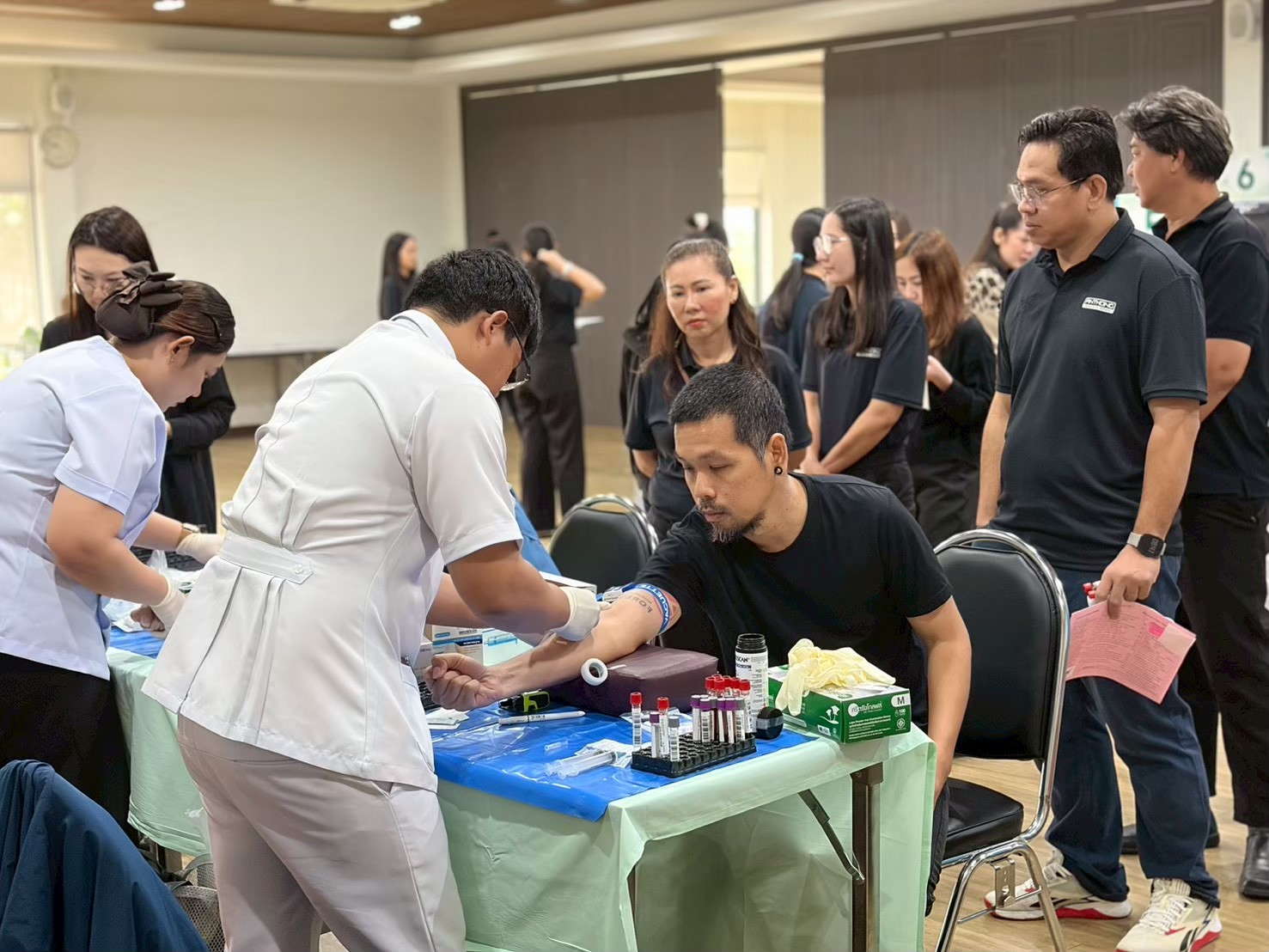
Annual Employee Health Check-up
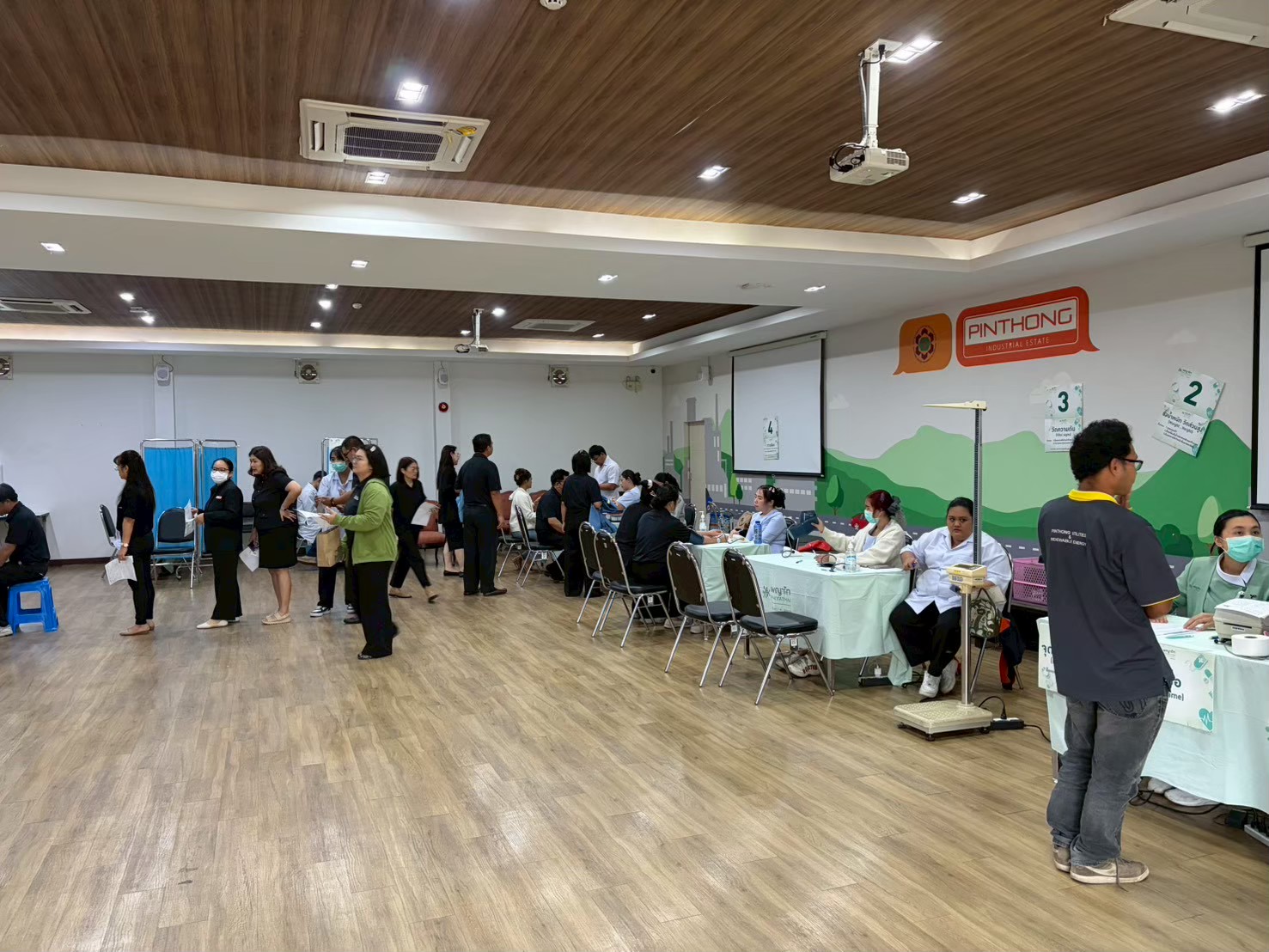
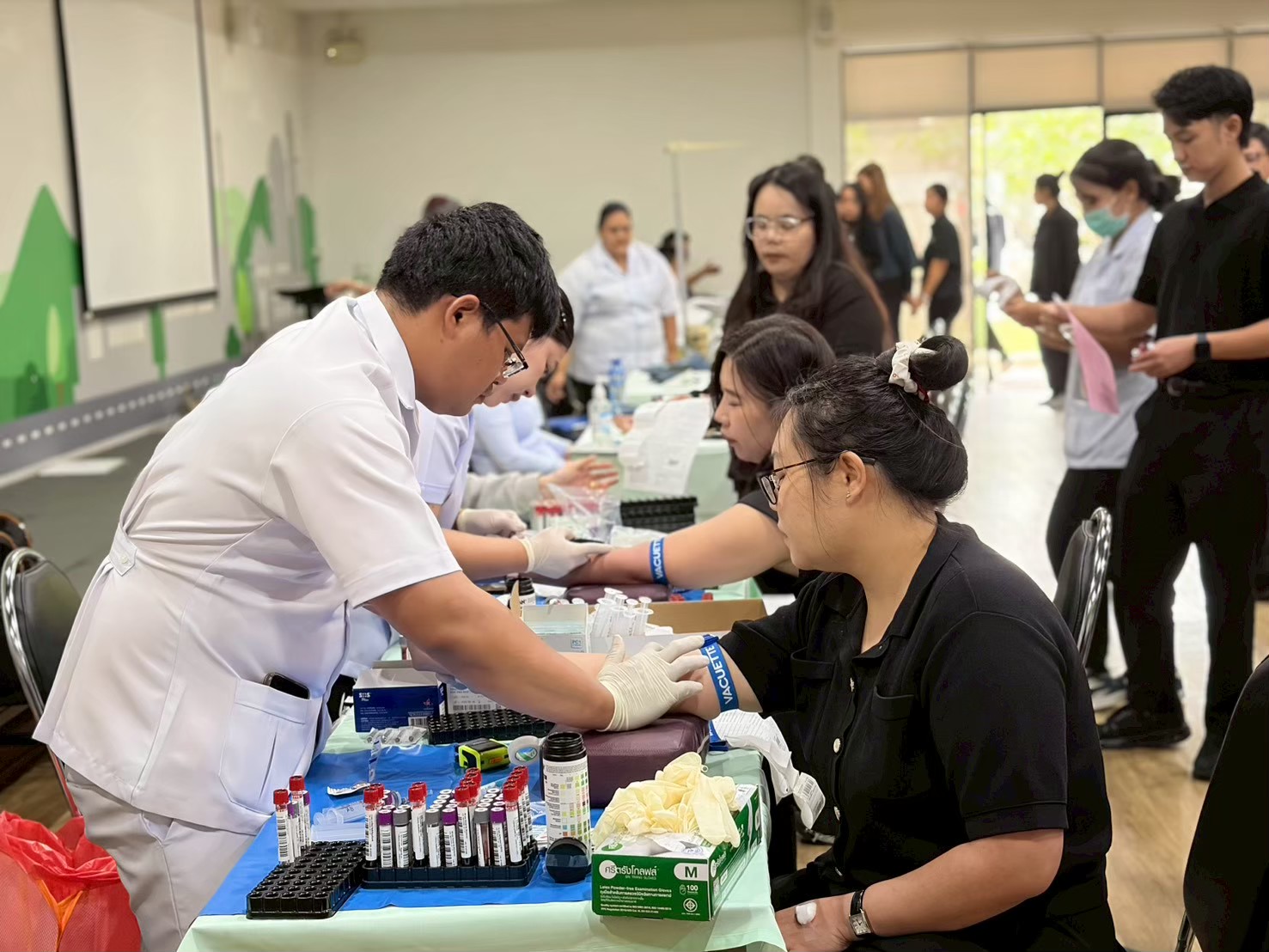
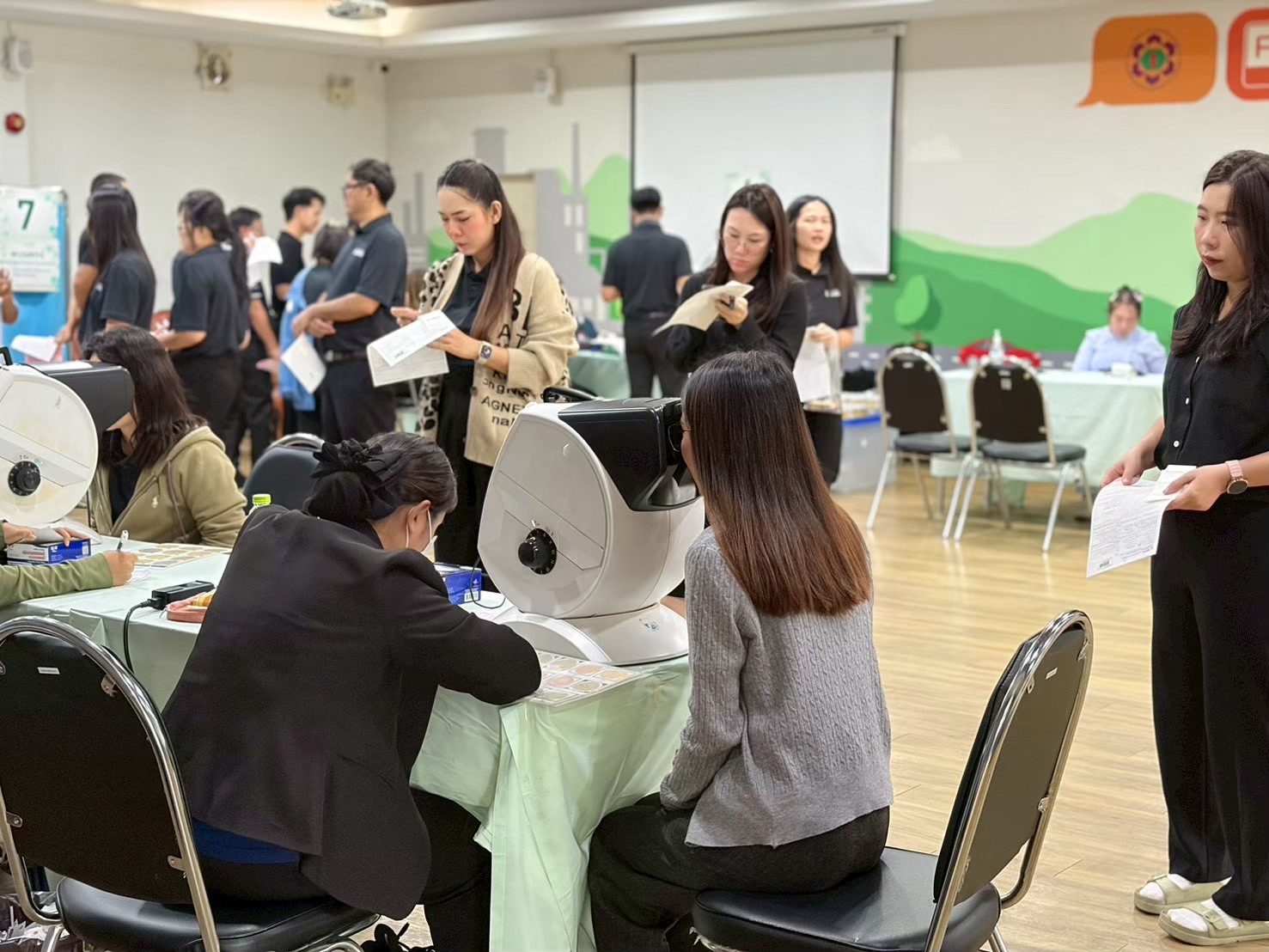
The Company places importance on employee health care, taking into account both the physical and mental health of personnel to enable efficient work performance and a good quality of life. In 2025, the Company organized an annual health check-up for employees on 21 November 2025 at the Pinthong Reception House, Project 2, conducted by a team of doctors and nurses from Phyathai Sriracha Hospital. A total of 84 employees participated, representing 76.36% of all employees. The health check-up program comprised 17 examination items, including general physical examination by a doctor, chest X-ray, complete blood count, urinalysis, blood sugar and lipid levels, liver and kidney function, blood uric acid levels, blood pressure, body mass index, and occupational vision screening. If any abnormalities were detected, employees were advised to contact the hospital for further examination or appropriate treatment. The Company uses health check-up data as a guide for promoting employee health care and encouraging behavioral changes toward greater health awareness, in order to improve quality of life and reduce the risk of future illness.
Happy Heart – Generosity and Compassion
The Company promotes values of generosity and sharing through various activities that provide employees with opportunities to contribute to society and help others, such as volunteer and community service activities, support for fellow employees in times of need, maternity visits, blood donation drives, material donations, scholarship contributions, and the cultivation of a helping and empathetic culture within the organization. These activities foster greater awareness of sharing and social responsibility among employees, while also building unity, positive relationships, and a supportive working atmosphere within the organization.
Child Education Scholarship 2025
The Company, through the Pinthong Group Savings Cooperative, awarded educational scholarships to members' children at various academic levels for the 2025 academic year — Set 29, Batch 13. The event was held on 21 February 2025, with a total of 44 scholarships amounting to 59,000 Baht, as follows:
- Primary school level: 1,000 Baht per scholarship, 18 scholarships, totaling 18,000 Baht.
- Lower secondary school level: 1,400 Baht per scholarship, 13 scholarships, totaling 18,200 Baht.
- Upper secondary school / Vocational Certificate level: 1,600 Baht per scholarship, 8 scholarships, totaling 12,800 Baht.
- Higher education / Higher Vocational Certificate level: 2,000 Baht per scholarship, 5 scholarships, totaling 10,000 Baht.
Happy Soul – Calm, Stress-Free, Energized
The Company promotes the mental well-being of employees through activities that help reduce stress and boost morale at work, such as meditation and stress-relief sessions, the promotion of positive attitudes and work inspiration, mental health counseling, and the creation of safe spaces where employees can openly communicate and exchange ideas. These activities help employees achieve better mental well-being, manage work-related stress and pressure appropriately, while also fostering positive attitudes, emotional stability, and motivation at work.
Happy Brain – Continuous Learning and Development
The Company promotes the continuous development of employees' knowledge and capabilities through various learning activities and programs, such as skills training — particularly in Soft Skills — the promotion of Lifelong Learning, internal knowledge-sharing activities, and support for employees to participate in study visits or external training. These approaches help employees build knowledge, skills, and capabilities aligned with their roles and the organization's development direction.
Happy Relax – Creative Rest and Recreation
The Company promotes relaxation and work-life balance for employees through various activities that help create a relaxed and friendly working atmosphere, such as annual Outing or Team Building events, monthly employee birthday celebrations, and the provision of rest areas within the workplace such as forest gardens and green spaces for appropriate rest and relaxation. These activities help employees reduce work-related stress, experience greater happiness at work, while also building relationships, unity, and teamwork within the organization.
Happy Money – Financial Wellness, Stable Life
The Company promotes financial literacy and personal financial management skills among employees through financial planning and savings training, as well as encouraging financial discipline so that employees can appropriately plan and manage their own income and expenses. This approach helps employees develop a better understanding of personal finance, promotes savings behavior and both short- and long-term financial planning, thereby building financial stability and reducing daily life concerns.
Happy Society – Good Society, Active Participation
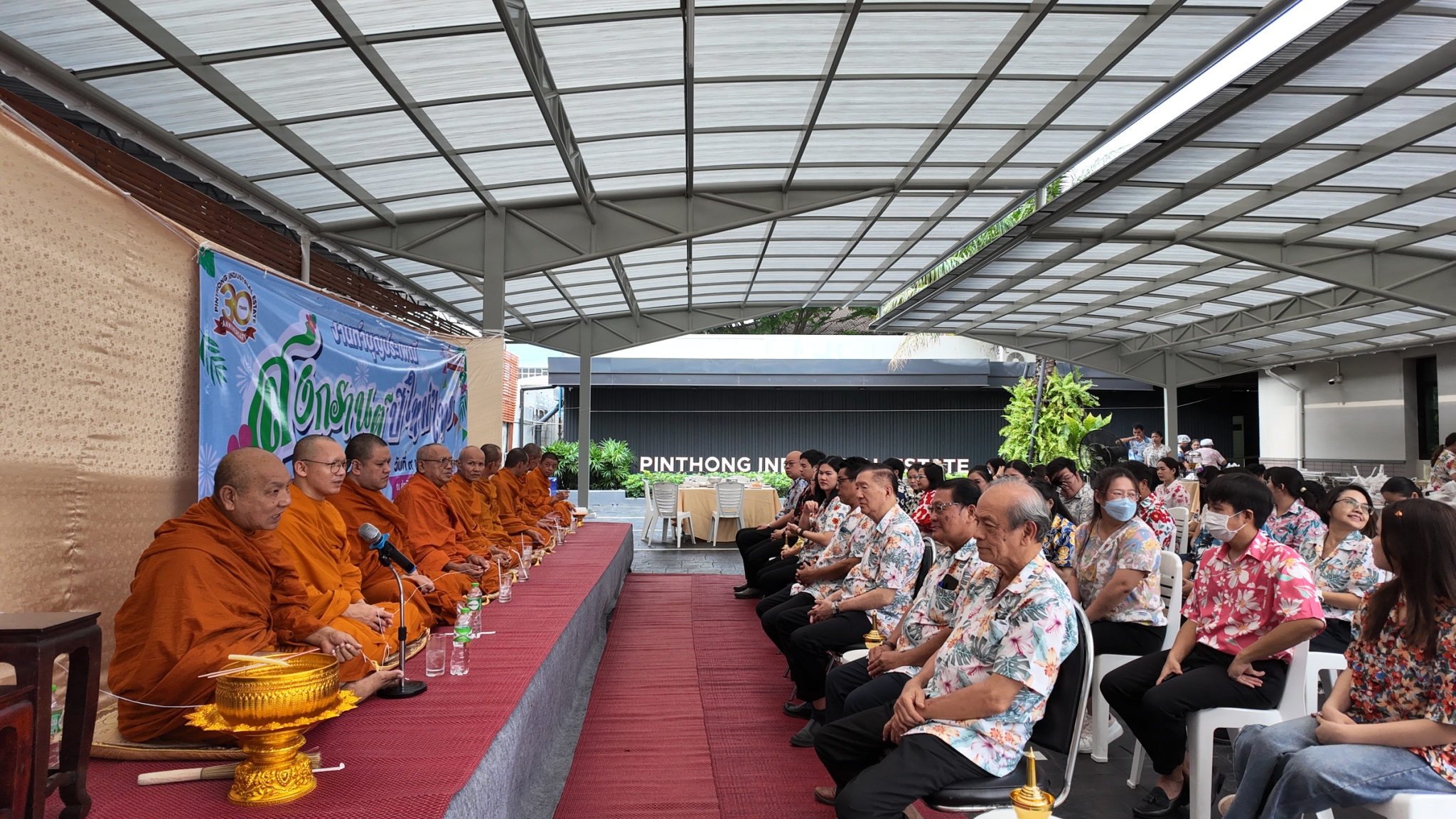
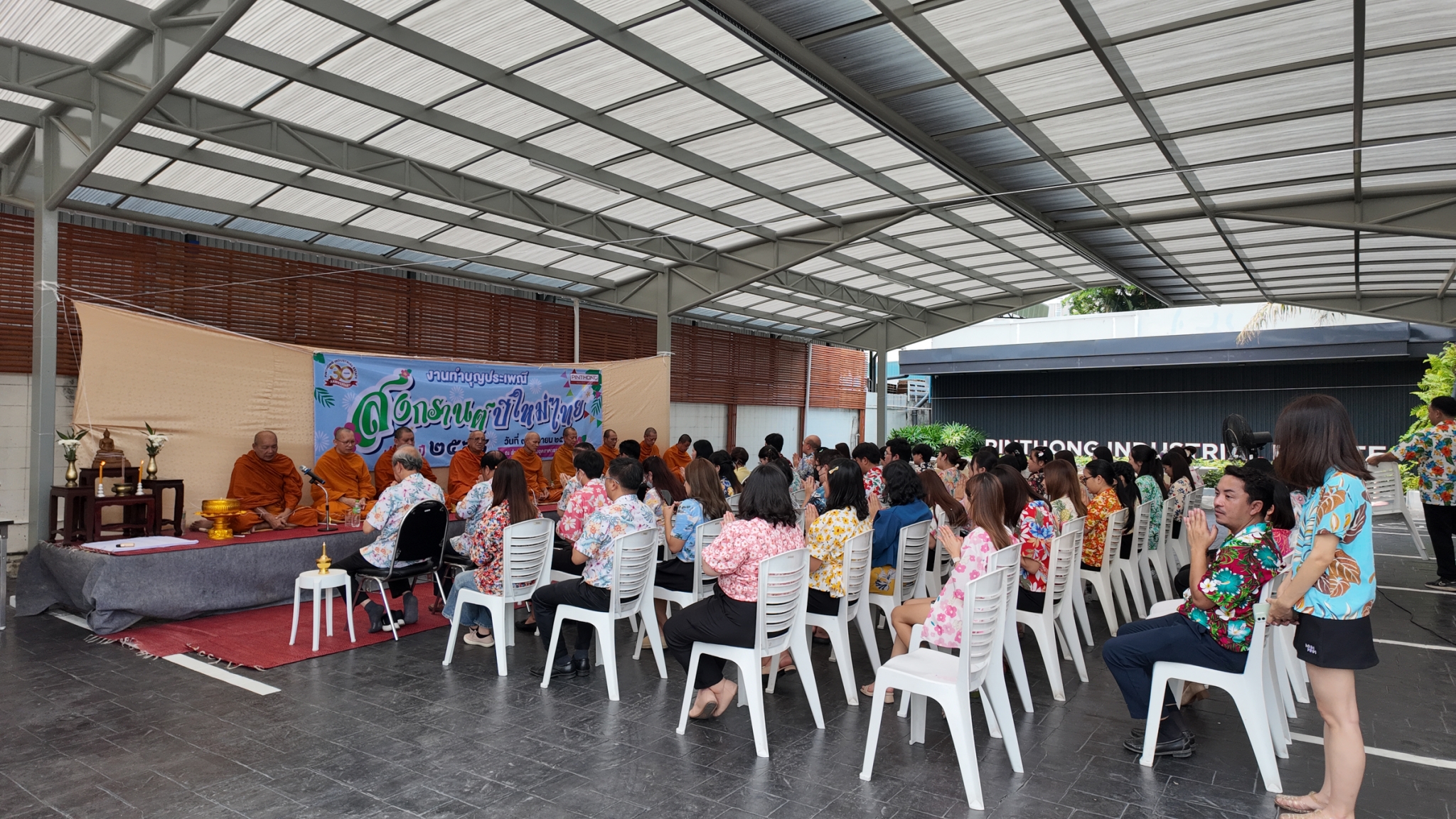
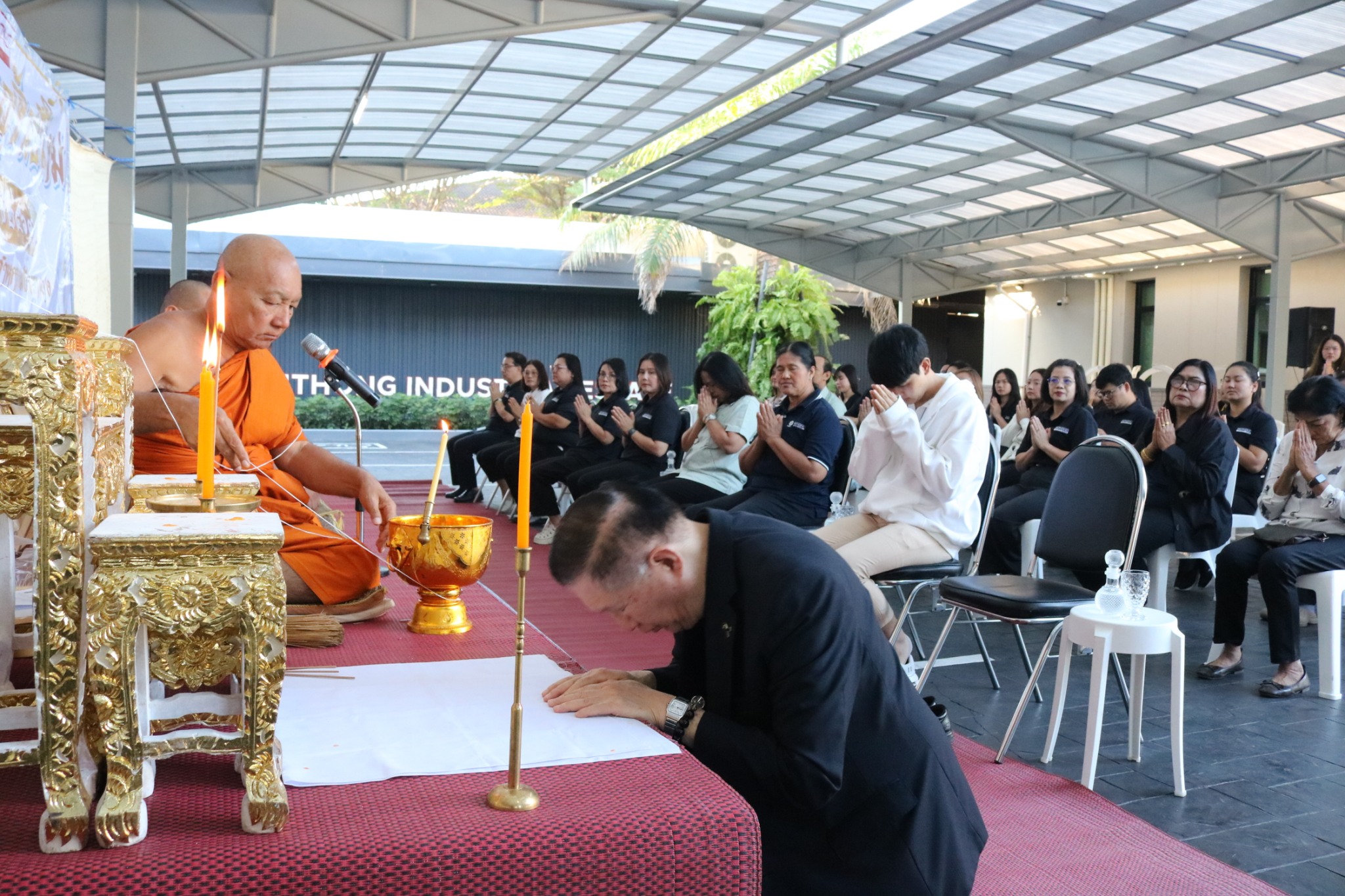
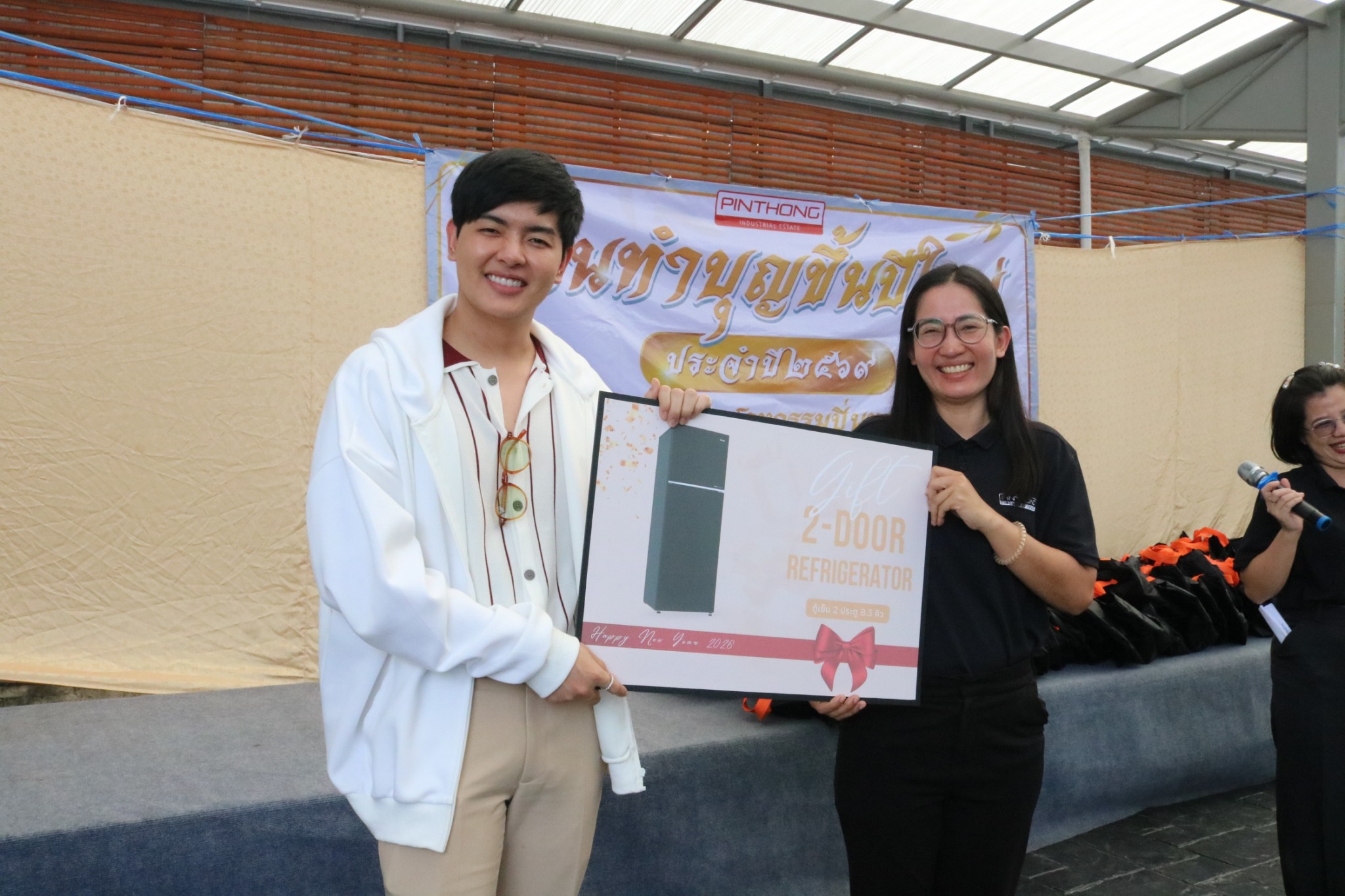
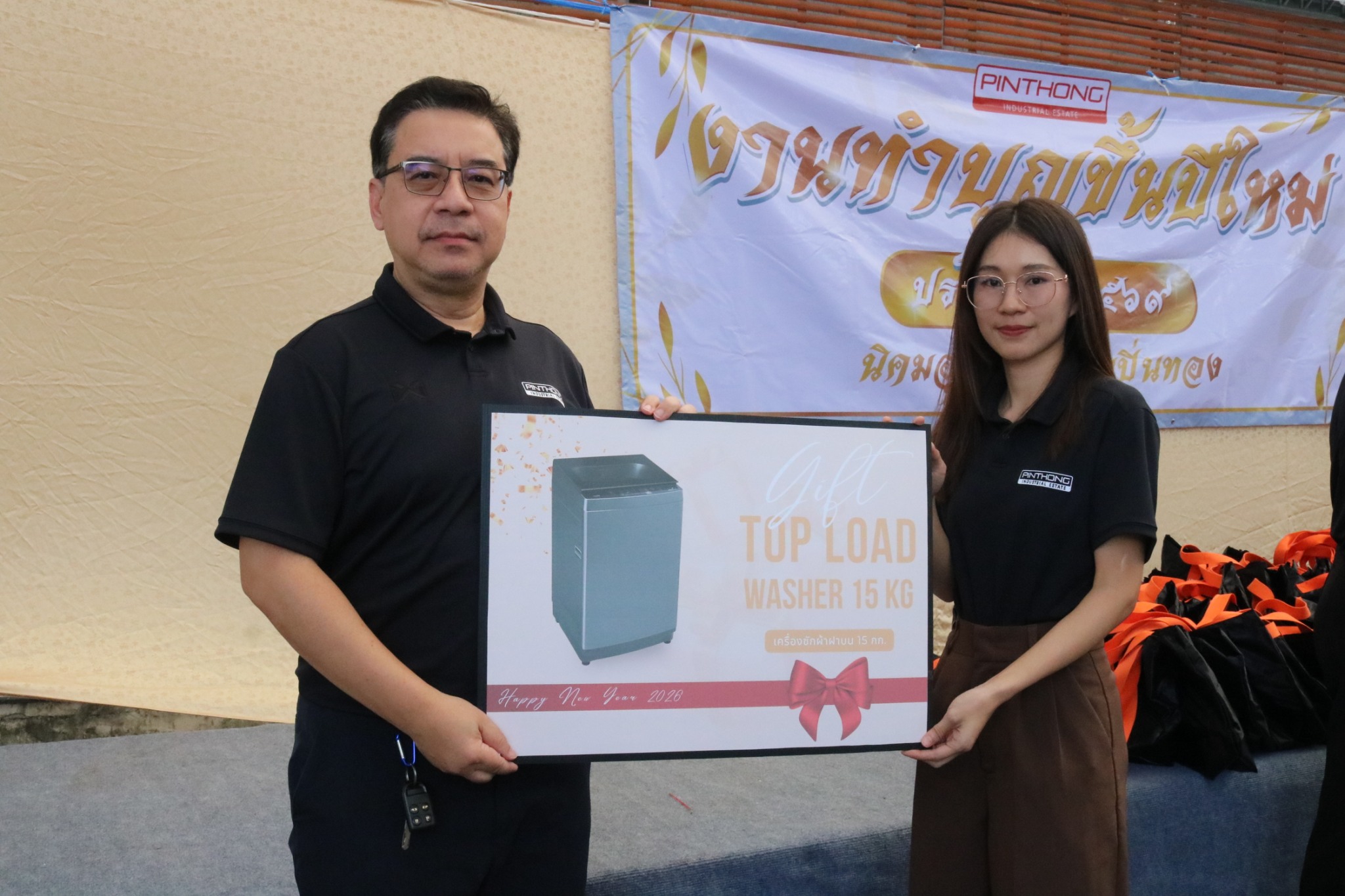
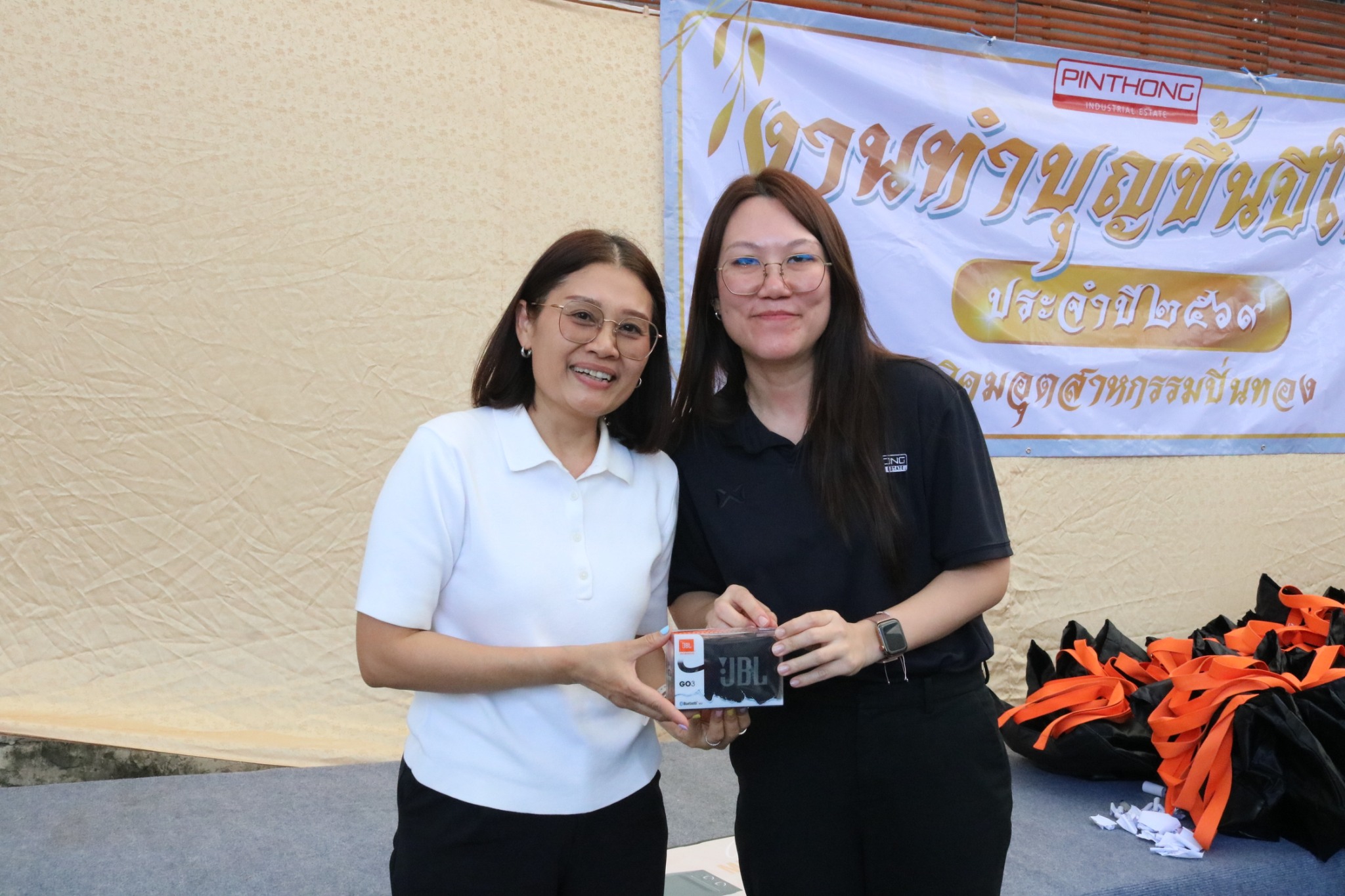
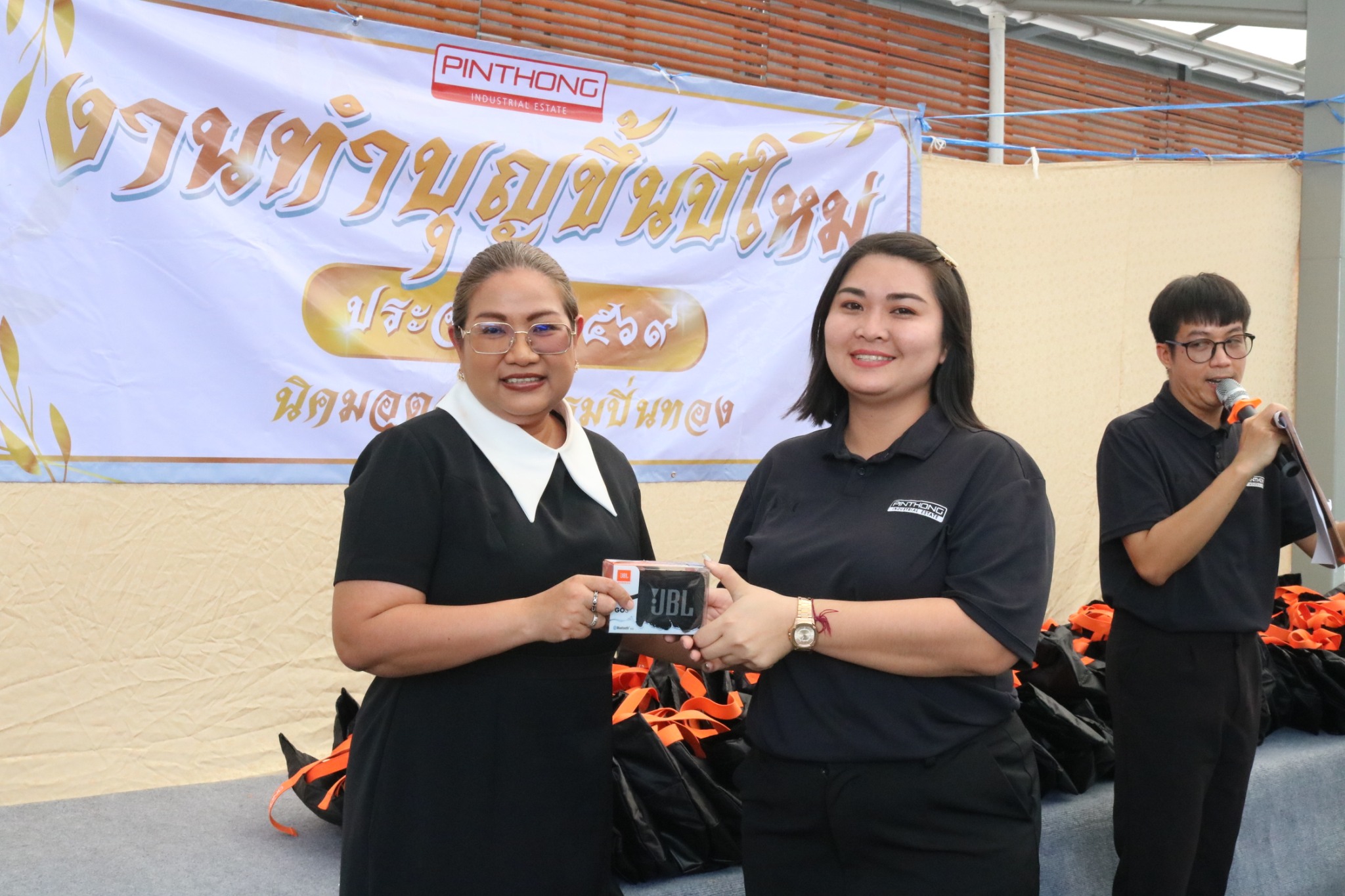
The Company promotes employee participation in society through Corporate Social Responsibility (CSR) activities, supporting community engagement in surrounding areas, environmental conservation, and internal organizational activities such as merit-making events during important festivals, including Songkran, New Year, and New Year parties, providing opportunities for employees to build positive relationships both within the organization and with the community. These activities help foster greater awareness of social and environmental responsibility among employees, enhance the organization's image and credibility, and build unity, morale, and employee commitment to the organization.

Pinthong Industrial Cup Football Tournament 2025
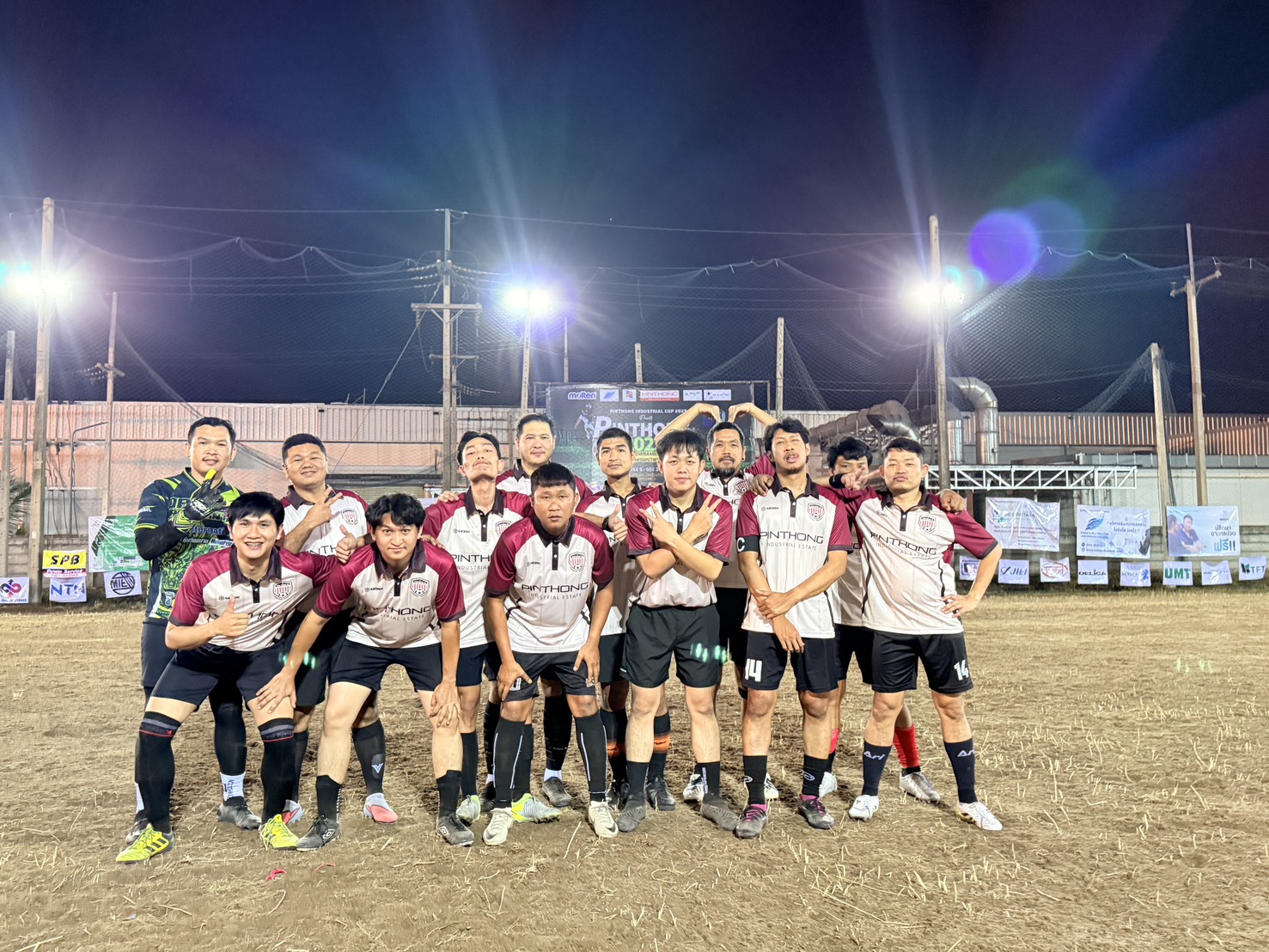
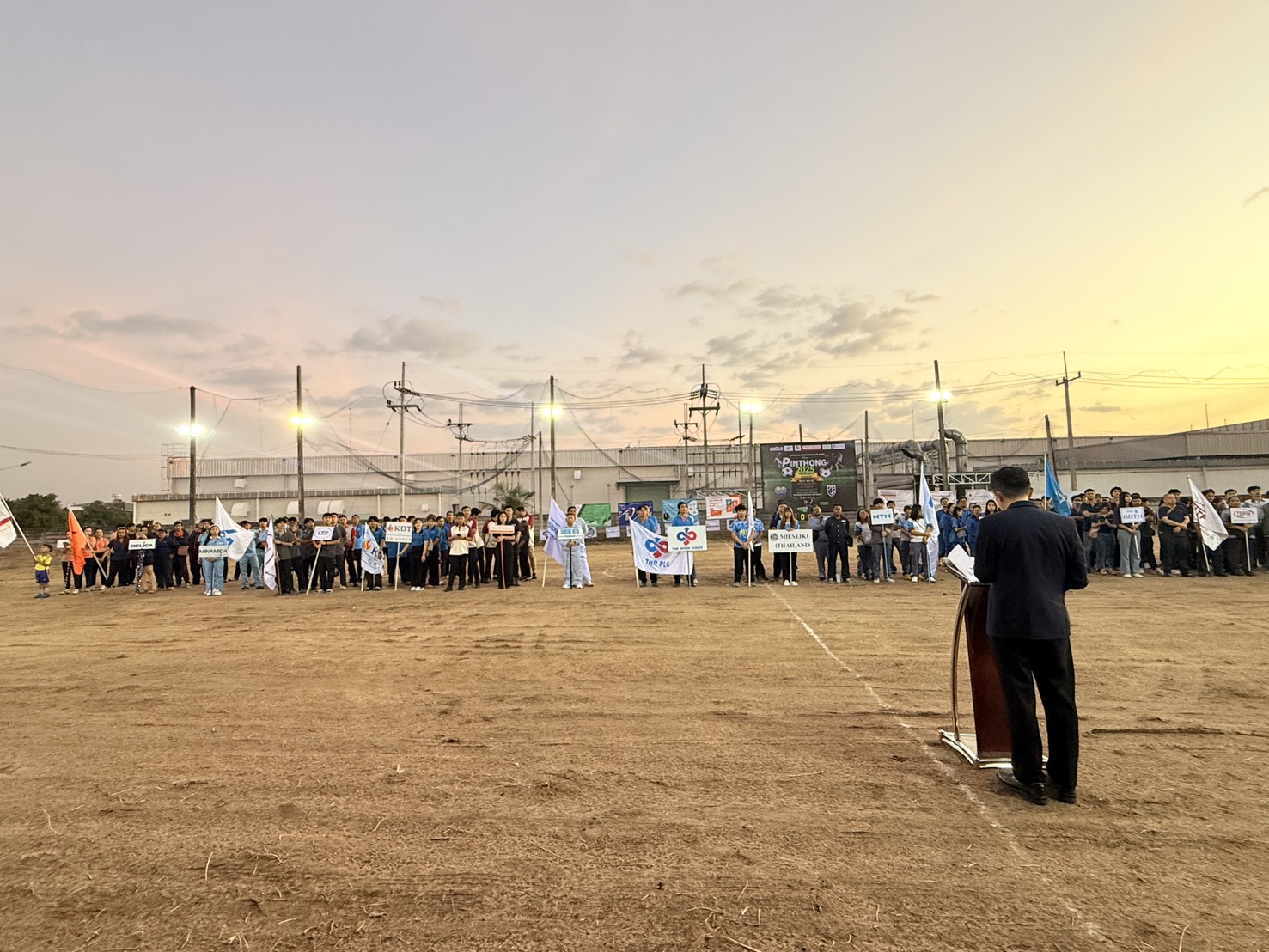
The Company organized the Pinthong Industrial Cup Football Tournament 2025 to promote exercise and good health among employees, while fostering relationships and unity among entrepreneurs and employees within the Pinthong Industrial Estate. The event also supported sports activities and quality of life development, as well as enhancing the positive image of Pinthong Industrial Estate as an industrial community that values the well-being of its workforce. The tournament was held from 8 December 2025 to 24 December 2025, Monday through Friday, from 17:30 to 21:00, at the grass football field next to the power plant, Pinthong Project 1. A total of 32 teams from various operators and agencies within the industrial estate participated, with the Company fielding one male employee representative team. Approximately 200 participants took part as both athletes and spectators, helping to promote physical activity, employee engagement, and strong relationships between the organization and local entrepreneurs.


Promoting Diversity, Equity, and Inclusion
The Company promotes Diversity, Equity, and Inclusion (DEI) among employees by fostering a culture of respecting differences, providing equal opportunities, and enabling the participation of all personnel, as follows:
- Anti-Harassment and Non-Discrimination : The Company communicates guidelines on preventing harassment and discrimination to all employees through promotional materials and campaign notice boards installed throughout the workplace — in both office areas and common spaces — to raise awareness and encourage mutual respect. Identified inappropriate behaviors include the use of language that mocks or demeans based on gender, age, or physical condition; gestures or actions that cause discomfort; and unfair treatment in task assignment or consideration of career advancement opportunities. Internal communication channels such as email and meetings are also used to reinforce appropriate coexistence and reduce behaviors that may lead to harassment or workplace discrimination.
- Compensation Review and Inequality Reduction : Employee compensation is reviewed annually based on job structure and level of responsibility to ensure remuneration is appropriate and aligned with each position's role. Compensation adjustments are made according to clearly defined performance evaluation results, regardless of gender, to ensure consistent criteria and reduce potential inequality within the organization.
- Employee Feedback Channels : The Company provides a variety of feedback channels, including online surveys, suggestion boxes, and communication through the Human Resources department, as well as through the elected Welfare Committee which represents employees. All employee groups are given equal access to these channels so they can convey their needs and suggestions comprehensively. The information received is analyzed and used to improve human resource management practices to align with the needs of each employee group.
- Employee Engagement Survey : An annual employee engagement survey is conducted, requiring respondents to indicate their gender — male, female, or LGBTQ+ — to enable appropriate analysis and comparison across groups, reflect employee perspectives comprehensively, and reduce data bias. The questionnaire covers key topics related to workplace equity, such as recognition and support from supervisors, confidence in expressing opinions openly, a sense of belonging to the organization, and collaboration with others. Survey results across all topics averaged above 80%, reflecting that the Company fosters a working environment where all employee groups can participate and are treated appropriately.
Complaint Channels and Complaint Handling Process
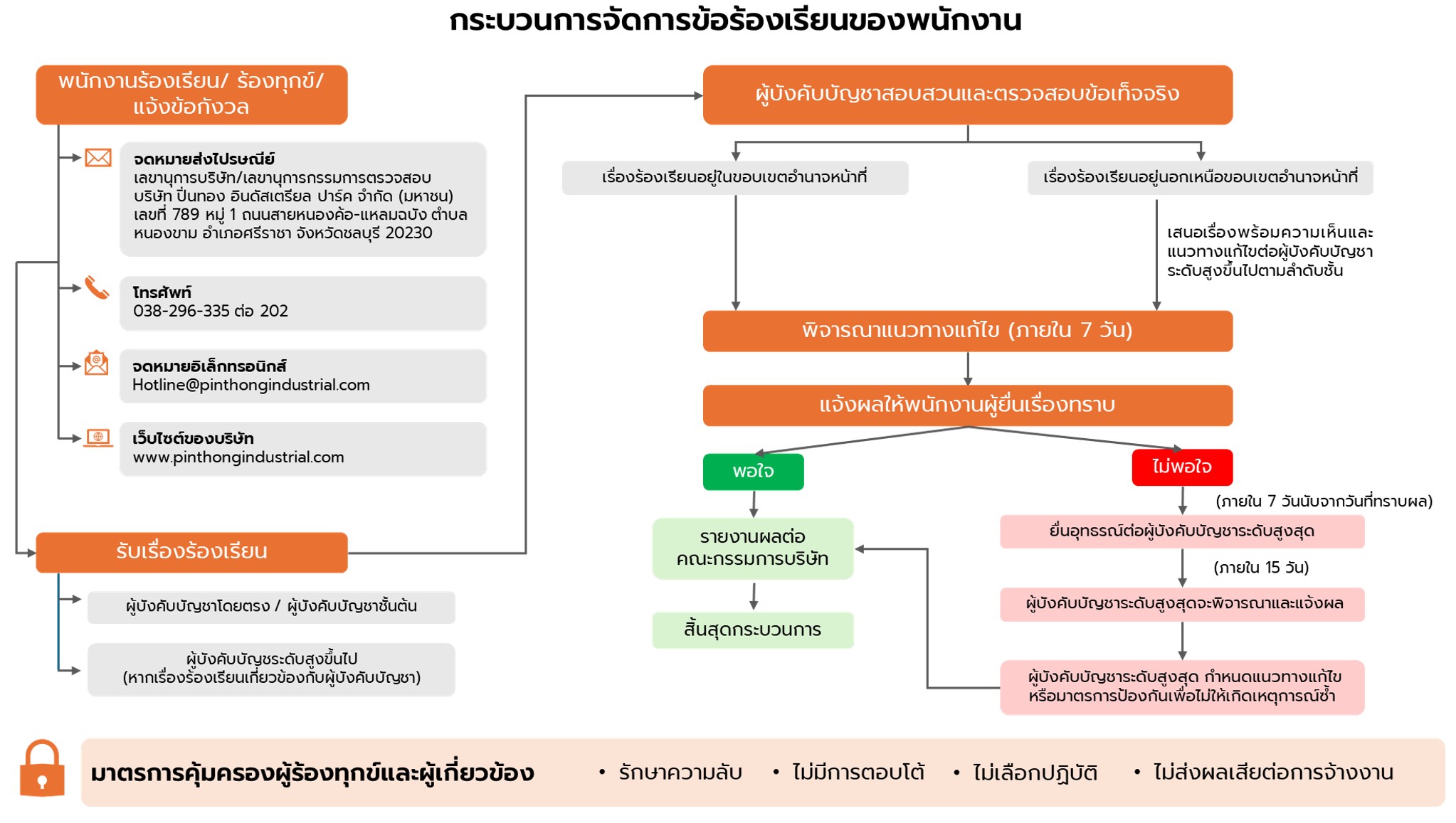
In 2025, the Company had 1 labour dispute arising from a lawsuit claiming unfair dismissal. The Labour Court dismissed the case on the grounds that the employee had committed misconduct in the performance of duties, which constitutes a serious offence. As a result, the Company's termination was lawful and no severance pay or payment in lieu of advance notice was required.
Employee Engagement
As the Company has continuously carried out various activities to care for, retain, and develop employee capabilities, including activities that promote employee engagement with the organization, the Company has conducted an Employee Engagement Survey to gather opinions and assess the level of employee engagement with the Company's operations, with the aim of using the results to improve and develop human resource management in line with employee needs.
The survey was conducted in December 2025 via an online questionnaire, with 78 respondents representing 70.90% of all employees — comprising 26 male employees, 50 female employees, and 2 LGBTQ+ employees. The survey results showed that the overall employee engagement level was 86.06%, covering various assessment areas including long-term commitment and intention to work with the organization, understanding of roles and participation in work, working relationships and team culture, guidance and support from supervisors and senior management, and an appropriate working environment with opportunities for capability development.
The topic with the lowest average score compared to other areas was "Support for Work-Life Balance." The Company has therefore analyzed the root causes and used the findings to define improvement approaches in personnel management, as well as to develop measures to better support employee work-life balance — such as scheduling work from Monday to Friday with Saturday and Sunday off so employees have ample time to rest and engage in family activities, and promoting employee health by constructing a running track within the industrial estate to support exercise after working hours. Continuous follow-up monitoring is also conducted to further enhance employee engagement.
