Waste Management
Toward circular economy — reducing waste generation and maximizing resource utilization
Waste ManagementMateriality Level : Medium
Waste management is a critical issue for industrial estate operations, as it directly affects area management efficiency, operator capacity, and the confidence of investors, communities, and surrounding stakeholders. The Company therefore aims to manage waste systematically by integrating Circular Economy principles to reduce landfill disposal, promote efficient resource use, and support waste sharing among operators within the area — a key driver toward becoming an Eco Industrial Town that grows in balance with communities and the environment.
Targets & Performance
| Indicators | Long-term Target 2030 |
2025 Target |
2025 Performance |
|---|---|---|---|
| Proportion of waste sent to landfill relative to total waste | Not more than 10% | Not more than 15% | 11.23% |
| Proportion of biological sludge from treatment systems reused | - | 100% | 100% |
| Office paper usage compared to 2024 | - | Reduce by 10% | Reduced by 20.1% |
Risks and Opportunities
Inefficient waste management may create significant operational risks for the industrial estate, affecting the safety of employees, operators within the estate, and surrounding communities, as well as the environment through leakage or contamination of toxic and hazardous substances into soil, water, and air. This may lead to health impacts, ecosystem degradation, community complaints, and increased legal and management liabilities. Such risks not only affect area management efficiency and the estate's business continuity, but may also erode the confidence of investors, customers, and operators, as well as affect the Company's image, credibility, and social acceptance.
At the same time, systematically improving waste management creates opportunities for the Company to reduce those risks while increasing resource efficiency through source separation, recycling, reuse, and energy recovery — reducing reliance on landfill disposal, minimizing environmental impact, and concretely supporting development toward an Eco-Industrial Town.
Strategy and Management
The Company has therefore established waste management guidelines under the Environmental and Climate Change Policy and the Eco-Friendly Construction Policy, focusing on waste prevention at source alongside promoting Circular Economy principles through waste sorting, reuse and recycling, and the use of environmentally friendly materials. Operations are governed by environmental prevention and mitigation measures, as well as monitoring measures under the Environmental Impact Assessment (EIA) report, and adhere to ISO 14001:2015 environmental management system standards to ensure waste management is efficient, transparent, and auditable.


Governance Structure
To ensure operations align with established policies, the Company defines a governance structure and roles and responsibilities of various units in driving waste management within the estate, from setting direction and management to monitoring and evaluation, as follows.
| Responsible Unit | Roles and Responsibilities |
|---|---|
| Board of Directors | Exercises highest-level oversight of waste management by considering and approving policies, operational frameworks, and strategic directions, while monitoring operations and key issues that may affect business risk and continuity. |
| Corporate Governance and Sustainability Committee | Reviews and monitors waste management operations to ensure alignment with policies and targets, and provides recommendations to improve and elevate operations in line with sustainability directions. |
| Sustainability Working Group | Serves as the operational mechanism for driving waste management in line with policies and targets by setting guidelines, coordinating with relevant units, supporting systematic waste management, monitoring results, and reporting on waste management project outcomes for disclosure activities. |
| Employees | Strictly comply with waste management policies and practices by correctly sorting and storing waste, and reporting any anomalies or risks that may affect the environment and society. |
The Company strictly focuses on managing waste arising from its business operations by studying and beginning to apply the "Waste Management Hierarchy" concept as the core process for managing each type of waste within Pinthong Industrial Estate, aiming to reduce waste generation at source, maximize resource utilization, and minimize environmental impact in accordance with the 3Rs principles, with operational guidelines defined according to the Waste Management Hierarchy as follows.
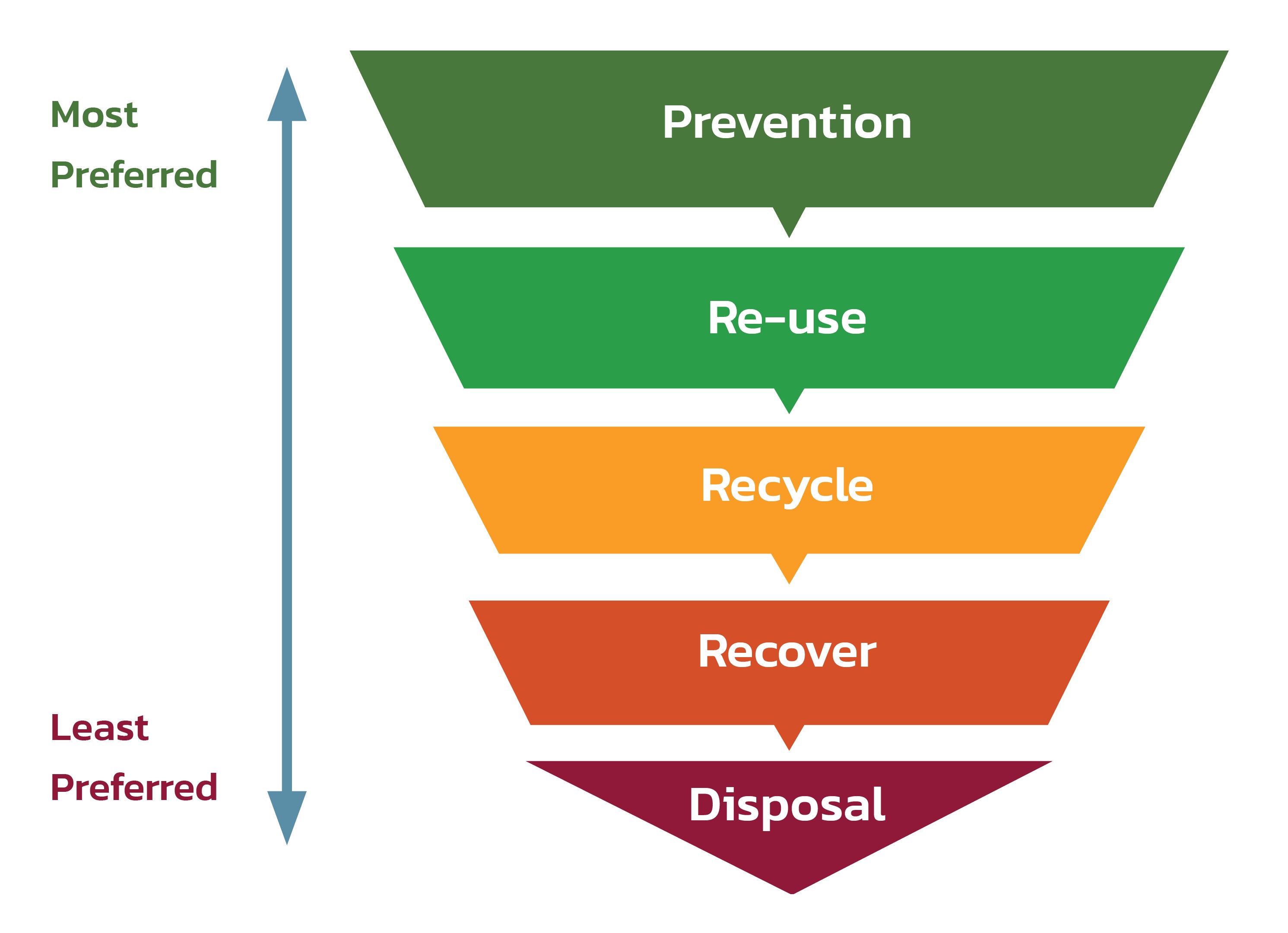
The "Waste Management Hierarchy" principle of the European Union
- Prevention / Reduction: Promotes the design and development of industrial estate infrastructure for efficient resource use, reducing waste-generating materials at source, and using digital technology and systems to reduce paper and unnecessary resource consumption.
- Reuse: Promotes the reuse of materials, equipment, and packaging still fit for use within the industrial estate, such as pallets, containers, or construction materials, and supports resource exchange and sharing among estate operators.
- Recycle: Establishes systematic waste sorting at source and supports the collection and transfer of recyclable waste to legally licensed disposal operators or recyclers.
- Recovery: Promotes the use of non-recyclable waste in alternative beneficial forms, such as converting waste sludge into soil amendment for use in the estate's green areas.
- Disposal: For waste that cannot be reduced, reused, recycled, or recovered, the Company disposes of it correctly in accordance with laws and environmental standards using licensed disposal operators, with monitoring to prevent impacts on the environment and surrounding communities.
Waste Generated from Operations
The Company has begun collecting data to serve as a foundation for systematic waste management planning. In the initial phase, this covers waste from two main sources under the Company's control: office waste and utility system waste. Waste from these activities may cause significant environmental and operational impacts if not properly managed, such as risks of contamination to soil, water, and air; health and safety impacts; inefficient resource use; waste disposal burdens; and risks of non-compliance with relevant environmental laws. Furthermore, although operators within the industrial estate are responsible for managing their own waste, such waste may still impact the industrial estate area and surrounding stakeholders if not properly managed — making it an issue the Company prioritizes as the developer and manager of the industrial estate.
The Company manages significant waste-related impacts by focusing on waste prevention at source, alongside improving resource efficiency and appropriate waste sorting. For activities under its control, the Company has begun source separation and data collection on office and utility system waste to track waste generation trends, support the development of waste reduction measures, and increase opportunities for material reuse or recycling in the future. At the same time, the Company strictly complies with waste management measures and environmental prevention and mitigation measures as specified in the Environmental Impact Assessment (EIA) report, to control contamination risks and environmental and community impacts.
For waste generated by operators within the industrial estate, who are responsible for managing their own waste, the Company plays a supporting role in ensuring such operations are conducted appropriately, transparently, and in compliance with the law, by maintaining a registry of legally licensed waste disposal contractors, categorized by the types of waste they are authorized to handle, as a reference for selecting appropriate service providers.
In 2025, the Company collected waste data from activities under its control, covering office waste and utility system waste, and found total waste of 69.48 tonnes — an increase of 70.21% from 2024. The main cause was new operators establishing factories within the industrial estate, along with existing operators expanding production capacity, which increased water demand in production processes and consequently generated higher volumes of sludge from the wastewater treatment system. This can be classified as 69.46 tonnes of non-hazardous waste and 0.024 tonnes of hazardous waste. This data serves as the Company's initial baseline for tracking waste generation trends under organizational control and for planning waste reduction measures and improving resource efficiency going forward. Note that this volume does not include waste generated by operators within the industrial estate, who are responsible for managing their own waste.
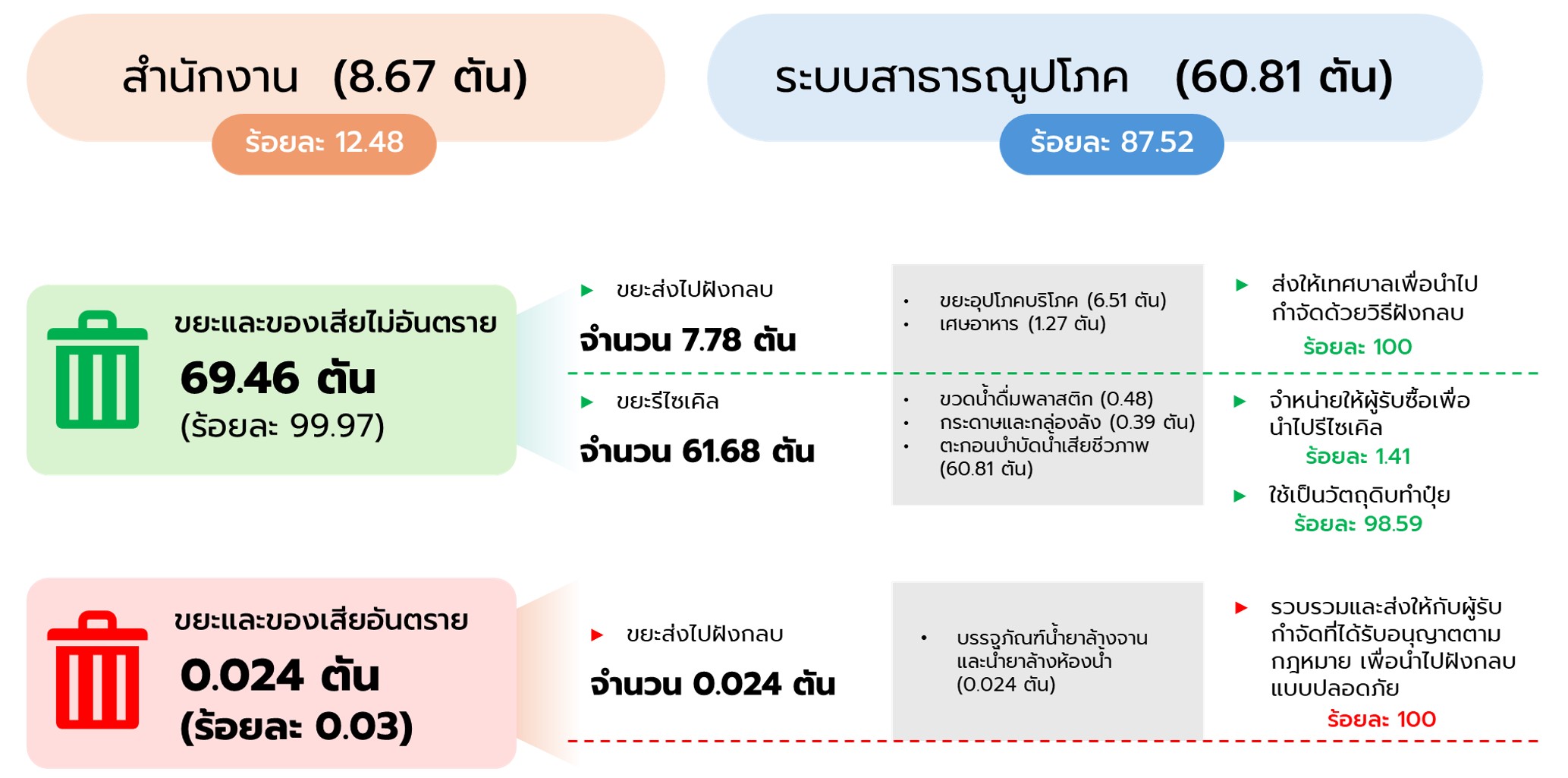
Waste and Waste Generation Reduction
The Company prioritizes waste prevention at source to reduce the environmental impact of its business operations. It focuses on efficient resource management planning to minimize waste generation before it enters the management process, through projects aimed at improving work processes, reducing consumable material use, and continuously promoting a waste-reducing work culture among employees and stakeholders.
Office Paper Reduction
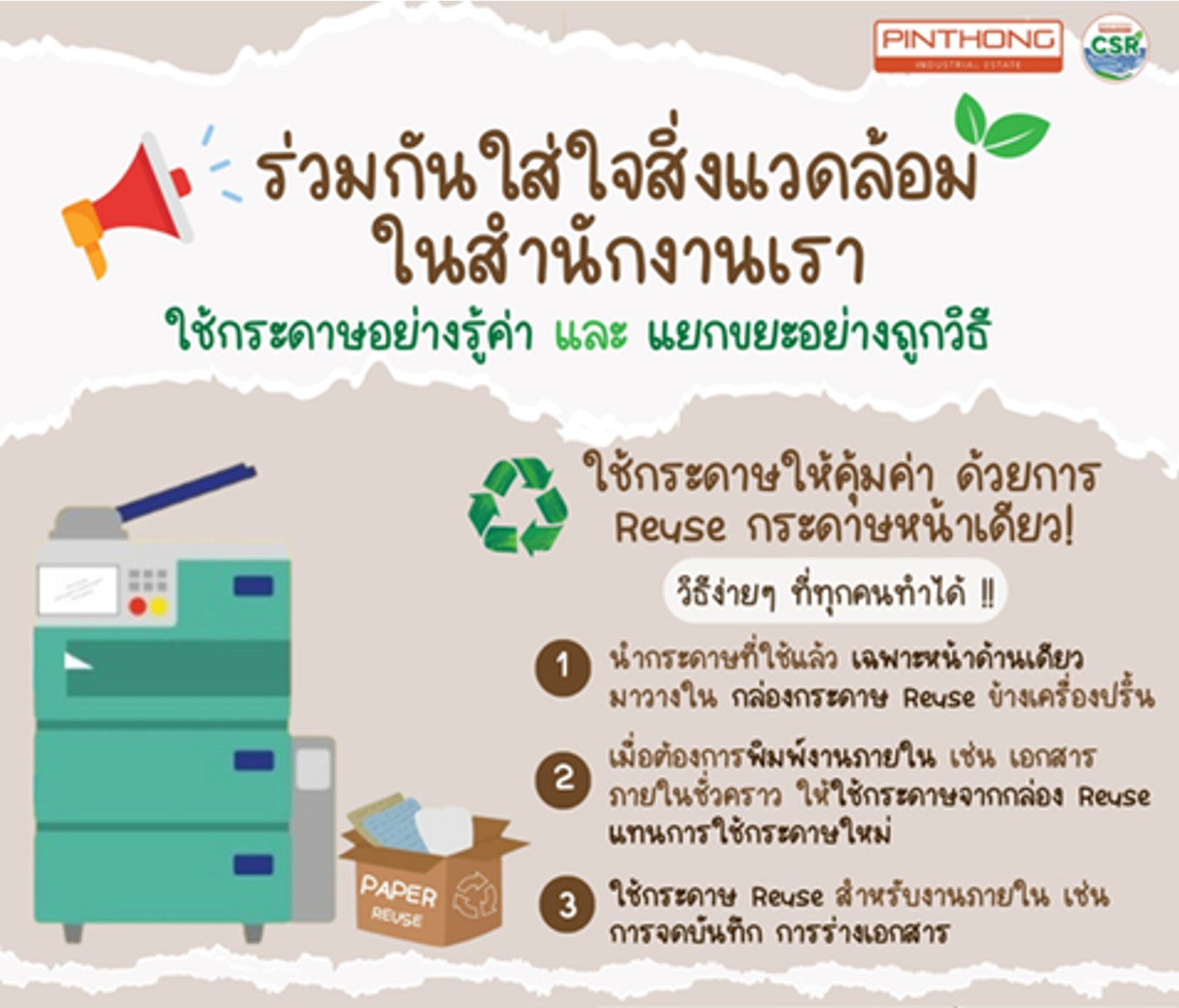
The Company carries out activities to reduce paper use from office document printing in order to use resources efficiently and reduce greenhouse gas emissions from operations. A target was set to reduce paper consumption by 10% compared to 2024 through campaigns and measures for efficient paper use, such as printing only when necessary, promoting Paperless Training using digital learning materials including electronic slides and online training documents, adjusting procurement processes to use more electronic documents, and reusing single-sided printed paper for tasks that still require printing — to reduce new resource use and waste in line with the Reduce principle.
As a result of these activities, office paper printing was reduced by 68,682 sheets, or 20.1% from 2024, equivalent to a reduction in greenhouse gas emissions of approximately 343 kilograms of carbon dioxide equivalent.
Single-Use Plastic Reduction
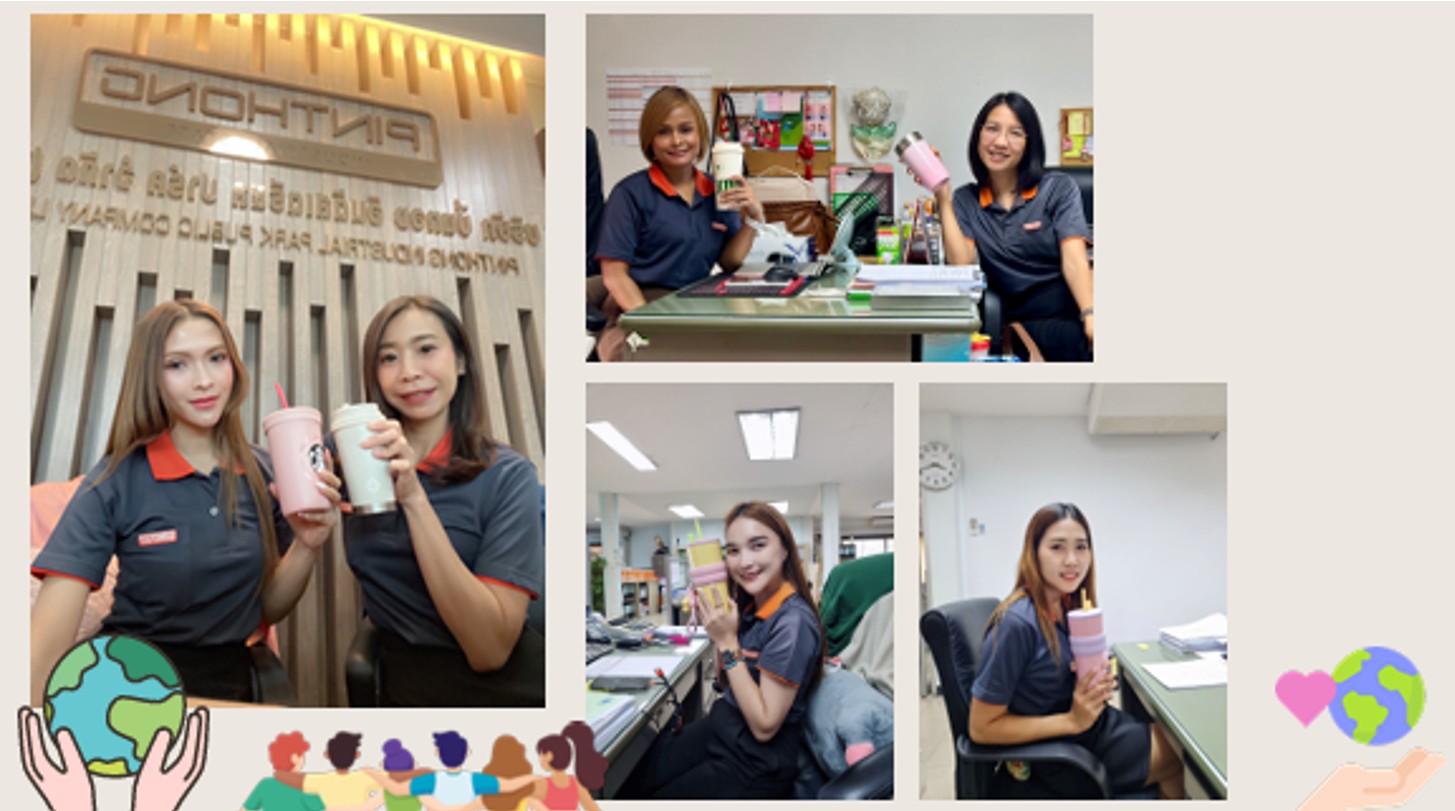
Another key activity to raise waste management awareness in the office is the campaign to reduce single-use plastics (Single-use plastic), covering cups, bags, bottles, and plastic straws. The Company encourages employees to bring personal cups or containers for drinking water from office dispensers, reducing the use of short-lifespan packaging that takes a long time to decompose. This activity is carried out alongside continuous communications to change consumption behavior and encourage staff at all levels to participate in reducing waste at source. In 2025, 92 employees joined the project, representing 83.63% of all office staff, resulting in a reduction of 23,000 single-use plastic cups and bottles per year, equivalent to 140 kilograms of plastic waste reduced per year, while also strengthening the organizational culture of resource efficiency and environmental friendliness.
Waste Utilization Based on Circular Economy Principles
The Company sorts various types of waste from daily activities and operations within the office area and industrial estate, including systematic management of sludge from the central wastewater treatment system. Conditioned wastewater sludge is processed into organic compost to add value to waste through utilization in line with Circular Economy principles.
Waste Sorting Promotion Project
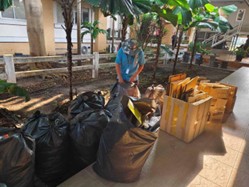
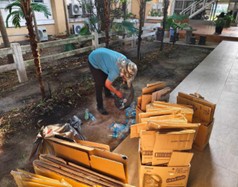
The Company continuously promotes waste sorting in office areas under the "Yaek BIN Gun" project, focusing on raising awareness and changing employee behavior to sort waste correctly at source through internal communications, alongside monthly sorting monitoring by the administration department. Results show that employees correctly sort waste by the designated bin colors, leading to more efficient collection and downstream waste handling. The Company also focuses on reducing general waste sent to landfill — a source of greenhouse gas emissions — by converting sorted food scraps into compost to recirculate resources and reduce environmental impact in accordance with Circular Economy principles.
Waste sorting by color code consists of the following:


Wastewater Treatment Sludge Utilization Project
Sludge from the central wastewater treatment system is the largest waste stream, accounting for 87.5% of total waste generated in 2025. The Company therefore systematically manages sludge from the central wastewater treatment system by combining conditioned sludge with plant clippings from green area maintenance to produce organic compost through a windrow composting process — a method suitable for organic matter decomposition that helps control compost quality for environmental safety. This approach reduces the volume of waste requiring external disposal, lowers wastewater sludge management costs, reduces chemical fertilizer use, and adds value to waste in line with Circular Economy principles. The resulting compost is used to improve soil quality in green areas and planting zones within the project.
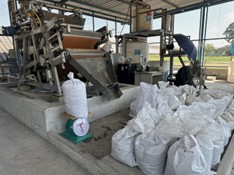
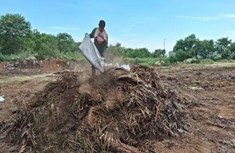
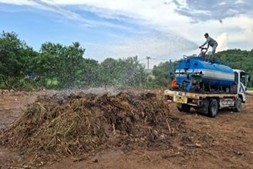
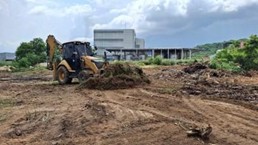
In 2025, the Company utilized 60.81 tonnes of sludge, reducing transportation and disposal costs by 72,972 THB, and produced a total of 923 tonnes of compost valued at 5,538,000 THB, improving resource efficiency and reducing green area maintenance costs. The resulting compost was used to improve soil quality in green areas and planting zones within the project.
In addition to reusing sludge from the wastewater treatment system, the Company also focuses on reducing general waste sent to landfill — a source of greenhouse gas emissions — by planning a Food Waste sorting and processing project to convert food scraps into organic fertilizer for use in office green areas. In 2025, the Company is in the process of collecting and analyzing food waste data to support project planning and design appropriate to the organizational context.
In the next phase, the Company will assess the suitability of technology or food-waste composting equipment in line with the volume of waste generated, before systematically beginning food waste sorting and collection at source for processing into organic fertilizer for use in office green areas, while continuously monitoring and evaluating food waste reduction results and environmental and resource-use outcomes.
Waste To Walk Project: PIN Invites You to Separate Plastic Waste
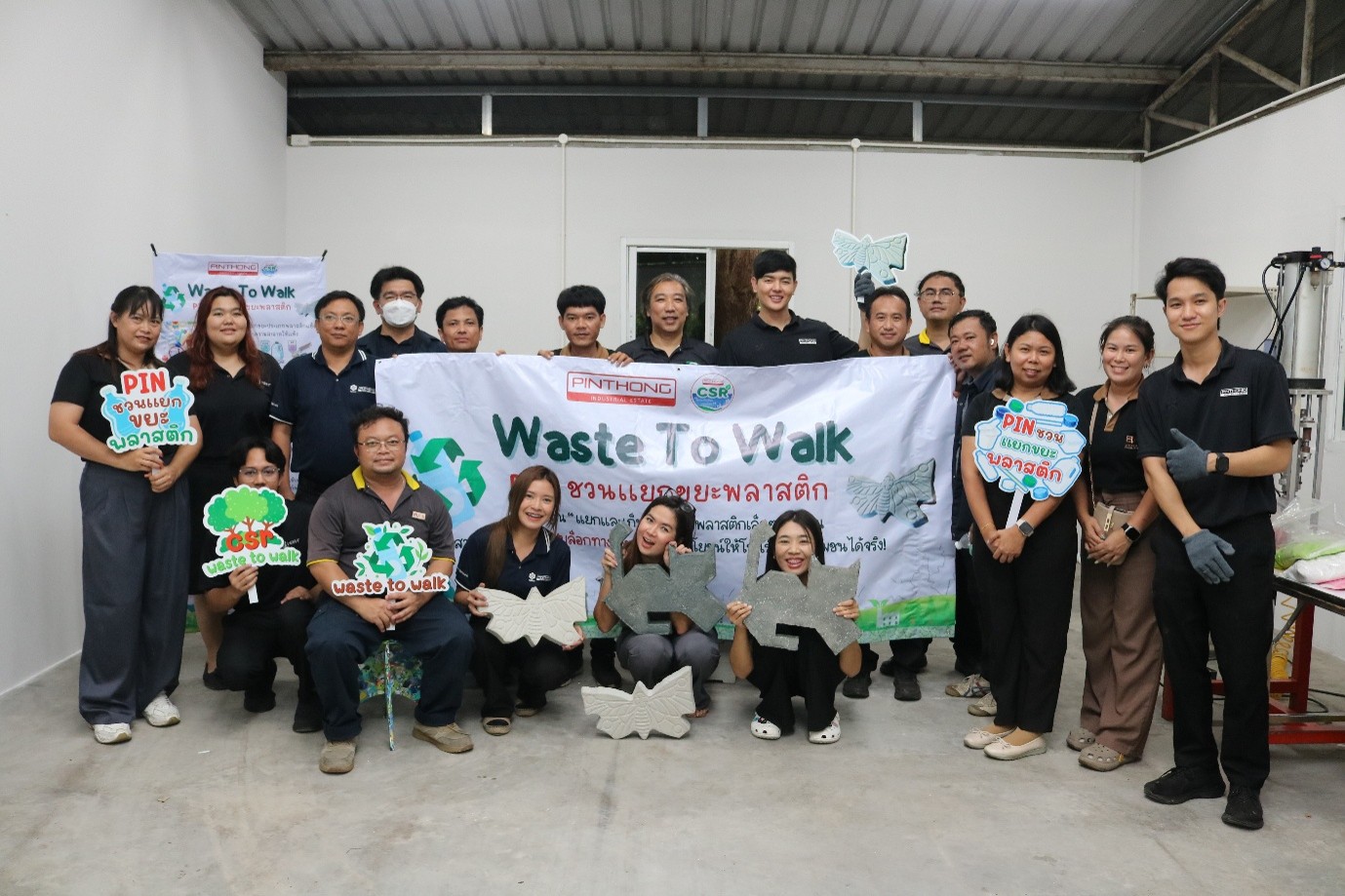
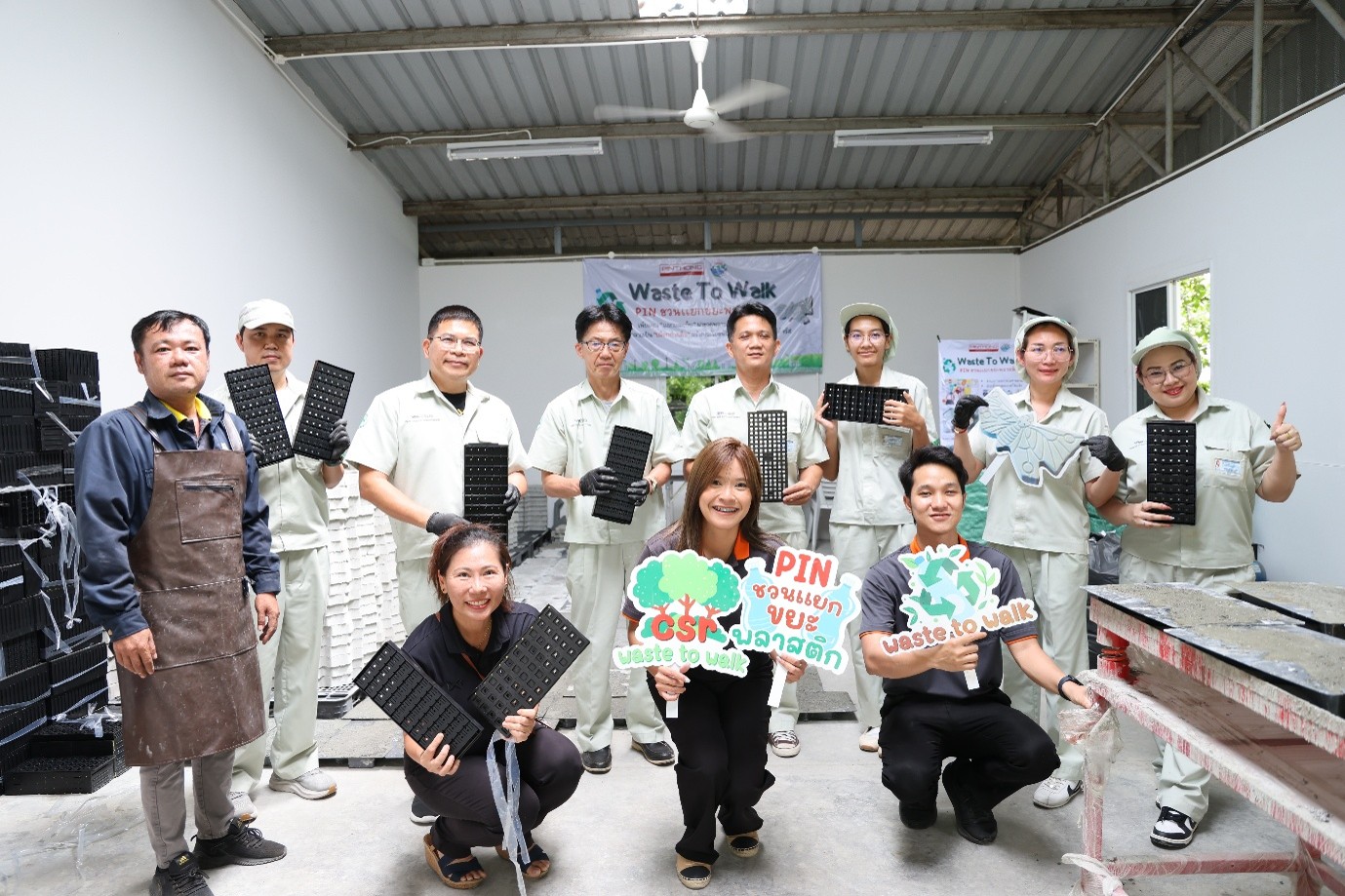
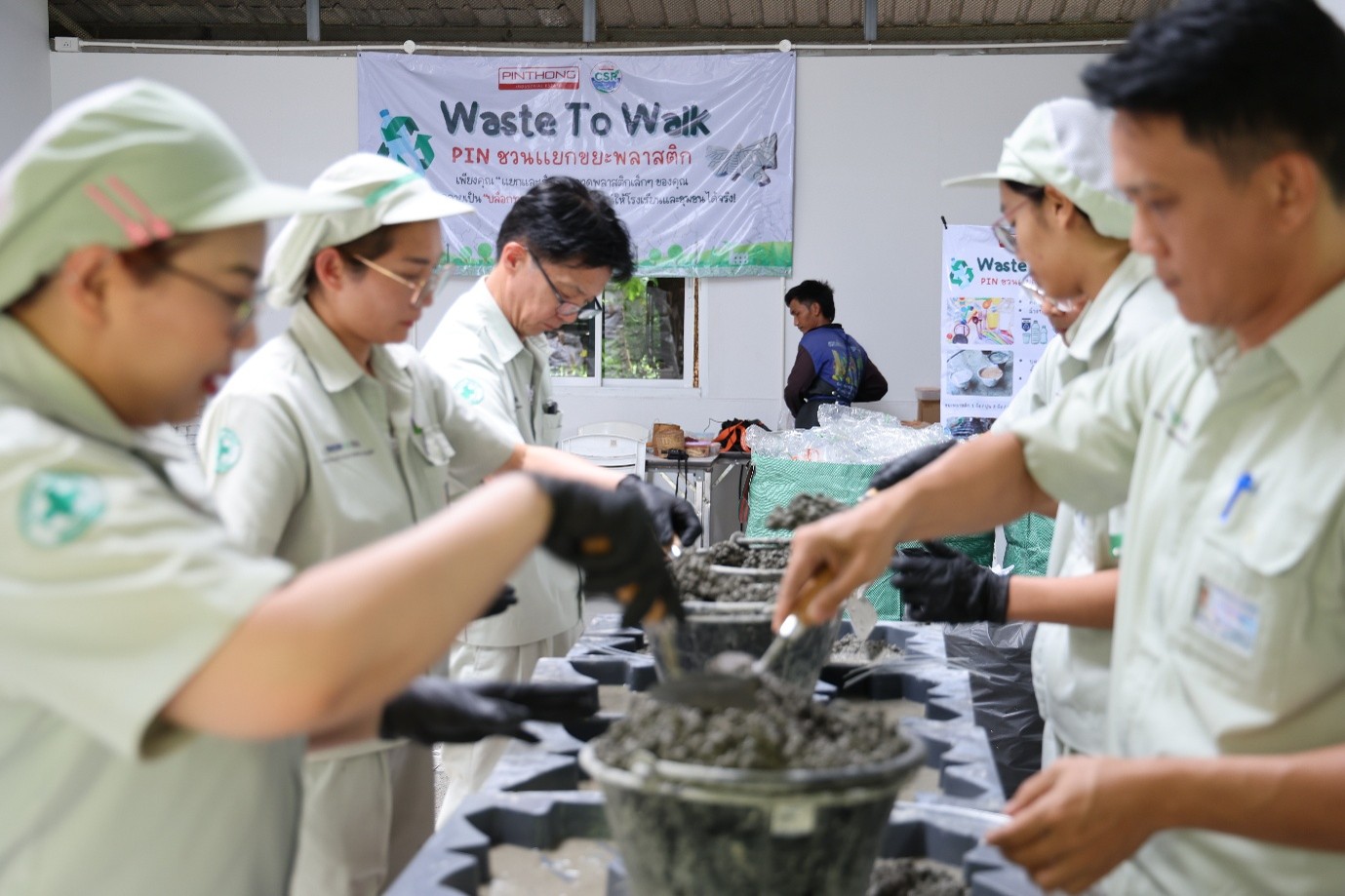
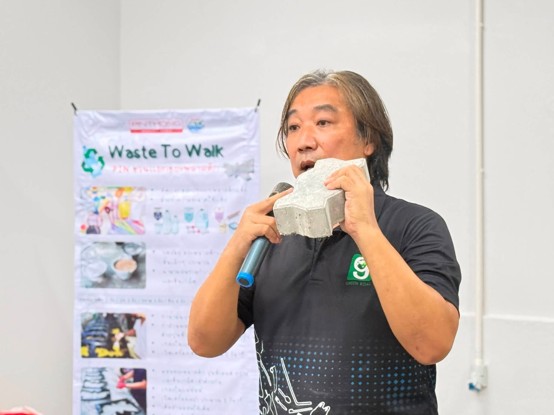
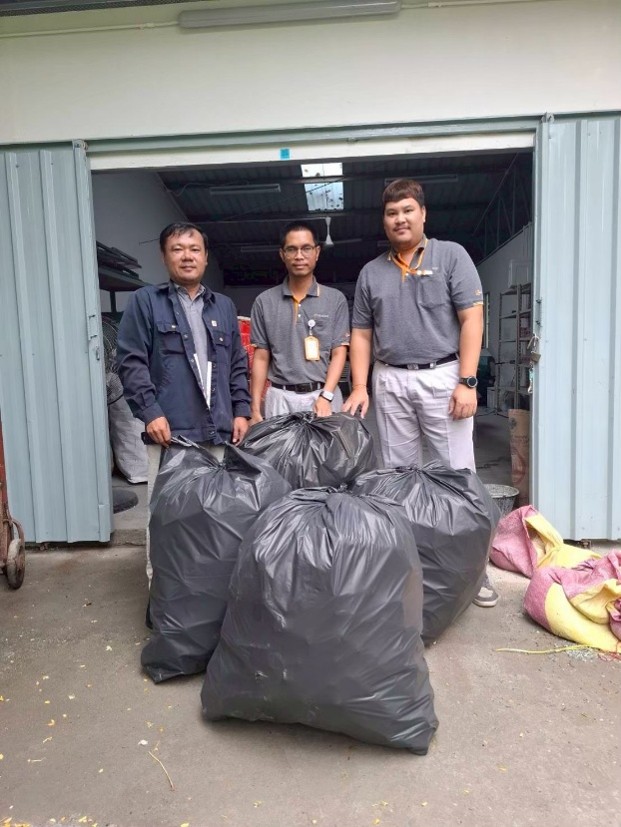
In collaboration with the GREEN ROAD project, the Company runs the “Waste To Walk: PIN Invites You to Separate Plastic Waste” project to promote the sorting and collection of plastic waste from factories and operators in the industrial estate, employees, schools and surrounding communities, before it enters the recycling process to add value and be developed into products that benefit society. The project aims to collect no less than 4,000 kilograms of plastic waste per year for recycling, while encouraging all sectors to take part in managing waste at the source on an ongoing basis, in order to reduce the amount of plastic waste requiring disposal, use resources efficiently, and support the achievement of the Sustainable Development Goals (SDGs).
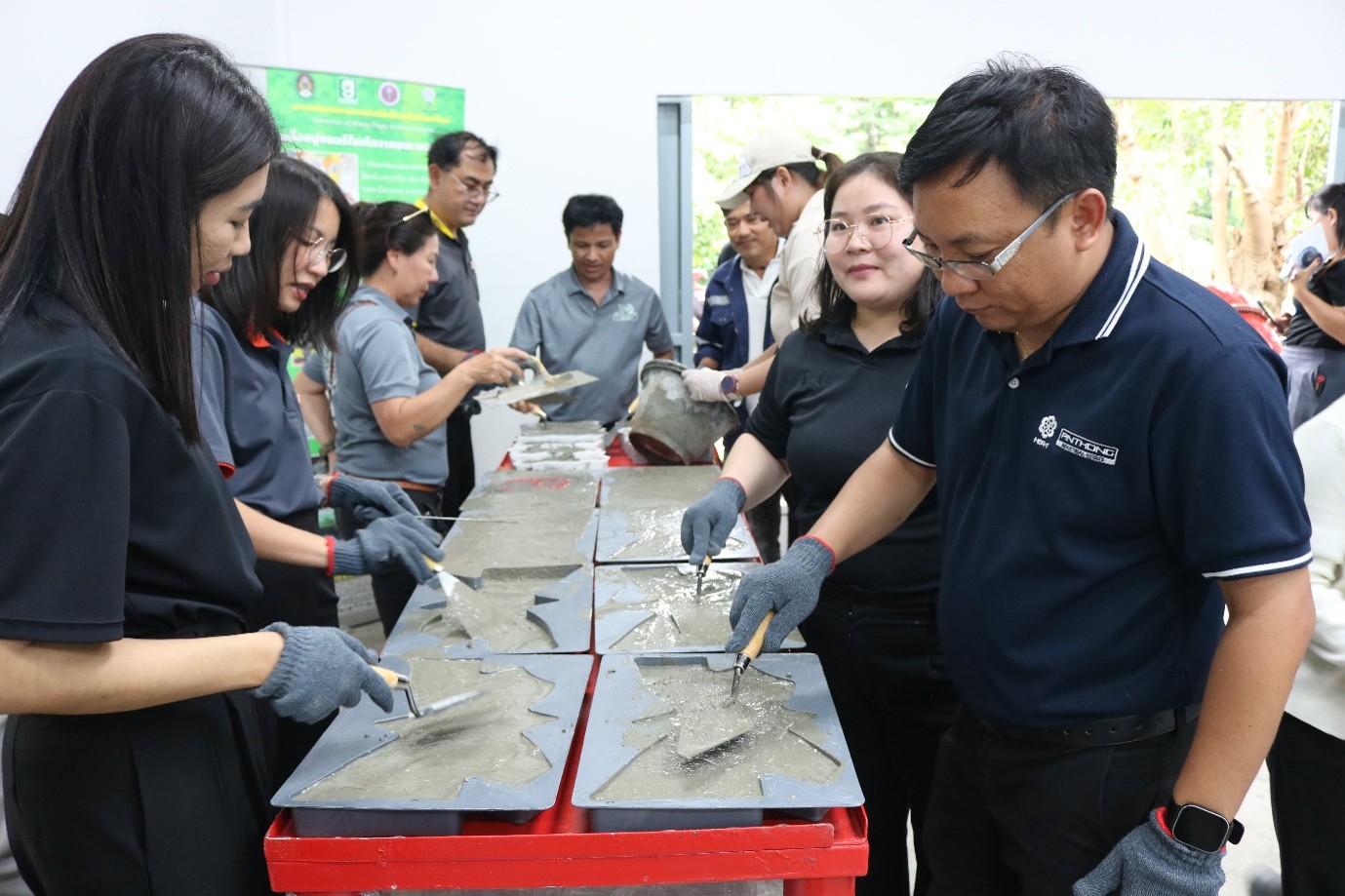
In addition, the Company is extending its waste management efforts by studying the use of plastic sorted through the Waste To Walk project, together with sludge from the industrial estate’s wastewater treatment system, as ingredients in trial production of concrete paving blocks for walkways. Different mix formulas are being compared to determine the most suitable proportions, and a budget is being planned for project development and product testing in terms of compressive strength, durability and safety. This approach aims to add value to waste, reduce the amount of material requiring disposal, and develop products that use resources efficiently under the principles of the Circular Economy.
The Company has invested a total of THB 606,760 in project implementation, research and development (R&D), as well as tools and equipment that can be utilized and further developed over the long term. During the pilot phase, 2,500 concrete paving blocks, covering approximately 200 square meters, have been produced and installed in the common areas of the industrial estate to test their real-world performance. The results will be used to improve the process before scaling up the project and expanding the initiative in collaboration with local communities in the future.

Waste Generation, Disposal, and Utilization
In 2025, the Company generated a total of 69.48 tonnes of waste, of which 61.68 tonnes were recovered and utilized — up from 33.42 tonnes in 2024, representing an increase of 84.57%. This resulted in the waste utilization ratio rising from 81.87% to 88.77%, driven by improved waste sorting efficiency and sludge management from the wastewater treatment system in line with circular economy principles. As a result, the proportion of waste sent for landfill disposal decreased from 18.03% to 11.23% in 2025.
| Waste and Waste Quantity | 2567 | 2568 |
|---|---|---|
| Total company waste and waste (tonnes) | 40.82 | 69.48 |
| Waste and waste utilized (tonnes) | 33.42 | 61.68 |
| Ratio of waste and waste utilized to total waste (%) | 81.87 | 88.77 |
| Waste and waste sent for landfill disposal (tonnes) | 7.36 | 7.80 |
| Ratio of waste and waste sent for landfill disposal to total waste (%) | 18.03 | 11.23 |
Supporting and Engaging Industrial Estate Operators in Waste Management
Across all 6 Pinthong Industrial Estate projects, there are more than 367 operators. Waste management is therefore a critical issue requiring strict cooperation from all parties. Factories, as waste generators, are responsible for managing waste from their own production processes — including sorting, storage, and controlling waste transportation in compliance with environmental regulations and applicable laws. They are required to engage licensed waste disposal operators to transport, treat, or dispose of waste properly, ensuring that waste is managed appropriately and does not impact the surrounding environment and communities.
The Company supports operators by maintaining a registry of legally licensed waste disposal agencies and companies, categorized by waste type, to serve as a reference database for operators to select appropriate and compliant service providers.
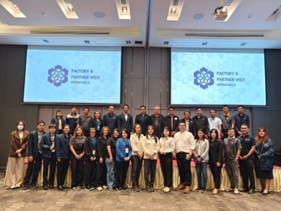
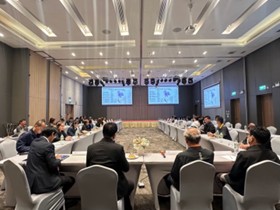
In 2025, the Company organized a joint meeting with the Industrial Estate Authority of Thailand (IEAT) and 5 operators within the industrial estate, with 40 participants, under the Factory & Partner Visit program. The meeting facilitated the exchange of opinions and feedback from operators regarding waste management within the industrial estate, including sharing of best practices in waste sorting, waste reduction from production processes, and guidelines for waste storage, transportation, and disposal in compliance with legal requirements and environmental standards. This activity helped strengthen collaboration between the Company and operators in developing a more efficient waste management system.
In 2025, the Company received no complaints regarding waste management from environmental agencies, customers, industrial estate operators, or surrounding communities.