Occupational Health and Safety
Every employee goes home safely — reducing risk, creating safe workplaces, and promoting well-being.
Occupational Health and SafetyMateriality Level : Medium
"Occupational health and safety is a critical factor for industrial estate operations. Pinthong Industrial Park elevates safety management from regulatory compliance to a proactive system, integrating safety management across the entire industrial ecosystem — from hazard identification, risk management, employee participation, to transparent accident data disclosure — to create safe workplaces, reduce accident opportunities, and build stakeholder confidence."


Goals and Performance
| Indicator | Long-term Target 2030 |
Target 2025 |
Performance 2025 |
|---|---|---|---|
| Lost Time Injury Frequency Rate (LTIFR) per one million working hours | 0 | 0 | 0 |
| Fatality and permanent disability rate from work-related accidents per one million working hours | 0 | 0 | 0 |
Risks and Opportunities
The industrial estate is a hub of diverse industries using machinery, chemicals, and transportation in large quantities. Without an effective safety management system, risks may arise in multiple dimensions — economically, socially, and environmentally — all affecting the continuity and credibility of the industrial estate.
Effective occupational health and safety management elevates the estate's standards, attracting high-standard investors, enhancing competitiveness, and supporting business growth in compliance with regulatory requirements and international standards.
Strategy and Management
The Company places great importance on occupational health and safety management as it directly impacts business continuity, operator confidence, and the overall image and standards of the industrial estate. The Company's OHS operations are guided by human rights and labor practices policies, in compliance with relevant laws including the Occupational Safety, Health and Working Environment Act B.E. 2554, the Factory Act B.E. 2535, and IEAT requirements.
The Company focuses on identifying, assessing, and managing risks from operations and related activities, establishing accident and emergency prevention measures, ensuring appropriate emergency preparedness and response, and continuously monitoring and improving the effectiveness of measures. The Company also promotes participation of employees, contractors, and operators in workplace hazard prevention through communication, education, training, and continuous safety culture development.


Structure and Governance
To ensure effective management of safety, occupational health, and working environment, the Company has designated responsible units to implement policies and guidelines, as well as monitor and report performance results as follows:
| Responsible Unit | Roles and Responsibilities |
|---|---|
| Corporate Governance and Sustainability Committee | Set policies and monitor plans, targets, and OHS performance, as well as provide recommendations to management for continuous improvement. |
| Chief Executive Officer | Set OHS targets aligned with corporate strategy, support resources and management systems, build Safety Culture, promote employee participation at all levels, and ensure strict compliance with laws, standards, and relevant requirements. |
| Chief Operating Officer | Drive OHS strategy aligned with organizational goals, systematically manage workplace safety and health covering risk prevention, hazard control, workplace environment improvement, personnel capability development, and continuous performance monitoring and improvement. |
| Safety Department | Plan and implement HSE measures within the organization and industrial estate. Control, supervise, and inspect safety in common areas. Manage security systems including CCTV and access control. Develop and drill emergency response plans. Conduct centralized training and serve as the hub for safety communication and risk monitoring. |
| Occupational Safety, Health and Working Environment Committee | Promote and support safety officer networks within Pinthong Industrial Park to build cooperation and elevate safety standards. Support knowledge sharing, information exchange, and OHS experience for continuous organizational development. Promote compliance with legal safety management systems and support centralized training, safety communication, and risk monitoring. |
Strategy and Management
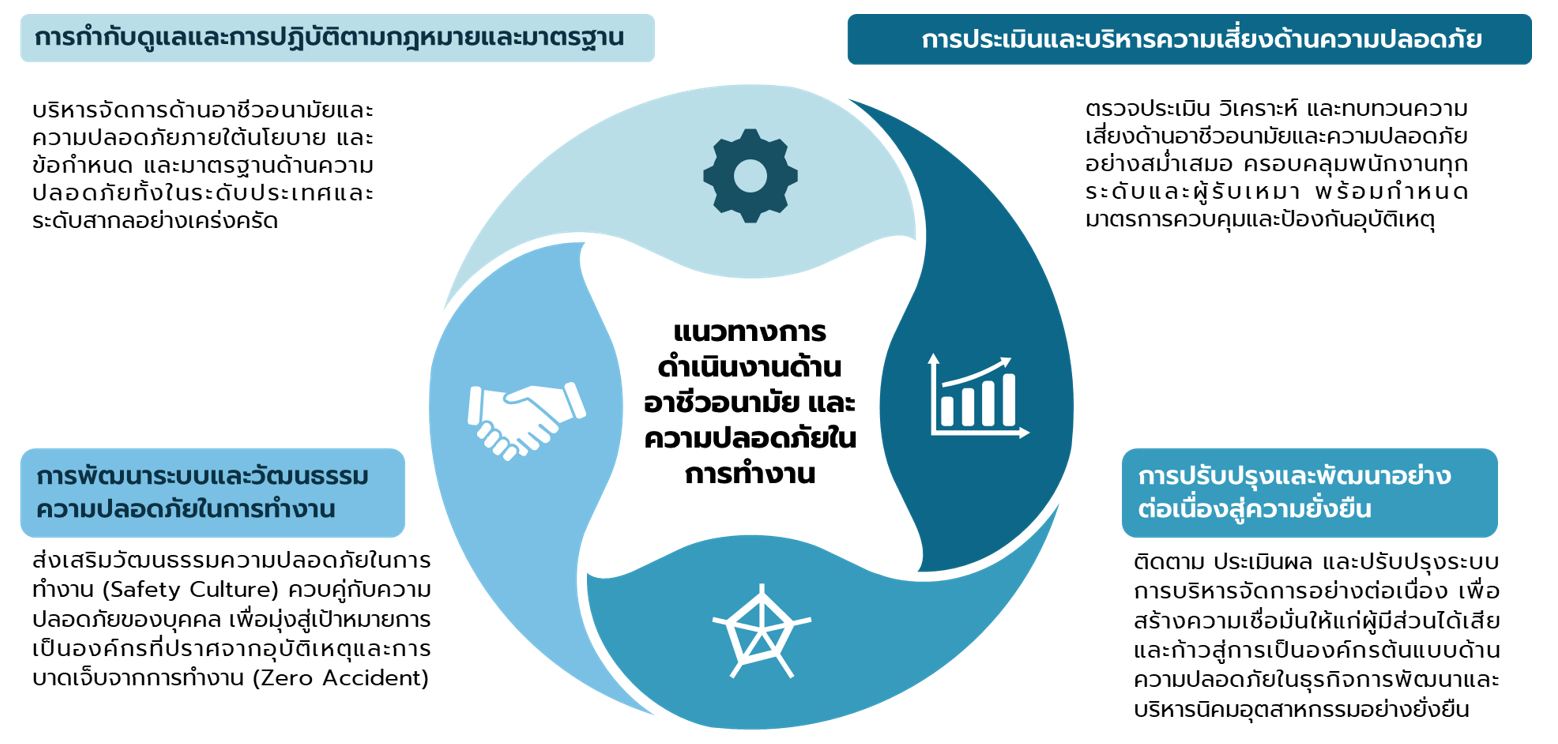
The Company strives to elevate OHS management to prevent accidents, reduce operational risks, and create a safe working environment for all stakeholders, with key strategies as follows:
Hazard Identification, Risk Assessment, and Risk Management Measures
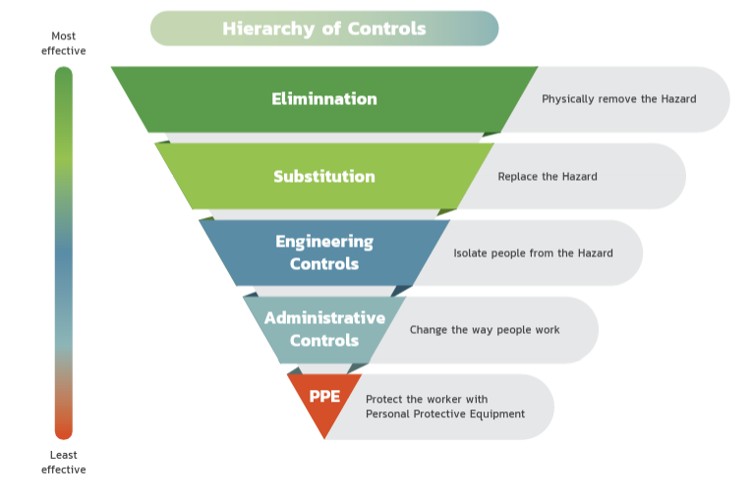
The Company assigns professional safety officers to identify hazards and assess operational risks using Total Quality Control and Management (TQC) alongside the enterprise risk management manual. Risk control measures are established according to job characteristics and risk levels, covering current operations as well as new projects, project expansions, changes to work processes, machinery, equipment, or other significant activities prior to implementation, in order to identify hazards and assess potential occupational health and safety impacts from the planning stage, communicated to all workers, and monitored through on-site inspections and post-work reviews. Risk control measures follow the Hierarchy of Controls principle covering various levels as follows:
OHS Risk Assessment Results in 2025
The 2025 OHS risk assessment identified potential hazards including fire, flooding, and electrical system accidents. However, no high-consequence work-related injuries were found in 2025. The Company has implemented risk control and prevention measures for each activity as follows:
| Risk | Risk Level | Risk Factors/Causes | Prevention and Control Measures |
|---|---|---|---|
| Fire | High |
|
|
| Flooding | High |
|
|
| Electrical Accidents | High |
|
|
| Evacuation Safety | High |
|
|
Incident Reporting and Investigation
The Company applies Incident Reporting and Investigation principles to systematically manage safety and OHS issues within the industrial estate. Incidents, accidents, and Near Misses are reported through designated channels for continuous analysis and monitoring. Investigations identify Root Causes and risk factors, leading to appropriate Corrective and Preventive Actions with close follow-up.
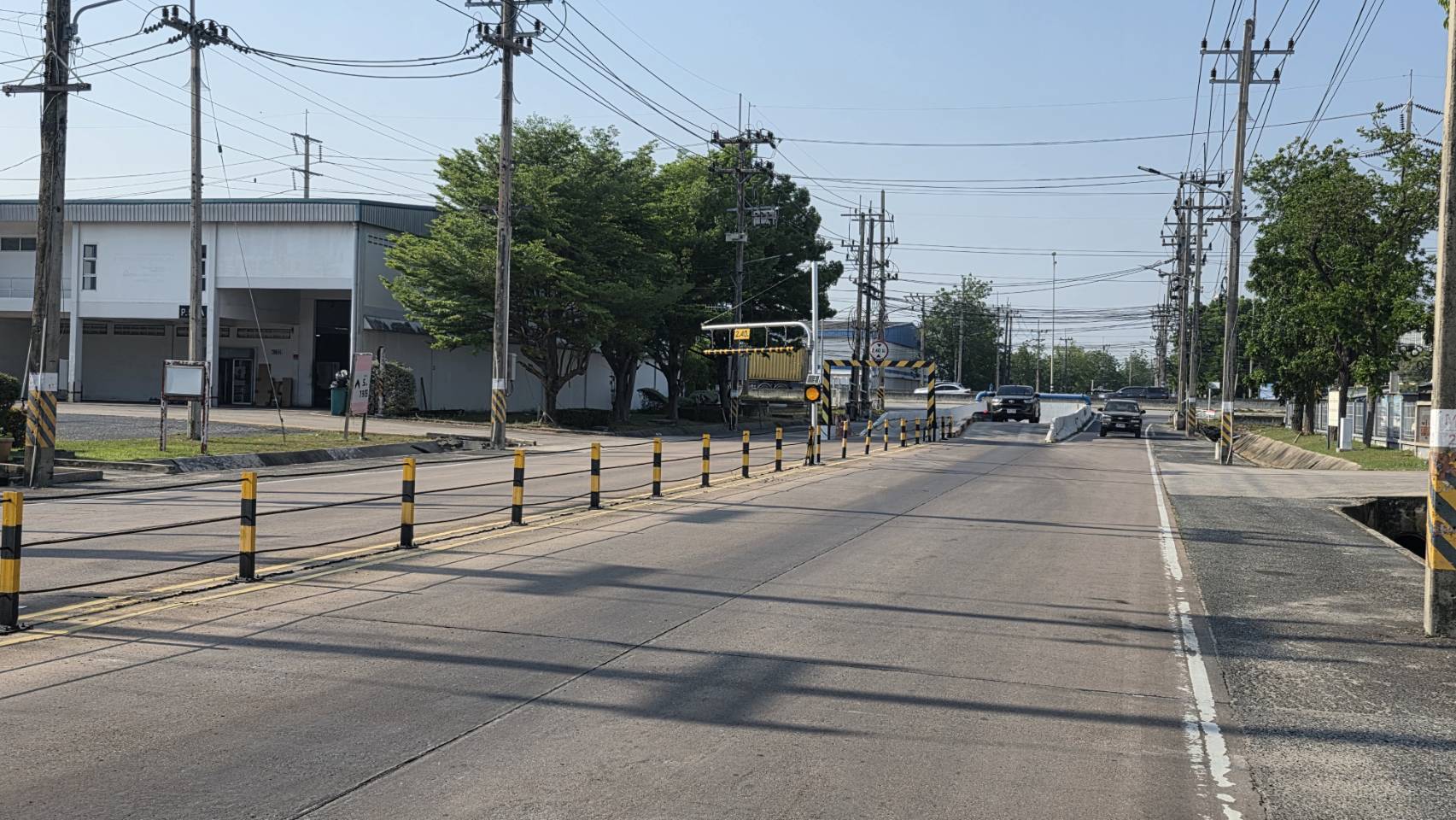
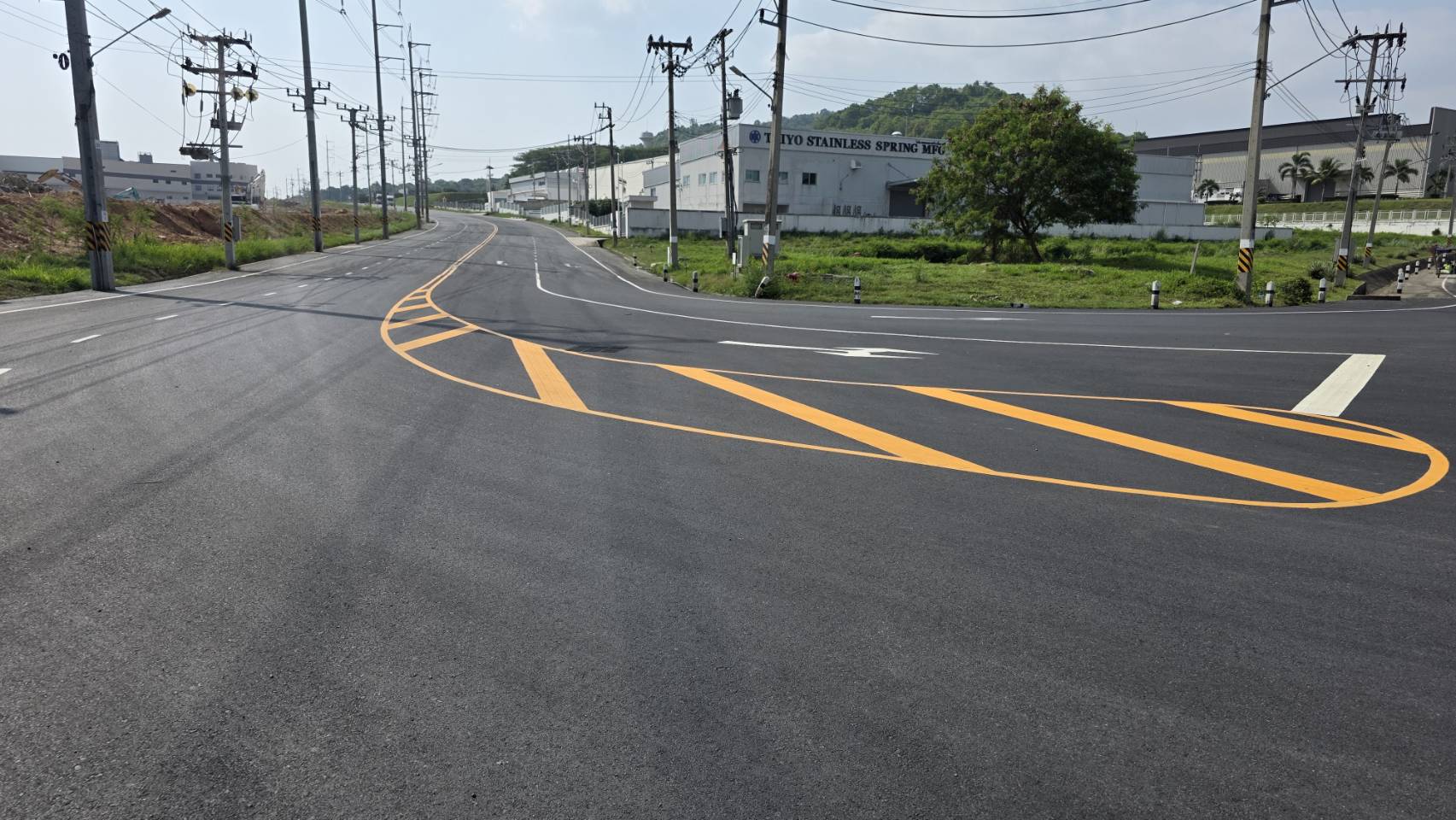
In 2025, no workplace incidents or accidents affecting employee safety were found. Traffic accidents within the industrial estate were reported, such as vehicle collisions and truck overturns. The Company implemented targeted corrective and preventive measures including traffic layout adjustments, one-way routes, warning signs, signal lights, speed tables, visibility improvements, and Safety Alerts communicated through various channels.
Occupational Health and Safety Training
The Company supports OHS knowledge and skill development by providing training for executives and employees at all levels, in accordance with job requirements and legal regulations, to enhance risk management, prevention, and emergency response capabilities.
Annual Fire Drill and Evacuation Exercise 2025
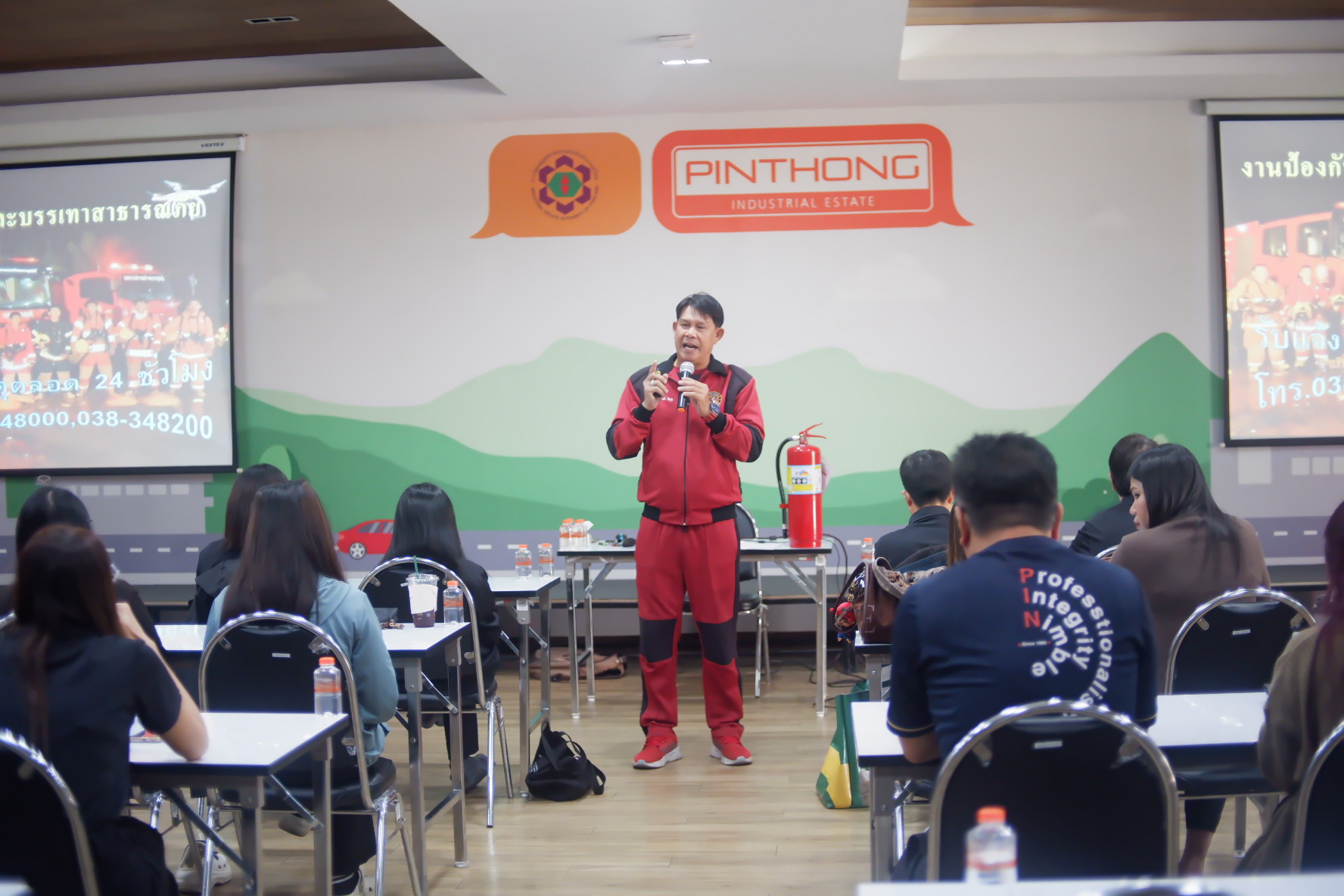
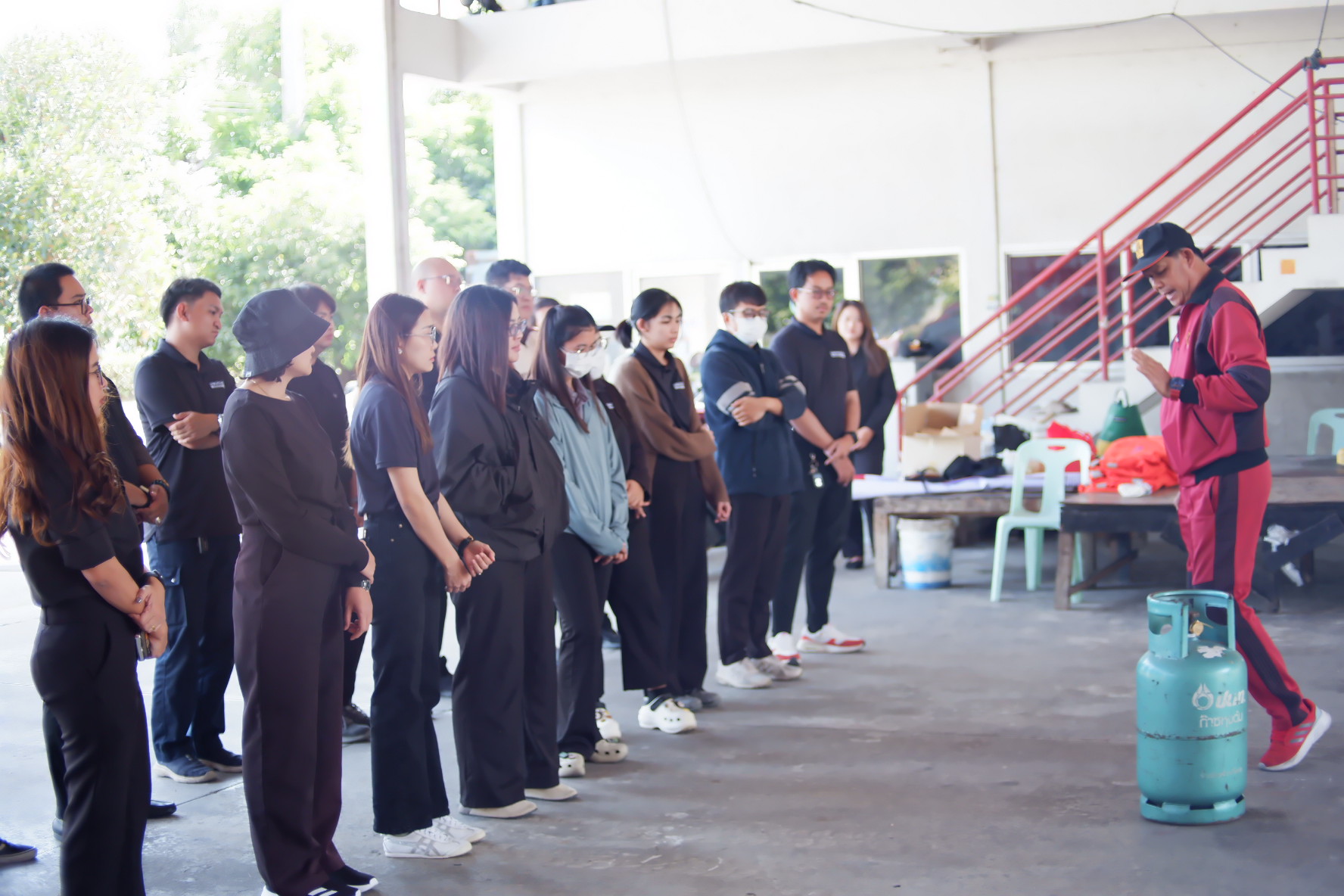
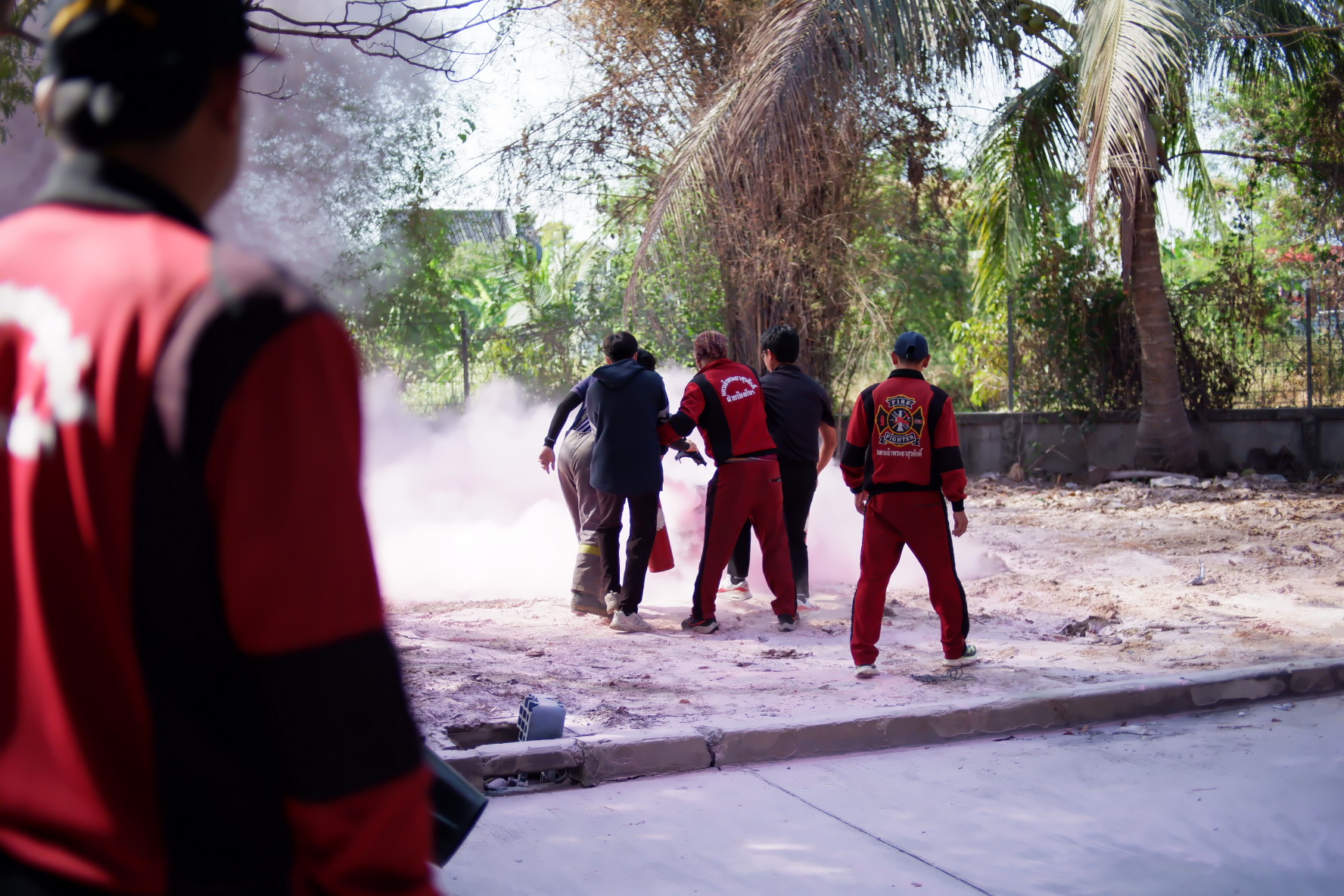
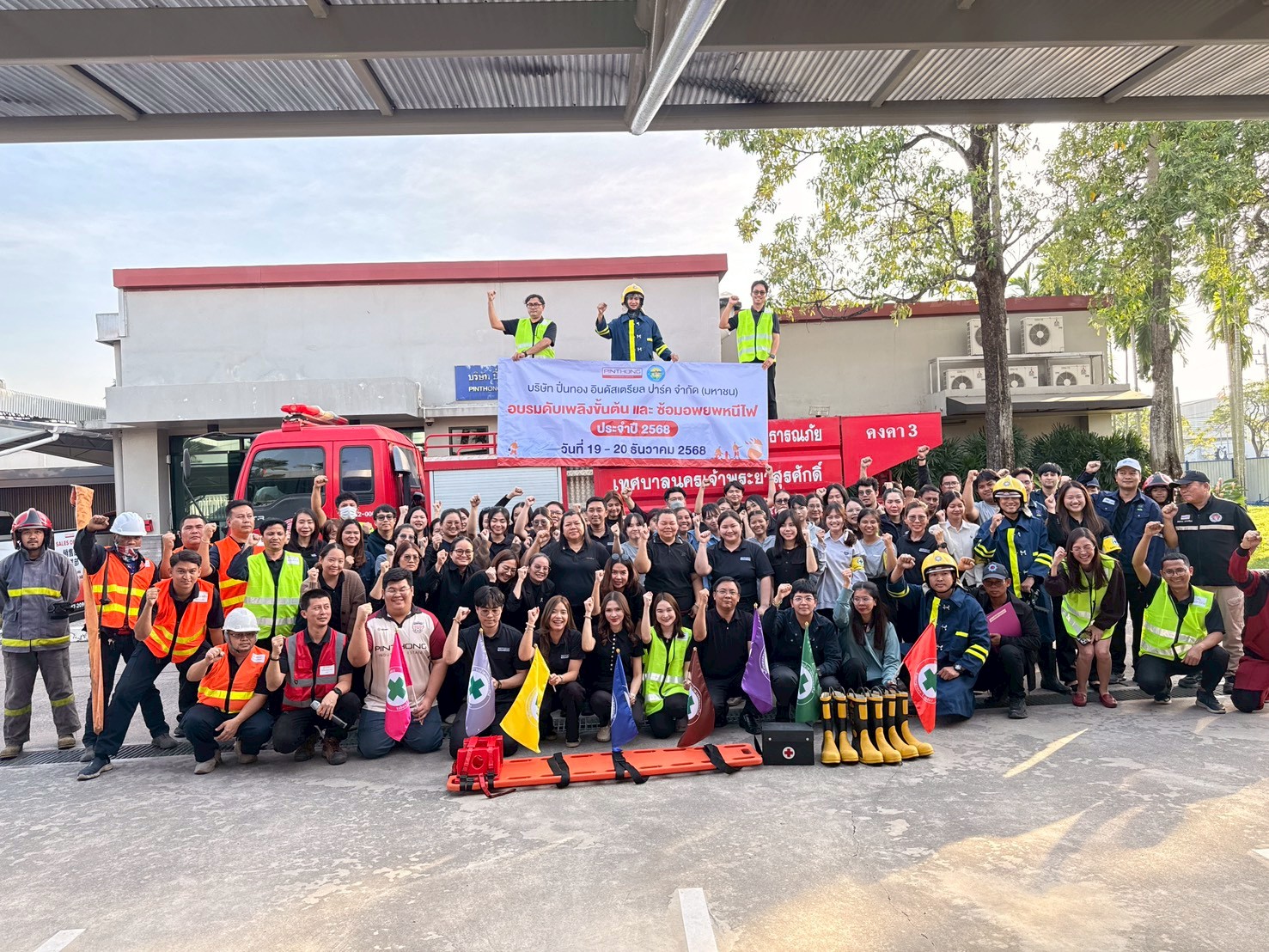
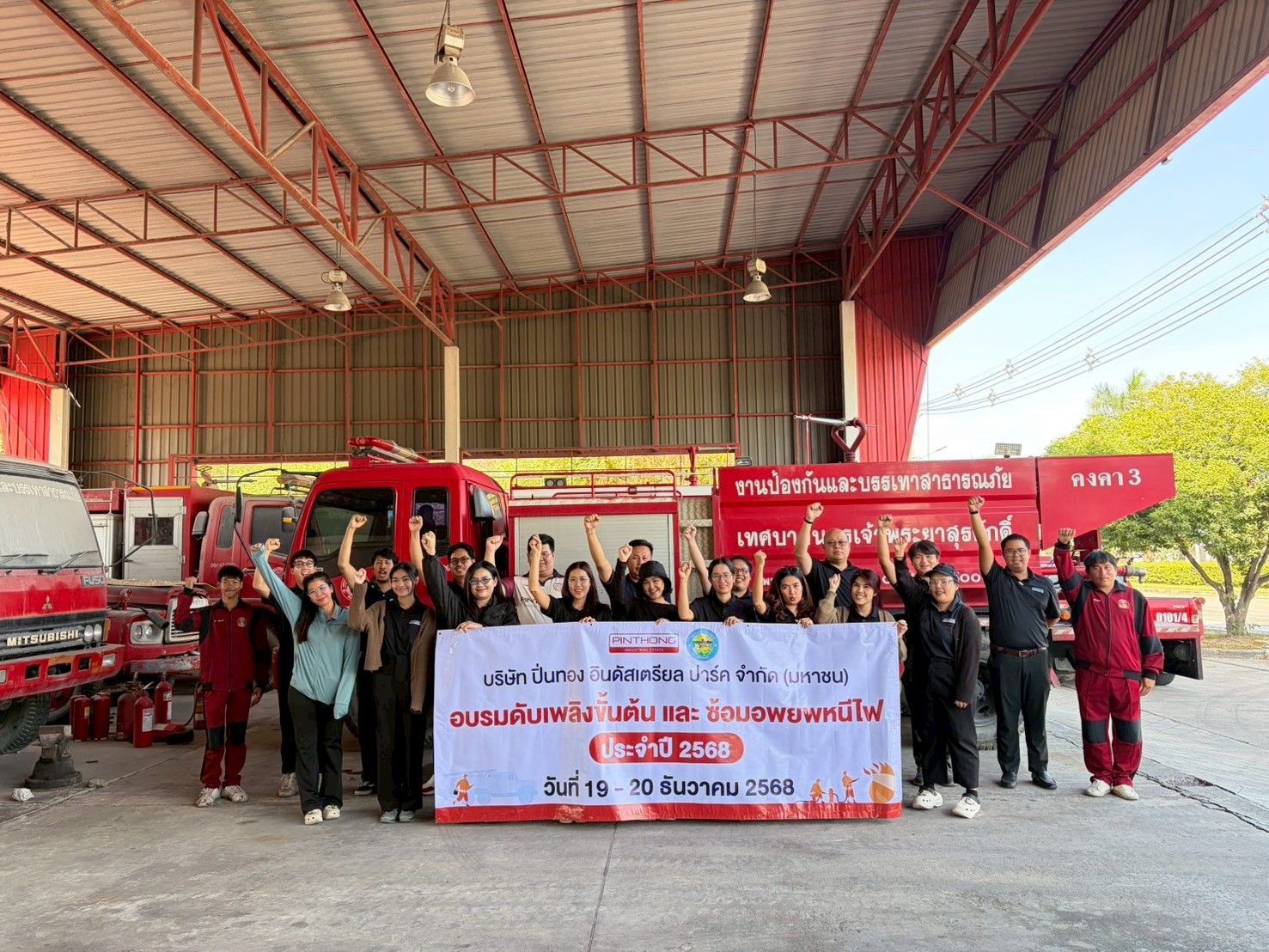
The Company conducted the 2025 annual fire drill and evacuation exercise on 19 December 2025 at the guest house of Pinthong Project 2, with a total of 24 executives and employees participating. Expert instructors from the Disaster Prevention and Mitigation Office, Chao Phraya Surasak Nakhon Municipality, provided theoretical training on fire suppression principles and fire prevention, combined with field practice exercises simulating a water dispenser fire incident to enable employees to learn correct emergency response procedures safely.

Basic First Aid and CPR Training 2025
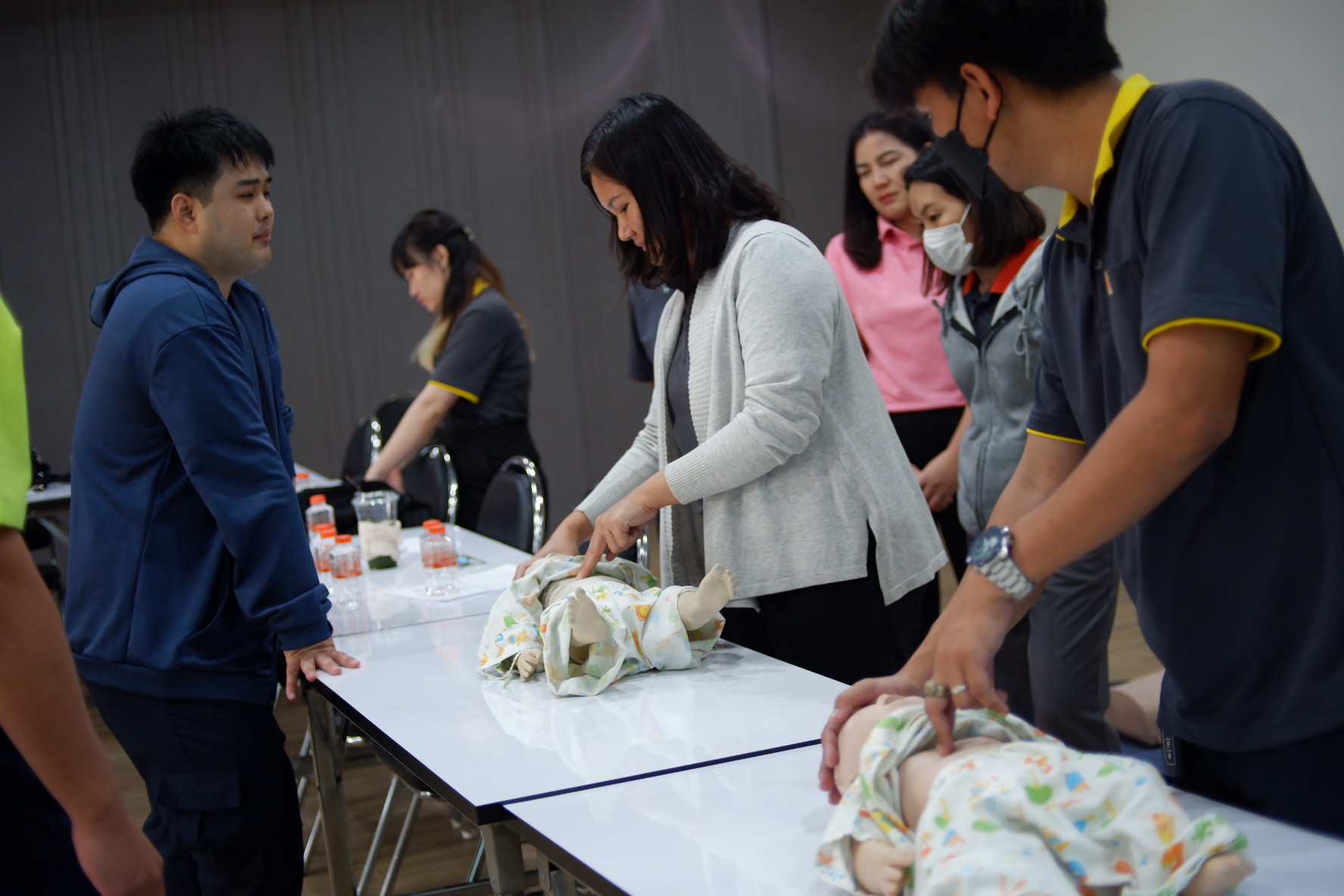
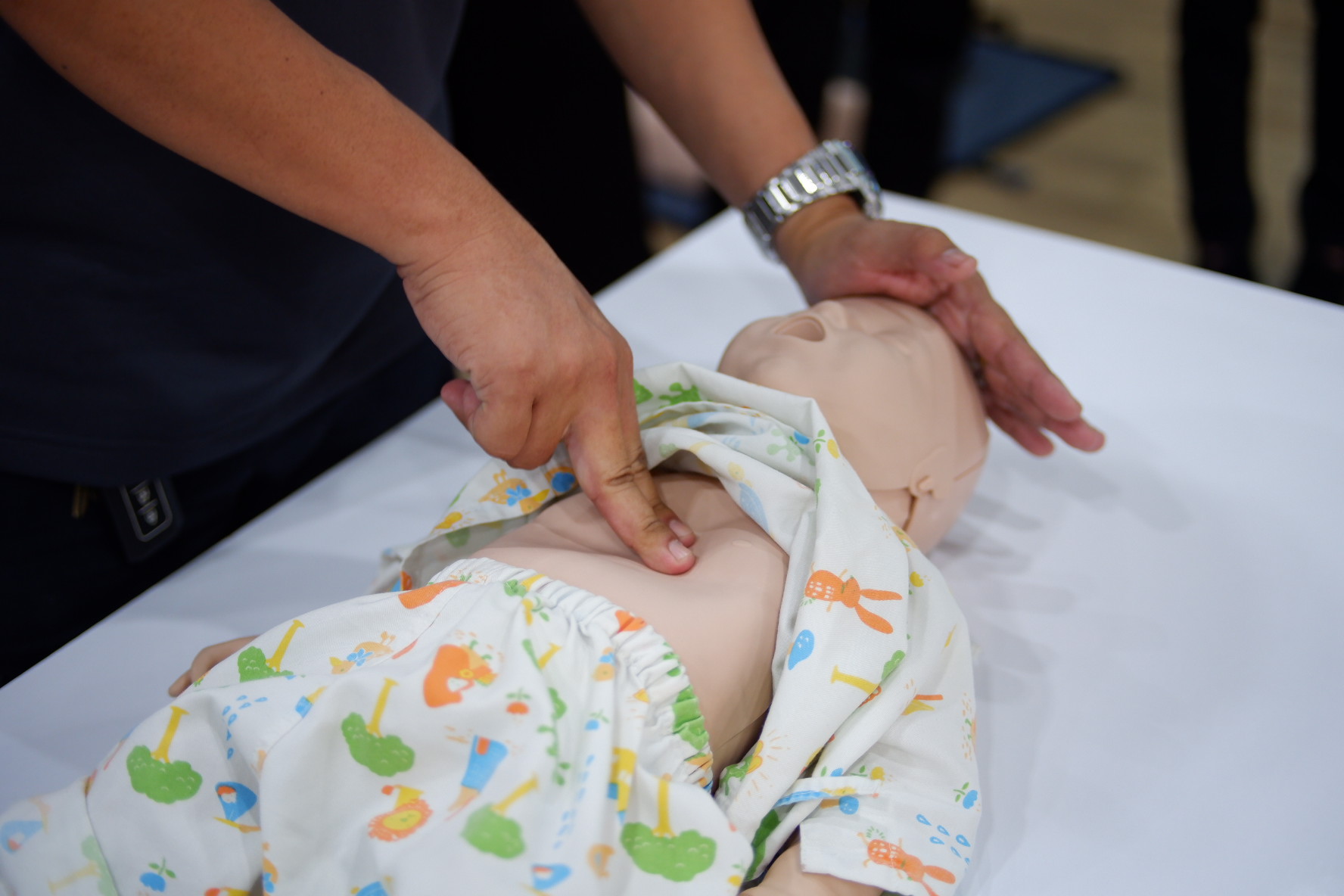
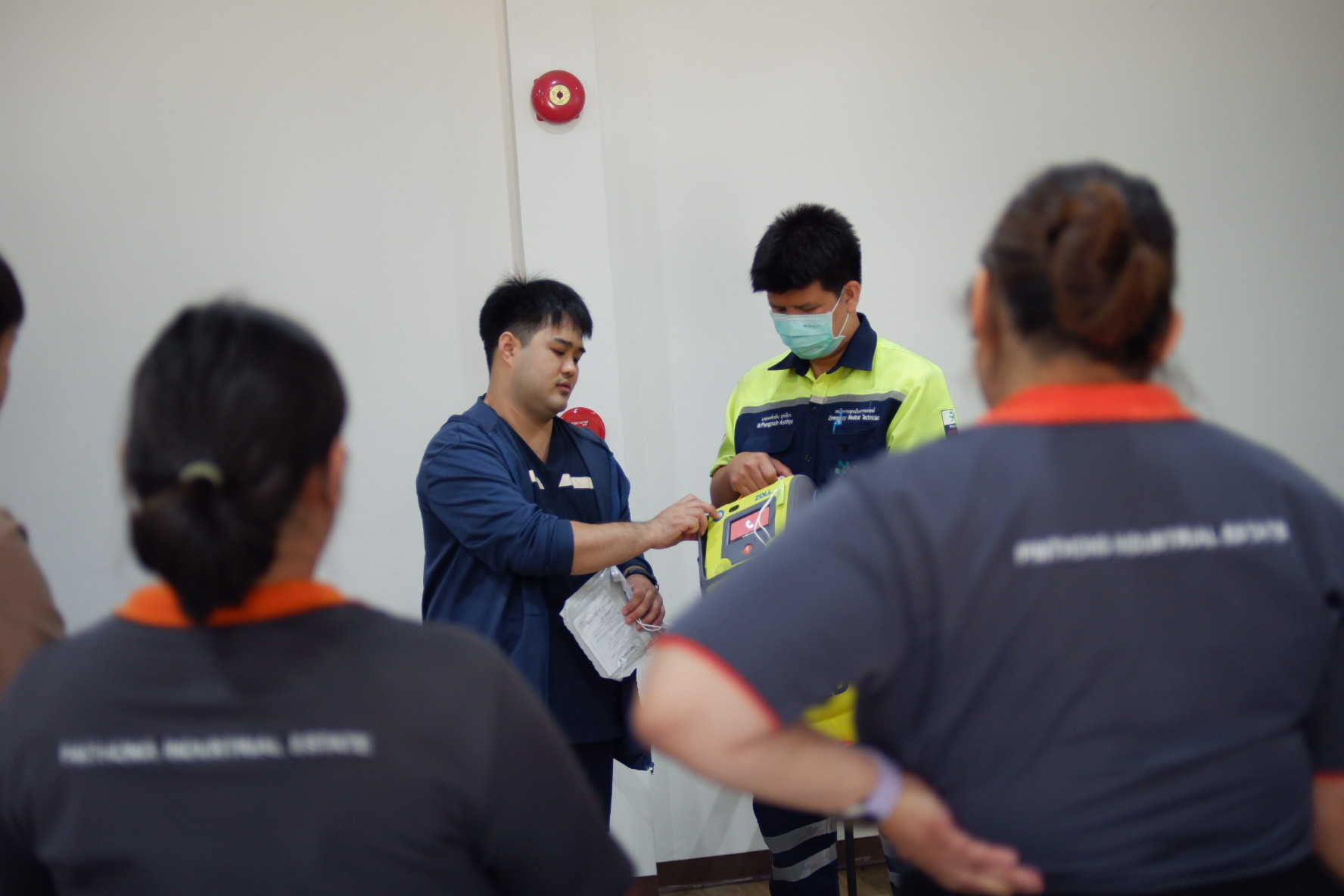
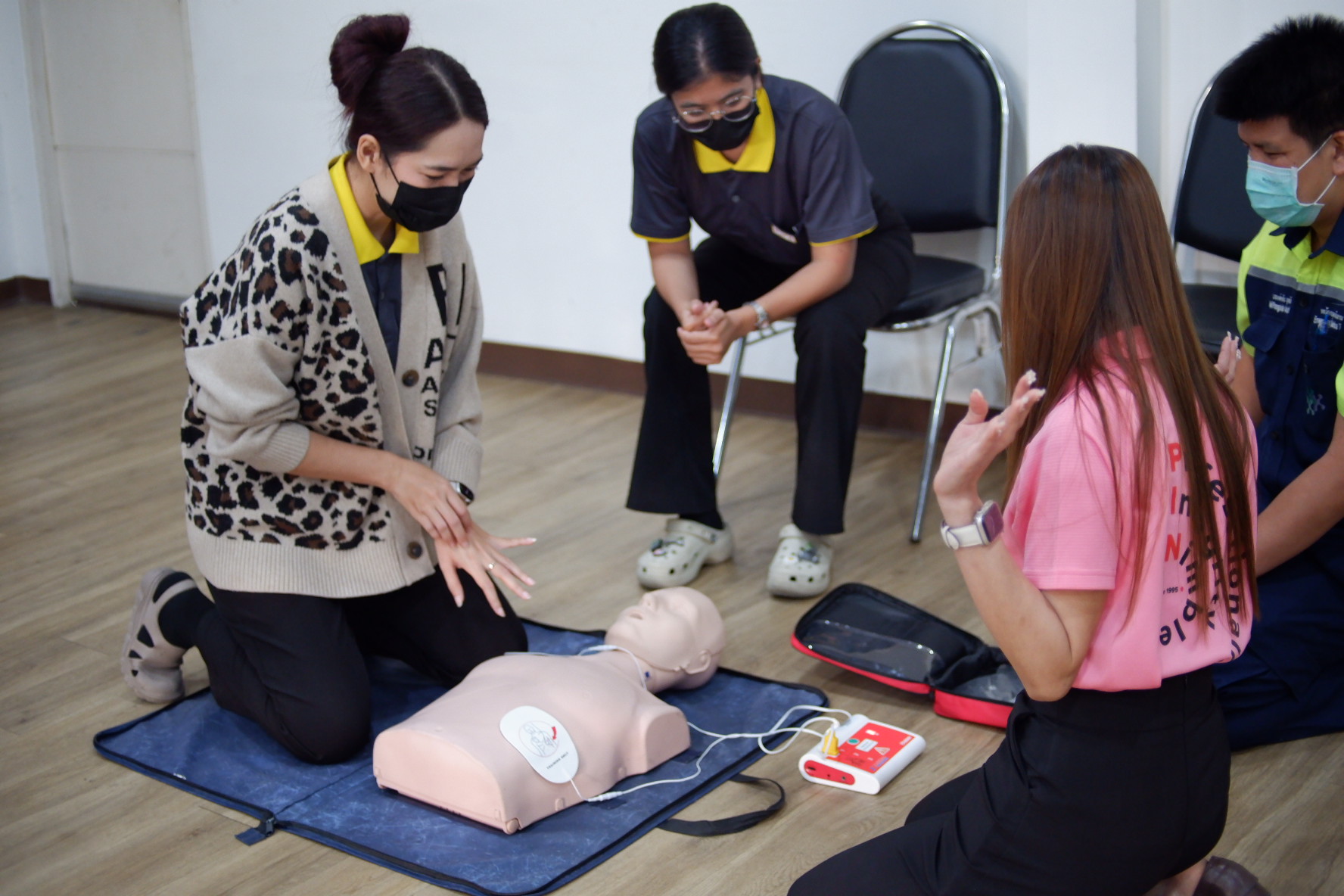
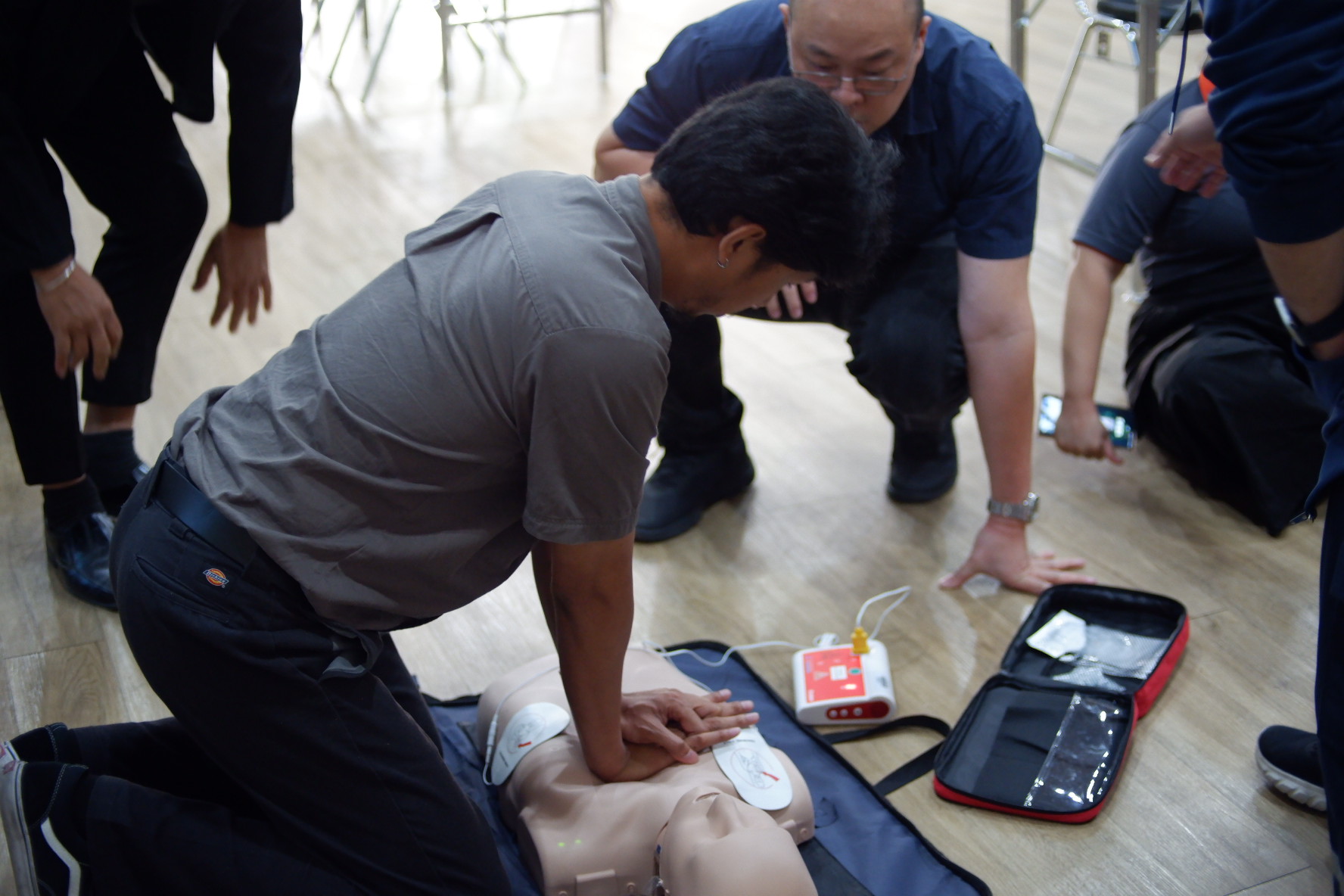
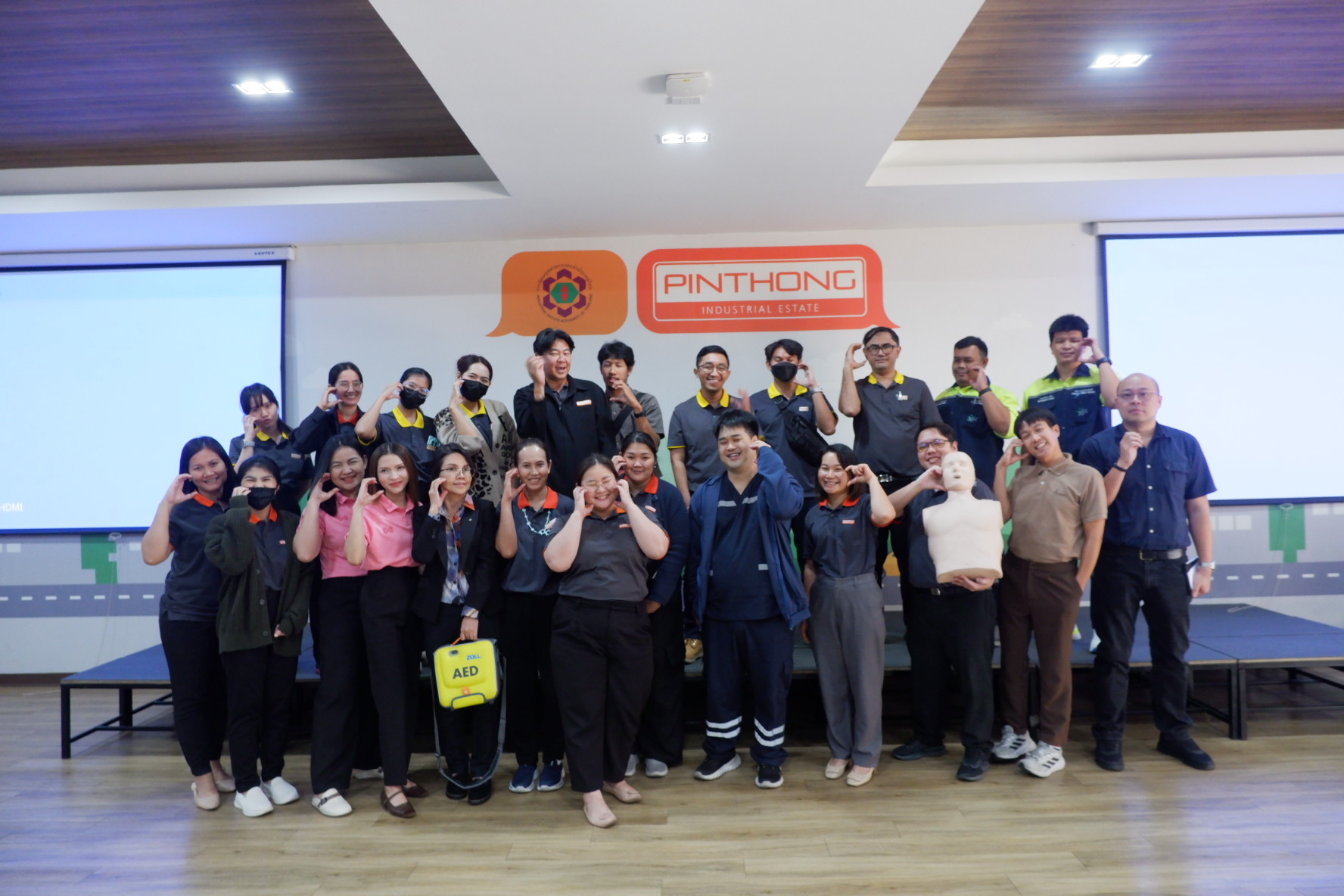
The Company organized basic first aid and CPR training for 25 executives and employees on 21 March 2025 at the guest house of Pinthong Project 2. Expert instructors from Phyathai Sriracha Hospital provided theoretical training on basic first aid principles, causes of emergencies, and prevention guidelines, as well as practical CPR exercises and Automated External Defibrillator (AED) training, enabling employees to apply these skills in real situations.
Work-Related Employee Health Care
The Company places great importance on occupational health and safety management, aiming to reduce operational risks and create a safe working environment for all employees through health surveillance measures, emergency equipment preparation, and appropriate workplace environment control to prevent hazards and reduce the risk of work-related illnesses.
Employee Health Surveillance from Occupational Risk Factors
The Company provides health check-ups for new employees and annual health examinations for all staff, assessed according to job-related risk factors to monitor and prevent potential health impacts from work. Health and illness data are systematically recorded in a dedicated database.
- Pulmonary function testing
- Hearing ability testing
- Occupational vision testing
- Heavy metal screening
In 2025, 84 employees received health check-ups, representing 76.36% of total employees.
Emergency Prevention and Response Equipment Preparation
The Company prepares standard emergency prevention and response equipment and consistently maintains their readiness for use to handle potential emergency situations, including:
- Flood Prevention — Life jackets, rubber rings, emergency team boats, and water pumps to accelerate drainage are provided.
- Fire Prevention and Suppression — Firefighting equipment is provided including fire beaters, water sprayers, fire hoses, and fire trucks.
- Emergency Equipment Training — Provided to relevant employees to ensure effective use of emergency response equipment.
- Emergency Equipment Inspection — To ensure readiness at all times, including restoring affected areas to normal condition as quickly as possible.
The Company conducts equipment readiness inspections regularly, 12 times per year.
Workplace Environment Control and Improvement
The Company regularly measures and assesses the working environment to ensure employees can work in conditions that are appropriate and safe for their health, including:
- Light intensity measurement at 122 work area points, conducted twice per year.
- Installation of air purifiers in meeting rooms and office areas.
Hazard Prevention Equipment and Measures
The Company provides Personal Protective Equipment (PPE), emergency equipment, and first aid kits to workers in accordance with the type and nature of their work, with sufficient quantity and convenient accessibility. Emergency plans for work-related illness cases are also established to enable timely assistance.
Non-Work-Related Employee Health Promotion
Beyond preventing work-related injuries and illnesses, the Company places great importance on employee physical and mental health and quality of life. Efforts are made to create a working environment that promotes well-being, reduces work-related stress, and enables employees to appropriately care for their own health through various activities and measures.
Promoting a Health-Supportive Work Environment
The workplace environment is made pleasant by planting a variety of trees and creating green spaces inside and around the workplace to create a relaxing atmosphere and reduce work-related stress.
Workplace Hygiene and Sanitation
Sufficient medicines and medical supplies are provided for employee use. Continuous cleanliness and hygiene activities are conducted, such as 5S cleaning activities and scheduled mosquito control spraying, to prevent disease spread and maintain a sanitary environment.
Exercise and Health Activity Promotion
Employees are encouraged to exercise regularly. A health park of approximately 3 rai has been established within the company premises for exercise and recreation. The park is also open to employees of nearby companies and residents in the surrounding area to promote community health together, with an average of 600 visitors per month.
Health and Safety Impact Prevention in the Supply Chain
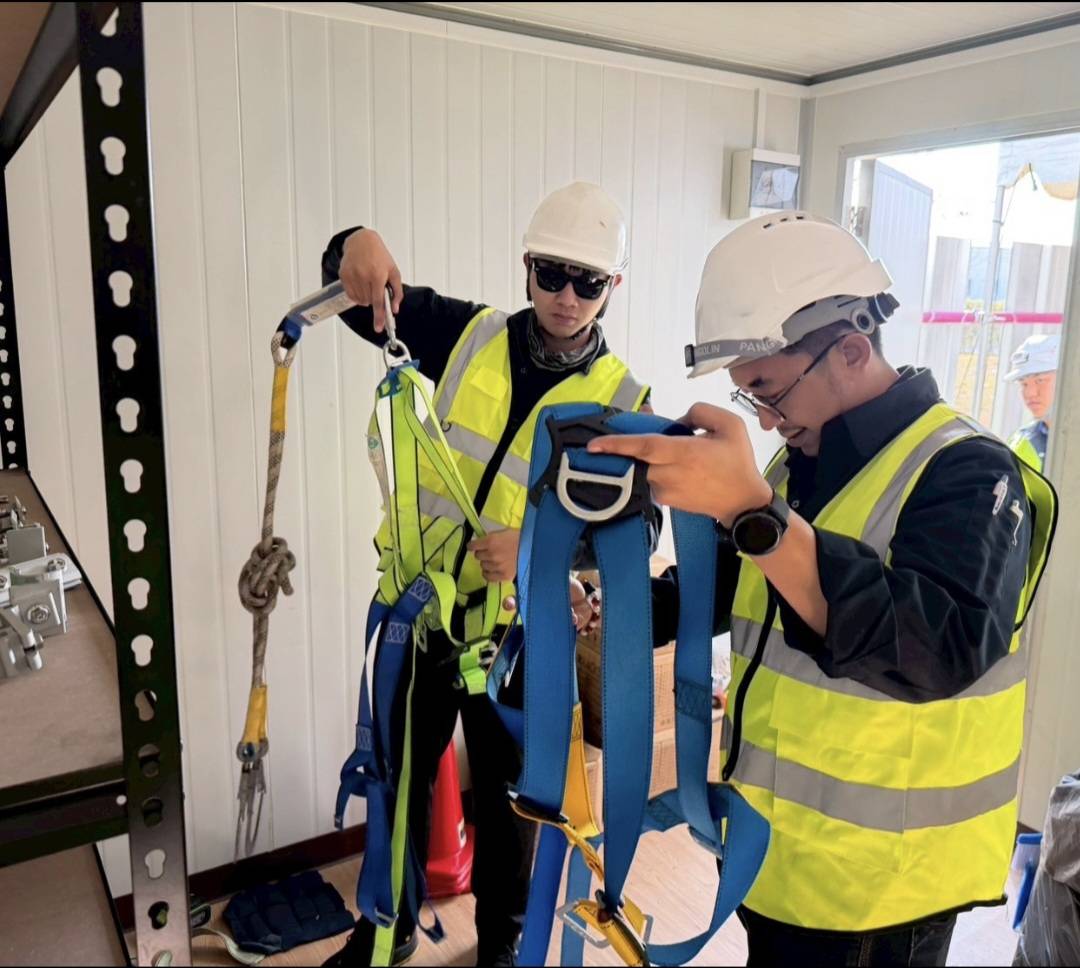
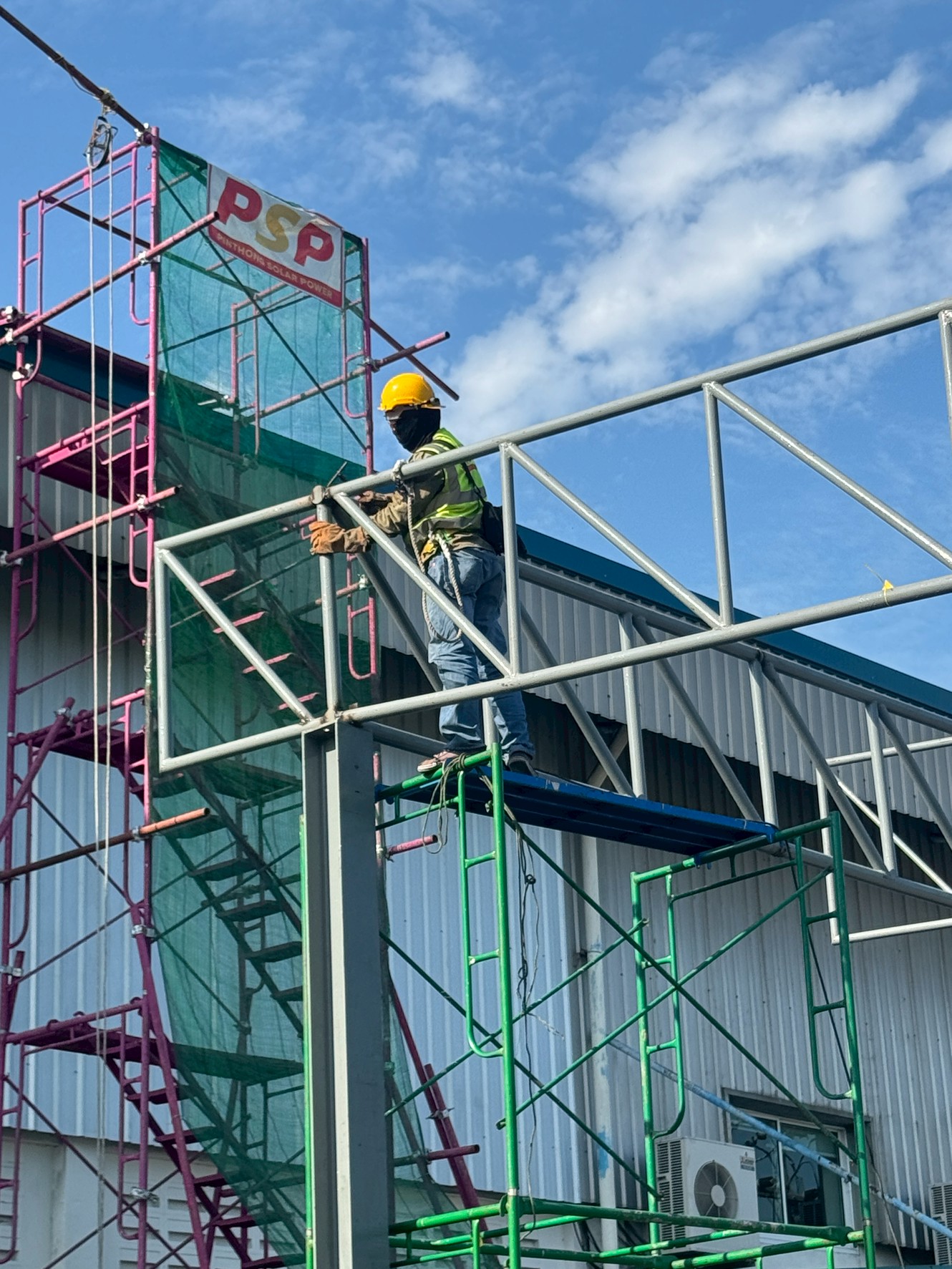
The Company places importance on preventing OHS impacts on contractors, external workers, and operators within its premises by establishing systematic safety control and supervision measures to ensure all supply chain operations meet safety standards, reduce accident risks, and build safety awareness.
OHS Training Before Work Commencement
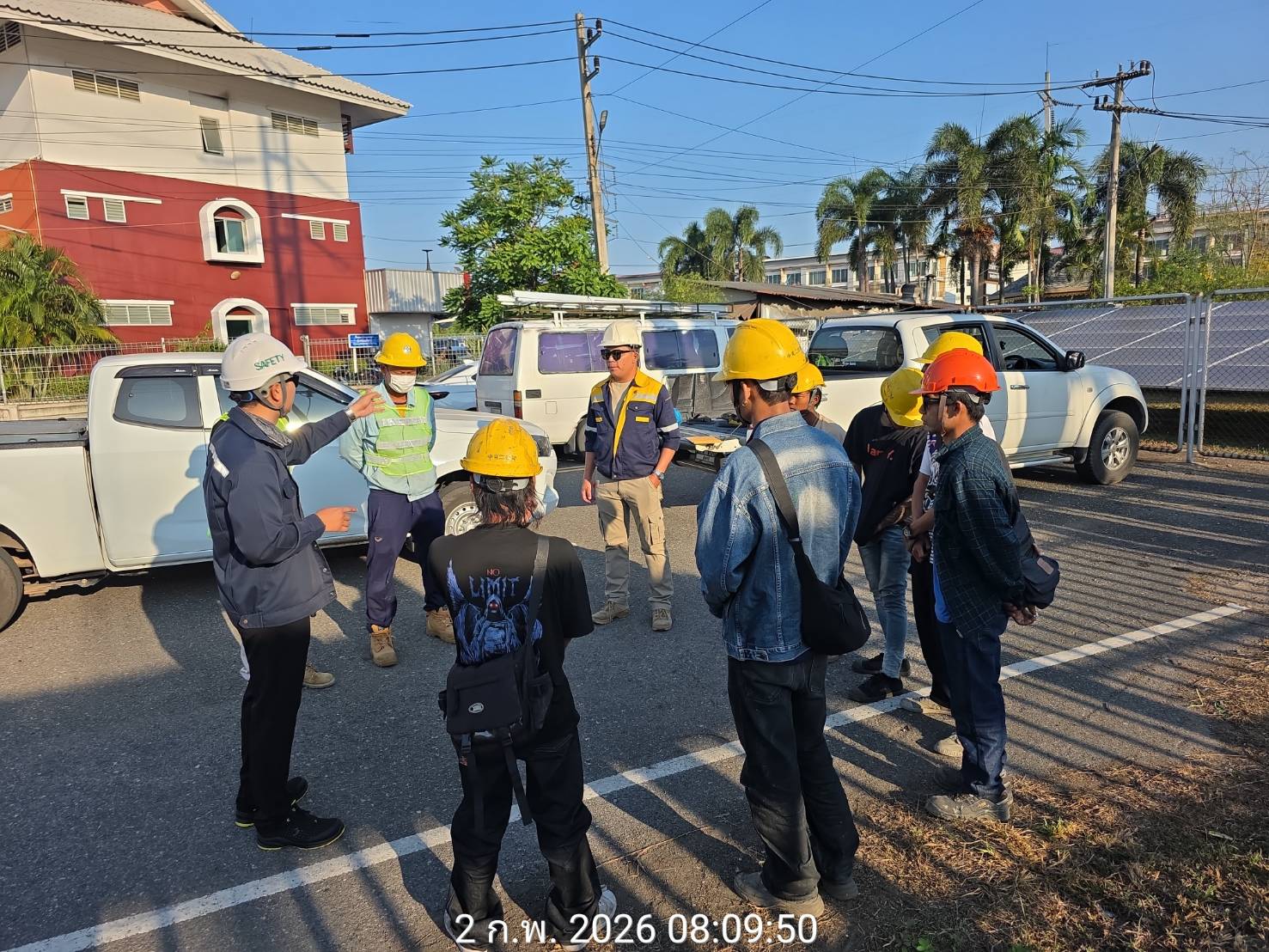
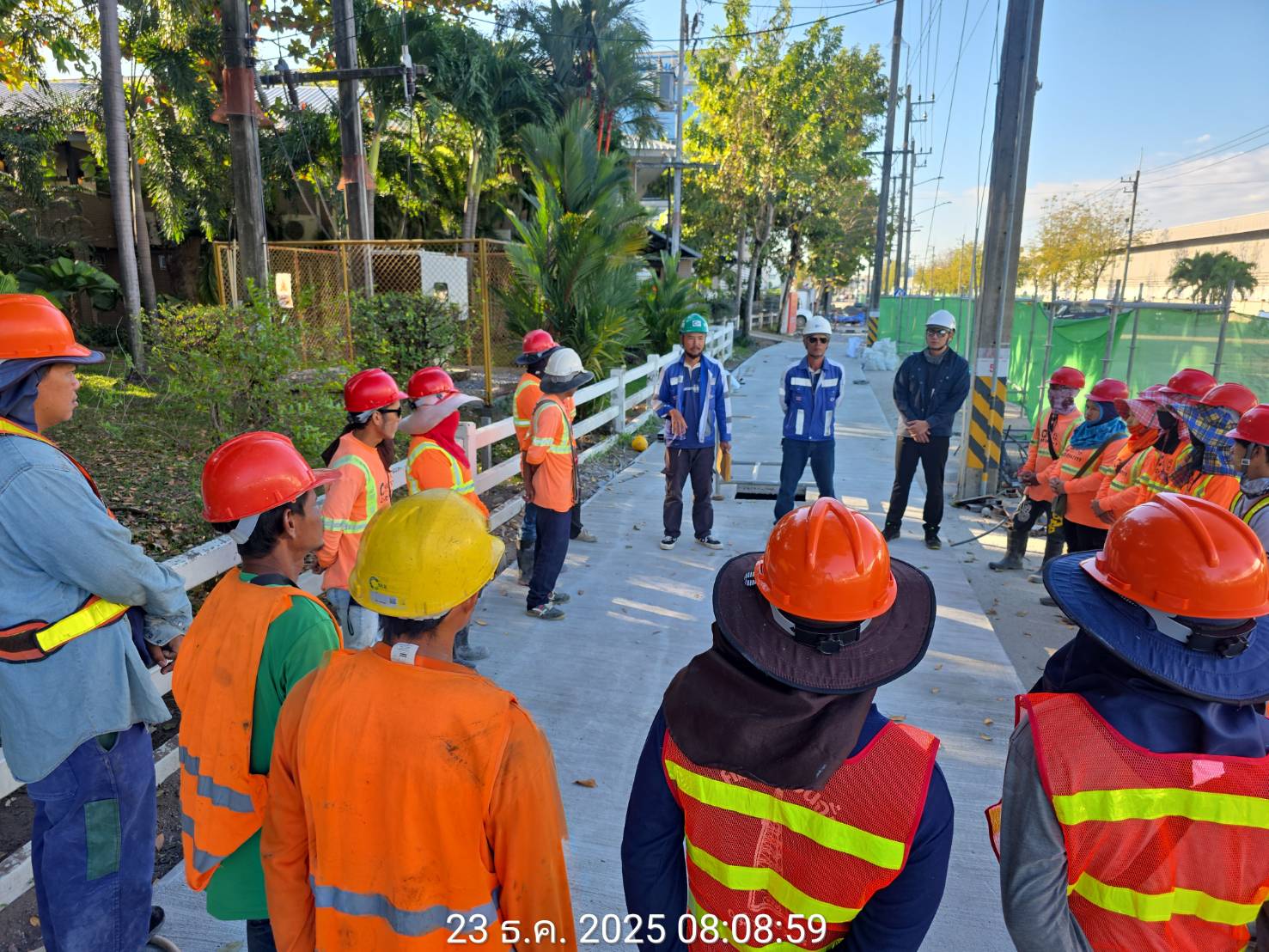
The Company provides OHS training for all 43 contractors before work commencement to build awareness of potential hazards, safe work practices, PPE usage, and compliance with the Company's safety requirements.
Health Screening and Surveillance for High-Risk Workers
The Company requires preliminary health screening for contractors and workers before entering work areas, especially for high-risk tasks involving chemicals or confined spaces. Workers must pass health examinations according to job risk factors and submit results as part of work permit applications.
Safety Standard Compliance Supervision
The Company establishes safety supervision measures before, during, and after operations to prevent violations or substandard practices. Professional safety officers regularly monitor contractor and worker operations to ensure compliance with the Company's safety measures.
Personal Protective Equipment (PPE) Provision
The Company requires contractors to provide and ensure their workers wear appropriate PPE at all times during work, including safety helmets, safety shoes, safety glasses, and chemical protection suits, to reduce the risk of accidents and work-related injuries.
Infrastructure and Utility Development for Operator Safety
- Improve traffic accident risk spots (Black Spots) within the industrial estate by surveying and analyzing intersections with limited visibility, U-turn points, and heavy truck traffic areas, adjusting traffic layouts, eliminating unsafe U-turn points, establishing one-way routes, and improving roads for large vehicles.
- Promote and guide operators to adopt lower-risk technologies, materials, or systems through approval criteria, engineering advice, and infrastructure development.
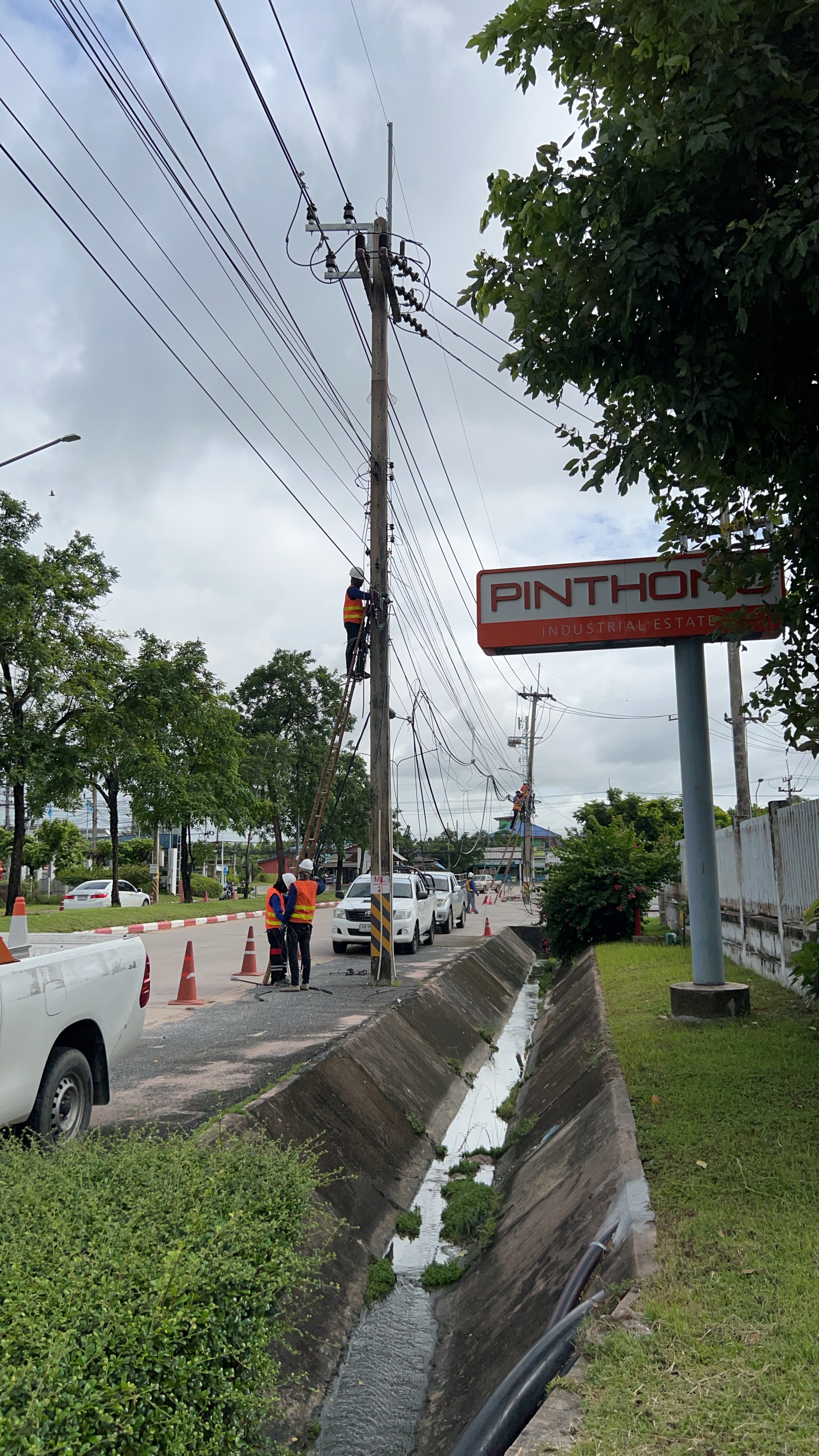
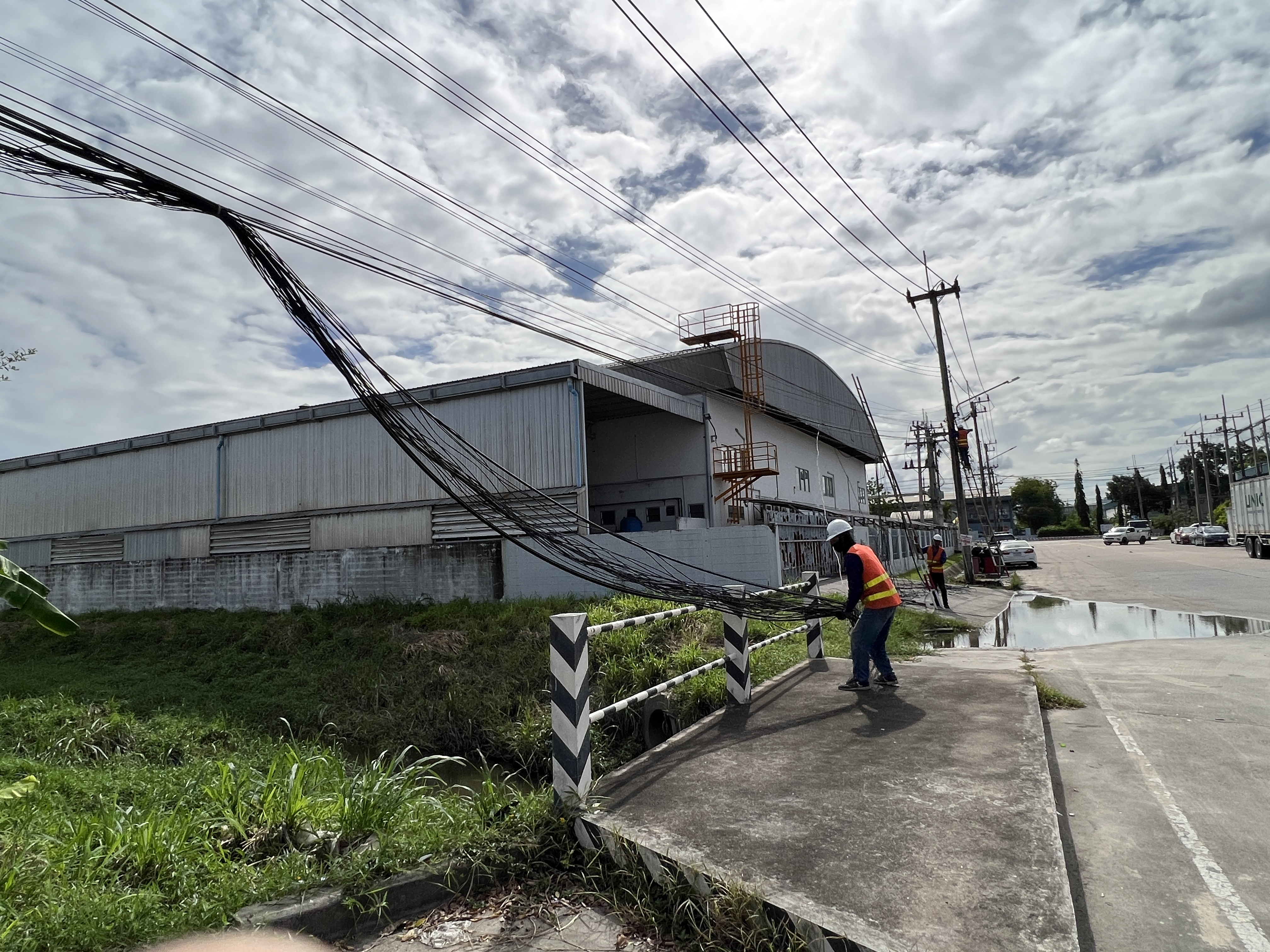
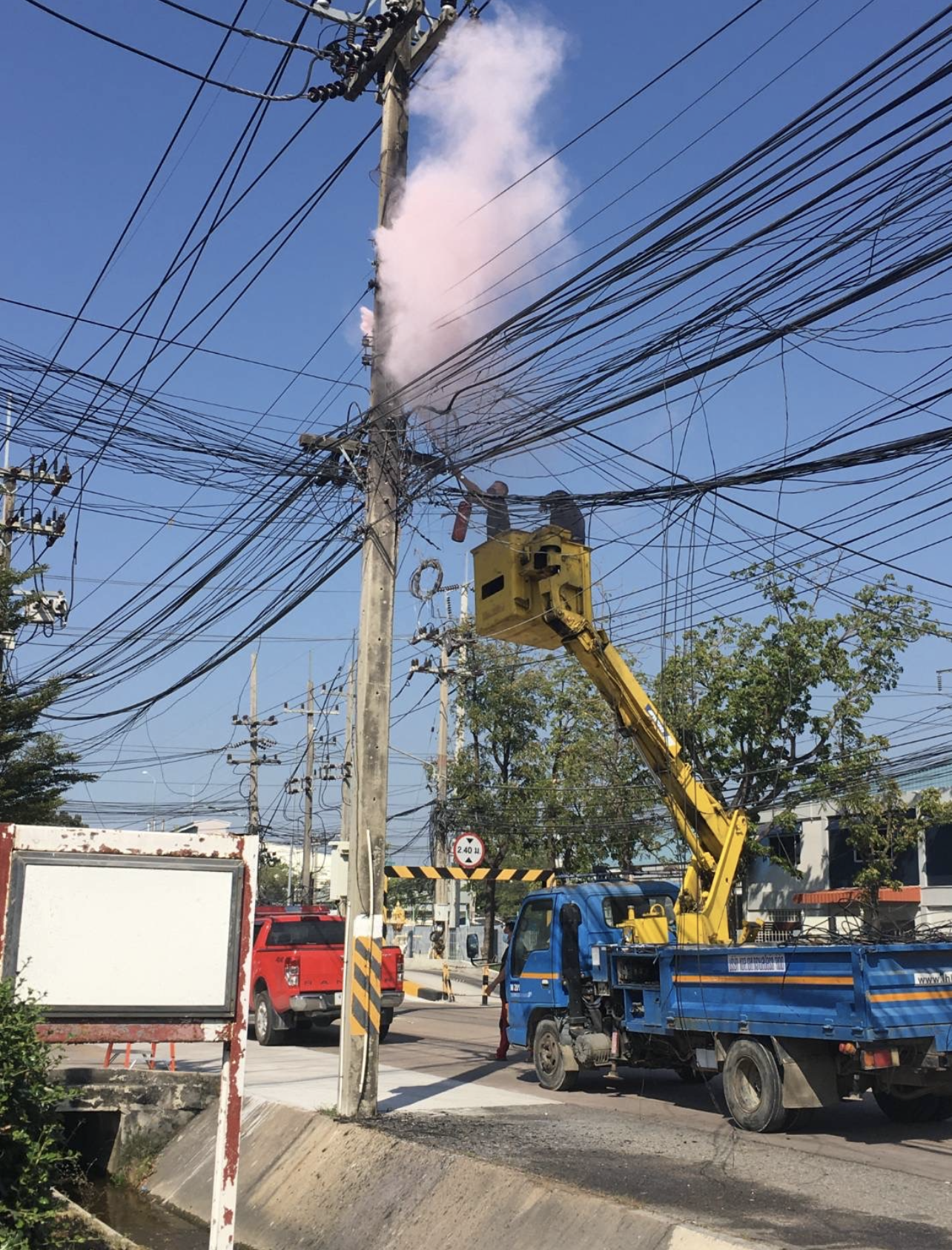
- Upgrade communication cables from overhead to Underground Fiber Optics System in Projects 1-6, reducing fire risks from damage or short circuits and accidents from cable snagging by trucks or machinery.
- Install Smart Water Management System with Retention Ponds, adequate drainage systems, and real-time water level sensors with early warning systems to control flood risks and prevent property and operational damage.
Employee Participation and Safety Culture Promotion
The Company aims to build a safety culture within the organization, encouraging employees at all levels to recognize that safety is a shared duty and responsibility, and to actively participate in driving safety policies into actual practice.
Safety Information Communication
The Company continuously communicates safety information, news, and guidelines to employees through various channels to raise awareness and promote safe work practices, including:
- Dissemination of occupational safety information via email.
- Pre-work employee meetings such as Morning Talk activities to review precautions and safe work guidelines before starting high-risk tasks.
The Company's OHS management system covers 110 employees (100% of total employees) and 4 contractors under supervision (100%). In 2025, no cases of work-related fatalities, permanent disabilities, or work-related illnesses were found for both employees and contractors (0 cases), reflecting the effectiveness of the Company's continuous OHS measures including operational risk assessment, PPE provision, workplace environment control, and systematic worker health surveillance to prevent accidents and work-related illnesses.