Customer & Product Responsibility
Elevating service quality, safety, and customer satisfaction sustainably
Customer & Product ResponsibilityMateriality Level : High




Targets & Performance
| KPI |
Long-term Target 2030 |
Target 2025 |
Performance 2025 |
|---|---|---|---|
| Customer satisfaction score from IEAT survey | More than 90% | More than 85% | 90.25% |
| Average employee service quality score | More than 90% | More than 85% | 94.70% |
| Average utility service quality score | More than 85% | More than 80% | 86.00% |
| Average common area service quality score | More than 85% | More than 80% | 82.80% |
| Proportion of customer requests resolved within deadline | More than 95% | More than 80% | 80.4% |
Risks & Opportunities
If the quality management of utilities, infrastructure, and support services fails to meet standards — including a lack of emergency response measures for environmental incidents or accidents from operators in the area, inadequate personal data protection, or inaccurate or untimely communication — it may affect the continuity of customers' business operations, leading to production disruptions, property damage, legal risks, damage claims, delayed new investments, and increased costs, all of which may affect the Company's competitiveness and revenue stability.
At the same time, elevating safety standards, utility system stability, and customer data protection strengthens the industrial estate's competitive potential, supports attracting high-value target industries such as advanced technology and low-carbon industries, and extends to new business opportunities such as clean and renewable energy project development — to meet the needs of modern operators who prioritize sustainability and environmentally friendly business operations.
Strategy & Management
The Company is committed to conducting business with responsibility toward customers and products, recognizing that the quality of the industrial estate area, utilities, and support services directly affects customer operations and stakeholder confidence. Relevant policies have therefore been established as a governance framework to elevate operational standards, including: the Code of Conduct, Information Security Policy and Practices, Personal Data Protection Policy and Personal Data Management Guidelines (PDPA), and the Information Disclosure Policy — to ensure operations are transparent, secure, and auditable.
Delivering standard-quality real estate products and services is a core commitment of the Company — meeting customer expectations by providing accurate, complete, and non-misleading information; communicating and serving with courtesy and reliability; prioritizing safety at every step; maintaining an appropriate and timely complaint response system; respecting and protecting customer confidentiality; strictly adhering to contract terms; conducting business at appropriate costs while maintaining international quality standards; and upholding ethical principles by not soliciting, accepting, or offering improper benefits — to build customer satisfaction, confidence, and strong relationships.




Governance Structure
To ensure that operations proceed efficiently and systematically, the Company designates the Customer Relations Department as the unit responsible for customer responsibility — receiving service complaints and forwarding complaint issues into an online complaint tracking system, so that responsible units can resolve problems and notify complainants of resolution outcomes in a timely manner.
For cases involving more complex problem resolution than usual, or resolution that does not meet the defined timeframe, the Customer Relations Department must escalate the matter for follow-up at the Management Committee meeting to reach a joint resolution. The Company also mandates a standing agenda item to report complaint summaries for each service area — along with satisfaction assessment results — to the Board of Executive Directors chaired by the Chief Executive Officer, to consider and assign policies for customer relations operations and service complaint resolution at least once per month, and to conduct service satisfaction assessments at least twice per year, as shown in the table of responsible units related to customer care quality and service standards.
| Responsible Unit | Roles & Responsibilities |
|---|---|
| Board of Executive Directors |
• Define policies and oversee operations related to customer and product responsibility
• Consider resolution of complaints that are more complex than usual, do not meet the defined timeframe, or involve financial matters
|
| Customer Relations Department | Receive service complaints |
| Environment & Water System Department | Responsible for service quality of products, tap water / industrial water treatment |
| Safety & Utilities Department | Responsible for service quality of central utility systems |
| Maintenance Department – Building Division | Responsible for service quality of rental factory buildings |
| Energy Business Development Department | Responsible for service quality of renewable energy electricity distribution |
The Company places importance on delivering quality and safe products and services under international standards, alongside developing products and services through the application of technology and operational approaches that create new business opportunities — integrating sustainable management concepts into operational processes across all dimensions, with the following operational approaches:
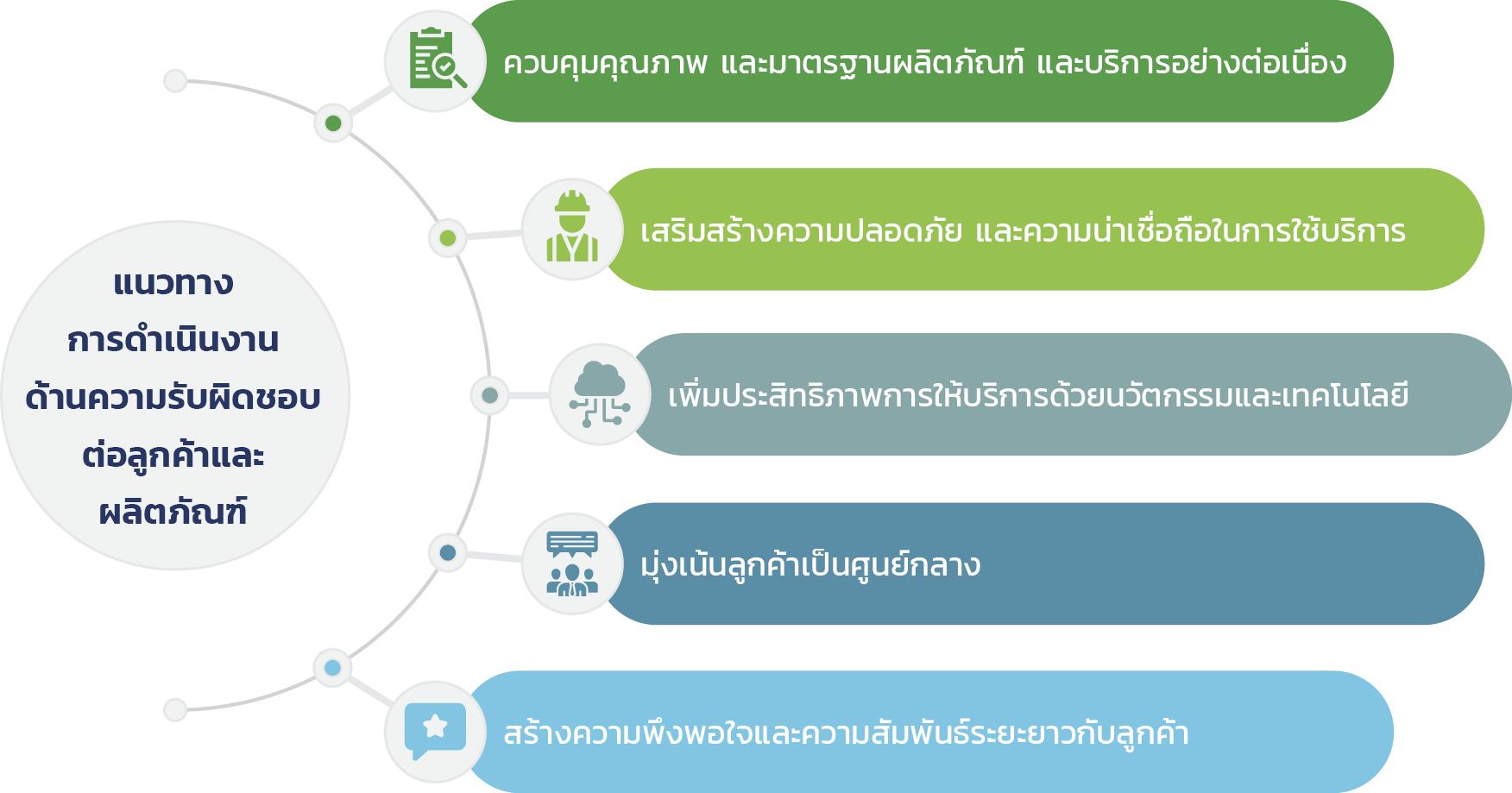
Product & Service Quality Control and Standards
The Company establishes systematic quality and safety control guidelines for products and services, adhering to legal requirements, international standards, and customer needs — to ensure that what is delivered is quality, verifiable, and does not impact service users or the environment. Industrial estate development is carried out in accordance with the Industrial Estate Authority of Thailand's standards, alongside project development under Environmental Impact Assessment (EIA) reports and EIA measures. Industrial water supply production references tap water quality standards, with water quality analysis conducted by laboratories registered with the Department of Industrial Works, including building and asset condition inspections by specialized external inspectors — to control service quality across all dimensions.
The Company has been certified and implements ISO 9001 Quality Management System (QMS) and ISO 14001 Environmental Management System (EMS) as mechanisms to control operational processes — ensuring quality, product and service standards from project design and development, construction and utility system installation, customer service, through to after-sales care. Environmental quality monitoring under EIA measures is conducted at least twice per year, and tap water and wastewater quality is regularly assessed by external agencies to ensure operations meet defined criteria.
In terms of continuous improvement, the Company establishes processes to collect and analyze data from customer complaints and satisfaction surveys — to review service efficiency, define corrective approaches, and develop preventive measures to avoid recurrence. External monitoring results are also used as input for improving operational processes. The Company's quality control process therefore spans from standard-setting, operational control, internal and external inspection and verification, through to continuous improvement — elevating product and service quality and safety to meet standards and respond to long-term customer expectations.
Enhancing Safety and Reliability in Services
The Company prioritizes enhancing safety and confidence in the services used by operators within the industrial estate by systematically integrating the safety risk management of products, services, and infrastructure into the enterprise risk management process. The Company therefore identifies the continuity of utility services and the safety of service users as a Key Risk, accompanied by regular assessments, monitoring, and reporting. In 2025, no severe (Extremely High) disruptions of utility systems occurred, and the Company maintained System Availability throughout the entire service period.
The Company has established preventive measures and emergency response plans for situations that may impact customer operations, such as the Business Continuity Plan (BCP) for fire hazards within the industrial estate. Regular joint emergency drills are conducted with local operators. In 2025, 5 emergency drills were held with 1,500 participants, successfully controlling situations within defined timeframes at 100%.
In communication, the Company focuses on accurately, clearly, and transparently disclosing safety data, service terms, and related restrictions to customers via the new customer service manual, LINE Official Account, and human resources administration groups of Pinthong Industrial Estate to ensure customers receive essential information promptly. Advance notices of events or activities potentially affecting service are provided at least 7 days prior. The customer acknowledgment rate through primary communication channels is 100%, consistently gaining operators' confidence. In 2025, no significant complaints regarding the safety of utility systems and infrastructure were found.
Enhancing Service Efficiency through Innovation and Technology
Given the importance of customers' business continuity, the Company is committed to developing innovations and technologies to enhance service efficiency, mitigating risks from disruptions, accidents, and emergencies that may affect life, property, the environment, and the overall reputation of the industrial estate — while also improving the quality of service delivered to customers. Examples of projects already implemented include the following:
Automated Sensor and Internet of Things (IoT) Installation Project for Water Management System
The automated Sensor and Internet of Things (IoT) network installation project for the water management system was developed to enhance efficiency and transparency in utility services. Previous limitations involved gathering water usage and wastewater quality data at intervals, which delayed anomaly detection and incident response.
The Company applied digital technology by installing automated Sensors at key points of the industrial tap water distribution system and wastewater collection system to measure water consumption, flow rate, pressure, and wastewater quality. All data is transmitted via the Internet of Things (IoT) network to a centralized platform and displayed on an Online Dashboard based on predefined access rights. This enables real-time tracking, control, trend analysis, and alerts when anomalies are detected, supporting precise management decisions and operational control.
This project reduces operational and environmental risks, lowers fuel energy consumption from travel for data collection by 20 liters per day, and shortens the average time for detecting and resolving anomalies from 1 day to real-time — enabling problems to be addressed at the earliest stage, minimizing impacts on operators within the estate, surrounding communities, and the environment, while more effectively maintaining wastewater quality under legal standards. Transparent display of water usage and wastewater data also strengthens confidence among all stakeholders — operators, regulators, and communities — with system data serving as a vital database for planning water resource management, enhancing resource efficiency, and developing smart utility services, reflecting the application of technology to systematically and verifiably elevate service quality.
Fire Protection Buffer Zone Project around the Industrial Estate
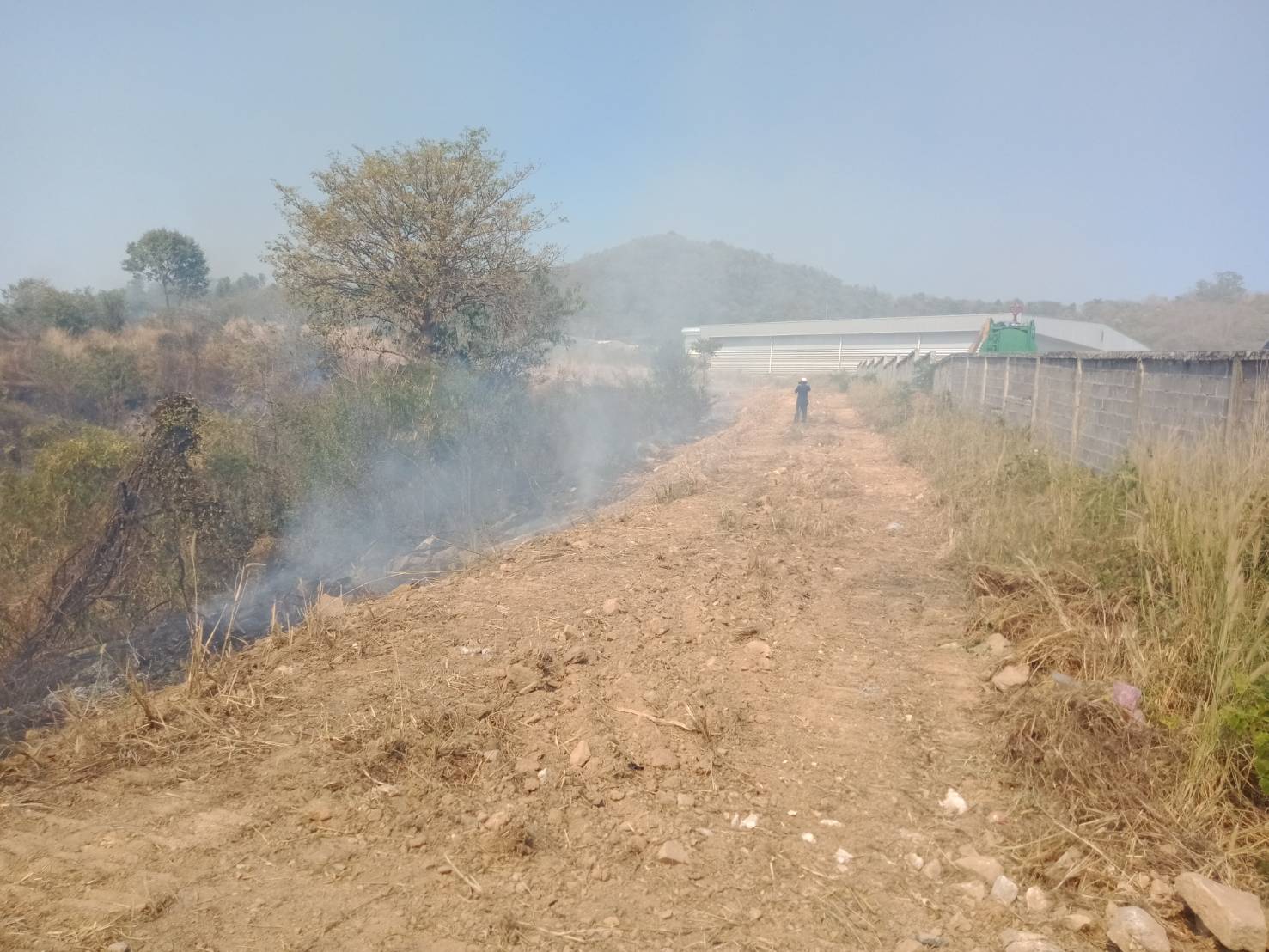
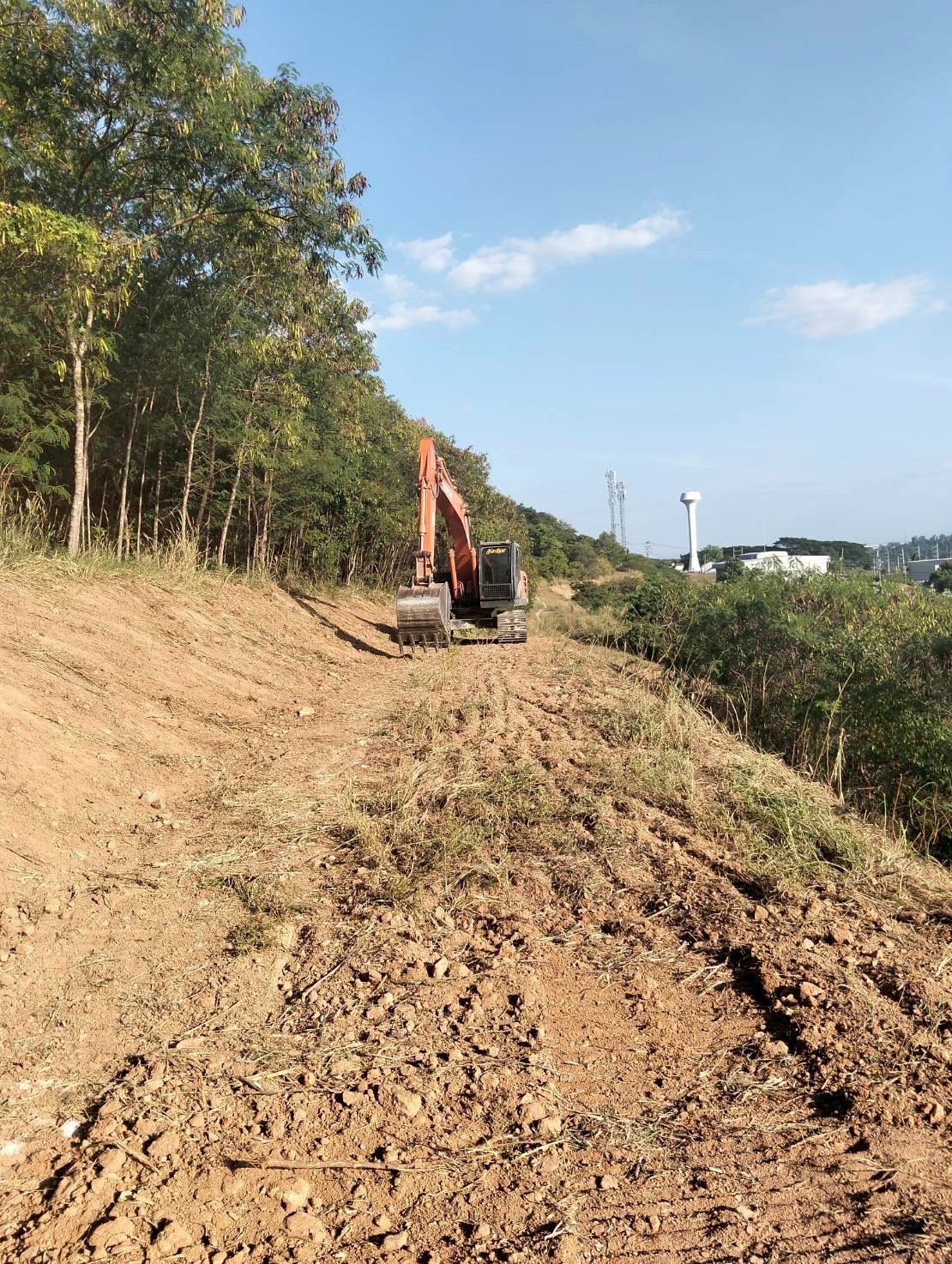
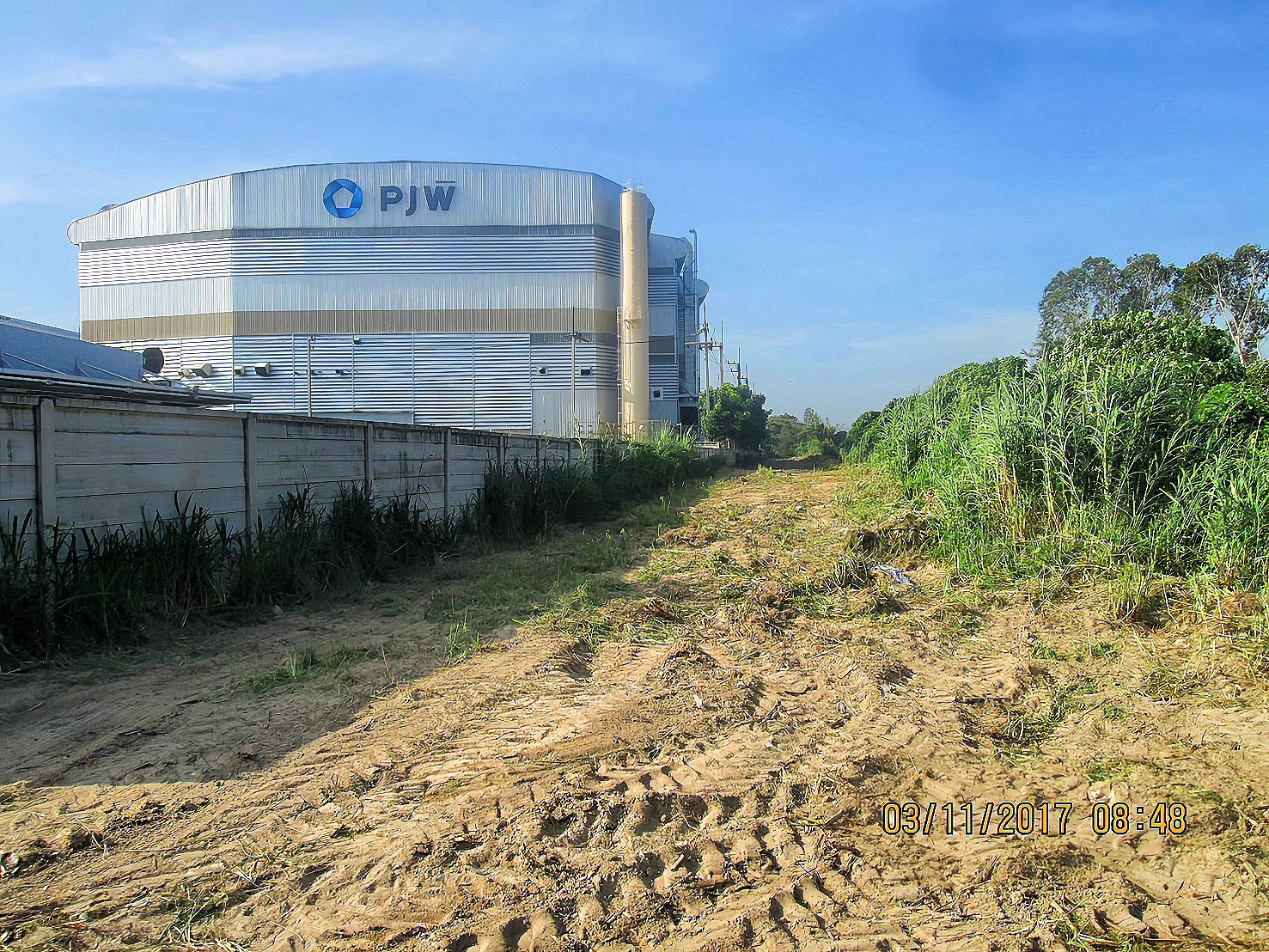
The fire protection buffer zone project around the industrial estate is highly significant for elevating overall safety and risk management. Industrial estate areas are often situated near communities, agricultural land, and open spaces, which carry fire risks from external factors such as open burning, wildfires, or accidents from surrounding activities. Without a proper buffer zone, fires could spread into the estate, causing severe damage to property, infrastructure, utility systems, and operators' business continuity. The Company therefore established fire protection buffer zones around the estate perimeter, totaling 281,292 square meters and covering a total firebreak area of 1,504,707 square meters. The design includes firebreak lines, defensive open spaces, perimeter roads, and green barriers that help decelerate and limit fire spread, along with regular maintenance, care, and area condition inspection measures.
The fire protection buffer acts as a preventive measure that reduces the likelihood of major fire incidents, increases response time for relevant agencies, and supports access for fire trucks and emergency teams, enabling more efficient and safer situation control. The project also plays a key role in protecting the lives and safety of employees, operators, and surrounding communities, while reducing environmental impacts from smoke and pollution that may arise from widespread burning. It further safeguards utility system stability and business continuity of the industrial estate in emergencies, reflecting preventive risk management that prioritizes safety above all.
Flood Prevention Infrastructure Construction Project in the Industrial Estate
Flooding and increased rainfall from extreme weather represent physical risks that may cause severe impacts on the industrial estate — to infrastructure, utility systems, production processes, and operators' supply chains. Without effective preventive measures, flooding could lead to operational disruption, property damage, widespread economic loss, and impacts on surrounding communities.
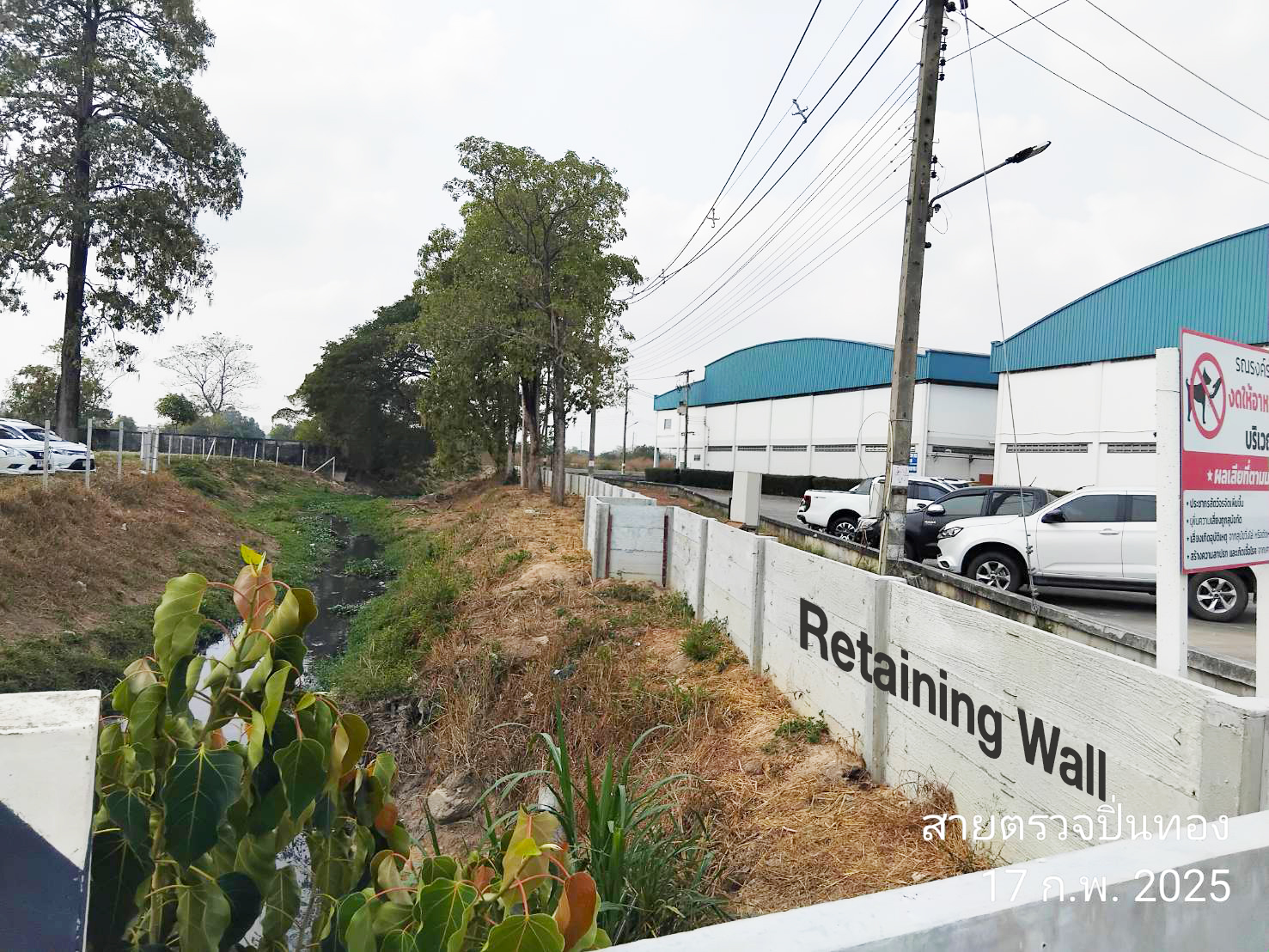
The Company therefore carries out the construction and upgrading of flood prevention infrastructure within the industrial estate, covering maintenance and enhancement of the drainage channel system, construction of retention basins, reinforcement of flood defense lines, dredging of public streams and canals to maximize overall drainage capacity, as well as construction of infrastructure to prevent water inflow into customers' factories during heavy floods. The Company also integrates area-level water management to align with increasing rainfall risk trends and extreme weather conditions that are becoming more severe due to climate change.
This construction reduces the risk of flooding and enhances the resilience of infrastructure, reducing the likelihood of floods within the estate by at least 24 factories per year — enabling operators to continue business operations, reducing costs from damage recovery, and maintaining supply chain stability. It also mitigates impacts on surrounding communities and strengthens confidence among operators, investors, and regulators, reflecting proactive risk management integrated with industrial estate infrastructure development to enhance resilience and readiness for future flooding events.
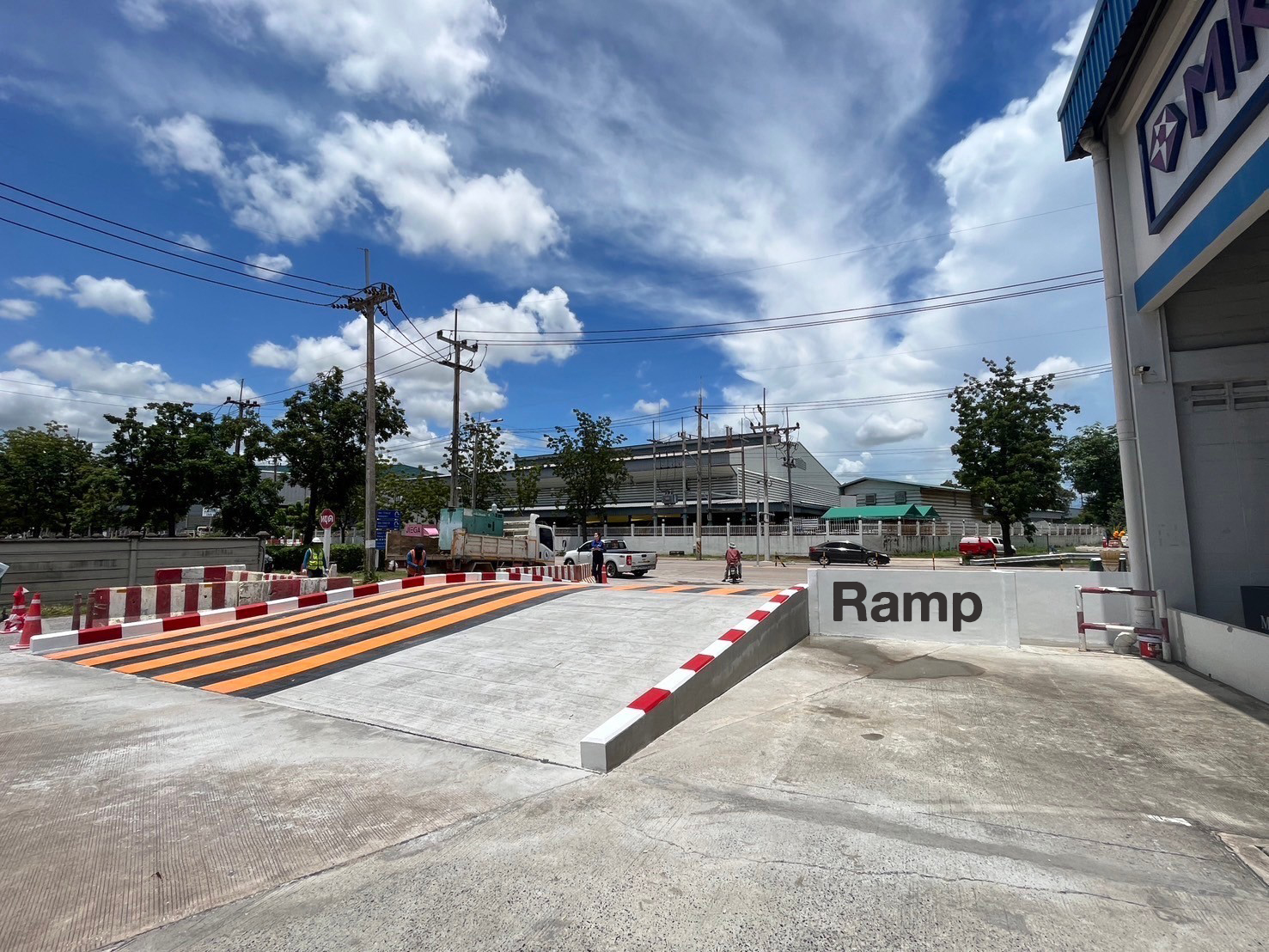
Customer-Centric Approach
The Company's industrial estate development lies in a “Customer-Centric” philosophy, tailoring project designs and facility administration completely around the multilayered demands of tenants and business operators. This encompasses operational efficiencies, rigid safeties, logistical affordability, and pristine workplace ecosystems. The core strategy precisely delineates project scope and location selection carefully to afford dynamic operational oversight that readily embraces customer production expansions dynamically. A strategically scaled zone cuts internal traffic friction, alleviates rush hour congestions, and profoundly magnifies the fluid transit of cargo due to intentional geographical tethering with principal local infrastructures, major seaports, and pivotal transit highways. The cascading effect empowers vast cost reductions and injects robust competitive momentum for operators. Concurrently, pioneering innovations encompassing AI modeling, extensive CCTV integration, and digitized facility command systems govern area oversight diligently, advancing absolute confidence structurally for all stakeholders.
Comprehensive master planning thoroughly considers communal integration and ecological harmony systematically injecting broad green expanses with pristine environmental protocols so operators can forge growth while firmly anchored within progressive sustainability benchmarks. As a result, the corporation’s development strategy relentlessly delivers tremendous equity for clients fundamentally via meticulous spatial architecture, resilient infrastructure installations, and a flawless service framework inherently tailored around exact customer requirements.
Acknowledging physical estate operators as vital primary stakeholders effectively elevates premier services—fast and flawlessly aligned with operational urgencies—as paramount features of value. Consequently, the firm operates an array of omnichannel listening touchpoints spanning both informal setups and formalized panels to consistently pool deep insights. The constant gathering of granular feedback, persistent hurdles, and unfolding aspirations inherently molds continuous upgrades driving impeccable delivery quality across all public spaces and bespoke tenant offerings.
| Channel Type | Communication Channel Details |
|---|---|
| Primary Communication Channels |
|
| Secondary Communication Channels |
|
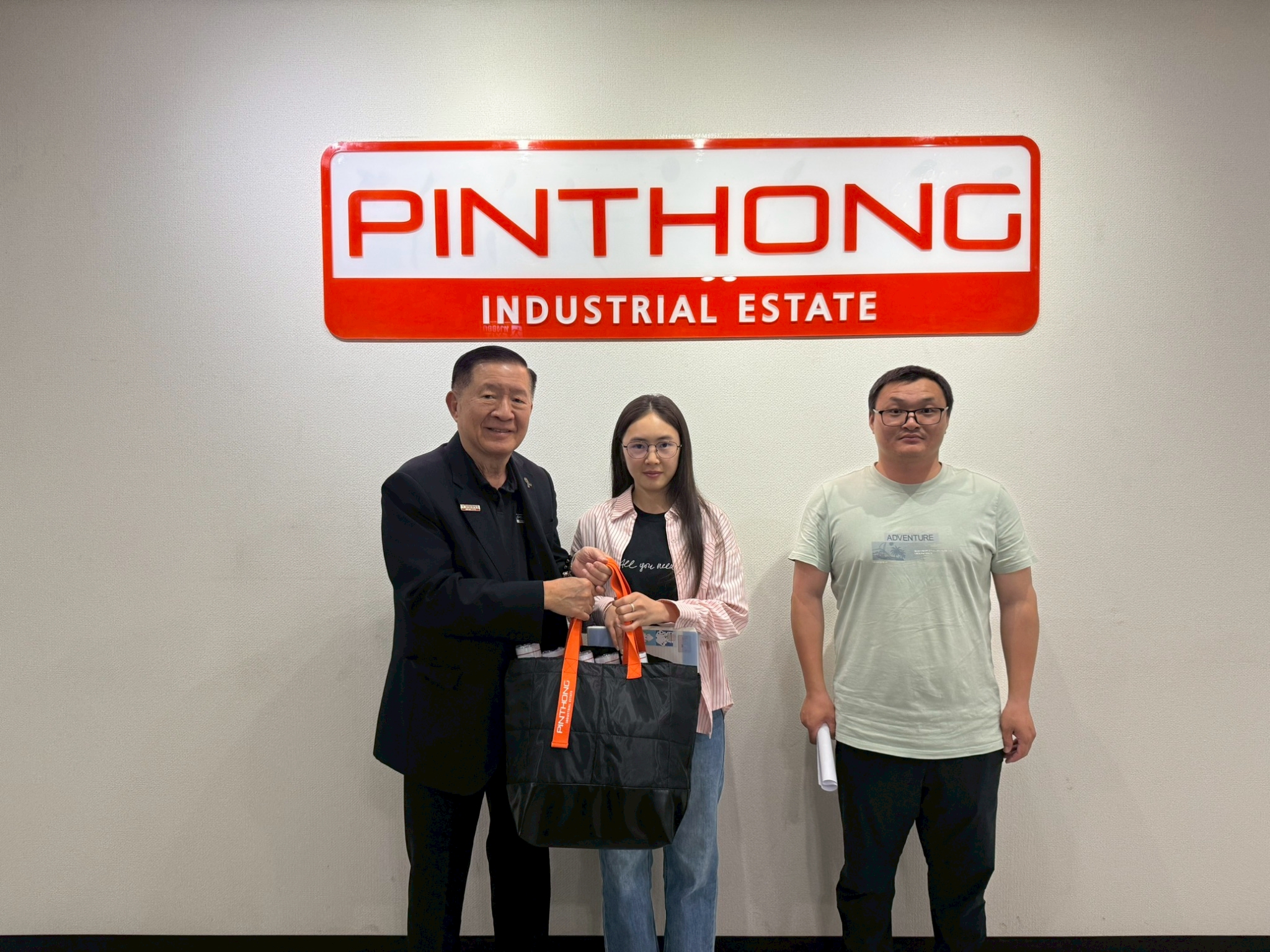
To ensure complete and prompt responses to customer needs, the Company has developed a Customer Relationship Management (CRM) system via LINE Official Account (LINE OA) as the primary channel for communication, issue reporting, and information dissemination to business partners under a unified structure — reducing redundant workflows and accelerating service delivery. The system connects directly to LINE OA and can record request data, track statuses, and safely maintain comprehensive communication histories. Currently, there are 468 LINE OA followers, representing approximately 85% of all operators. The rest are operators under construction or those who do not yet have a Thai-speaking coordinator. Additionally, the Company utilizes a Customer Email List covering 100% of factory operators as a parallel formal communication channel.
In 2025, the Company received 47 requests for support, assistance, coordination, and suggestions through the LINE OA system, successfully processing and resolving all cases within the specified timeframes, achieving a 100% completion rate.
| Target Group | Benefits Received |
|---|---|
| Benefits to the Company |
|
| Benefits to Customers / Operators |
|
Building Customer Satisfaction and Long-Term Relationships
The Company establishes clear guidelines for building customer satisfaction and long-term relationships through two key mechanisms:
- Providing an efficient, transparent, and auditable mechanism for receiving complaints and suggestions.
- Continuously developing after-sales service and customer care to build trust and organizational loyalty.
The Company provides diverse and easily accessible channels for customers and operators to submit complaints. Every complaint is systematically recorded, fact-checked, and assessed fairly, prioritizing the level of impact, contractual terms, and relevant laws. When issues requiring action are identified, the Company promptly resolves them, mitigates impacts, and considers appropriate compensation or remedies. For example, if it is necessary to stop the water supply in the pipeline due to repairs, the Company arranges water trucks for customers who have an emergency need to minimize disruptions to their operations, while continuously updating the complainants on the progress.
Regarding after-sales service development, the Company analyzes complaints and suggestions to identify root causes, improve work processes, and elevate service standards to prevent recurrences and increase responsiveness to customer needs. The responsible department conducts satisfaction assessments and formulates annual corrective plans based on customer feedback to ensure clear directions for service improvements that align optimally with operators' expectations.
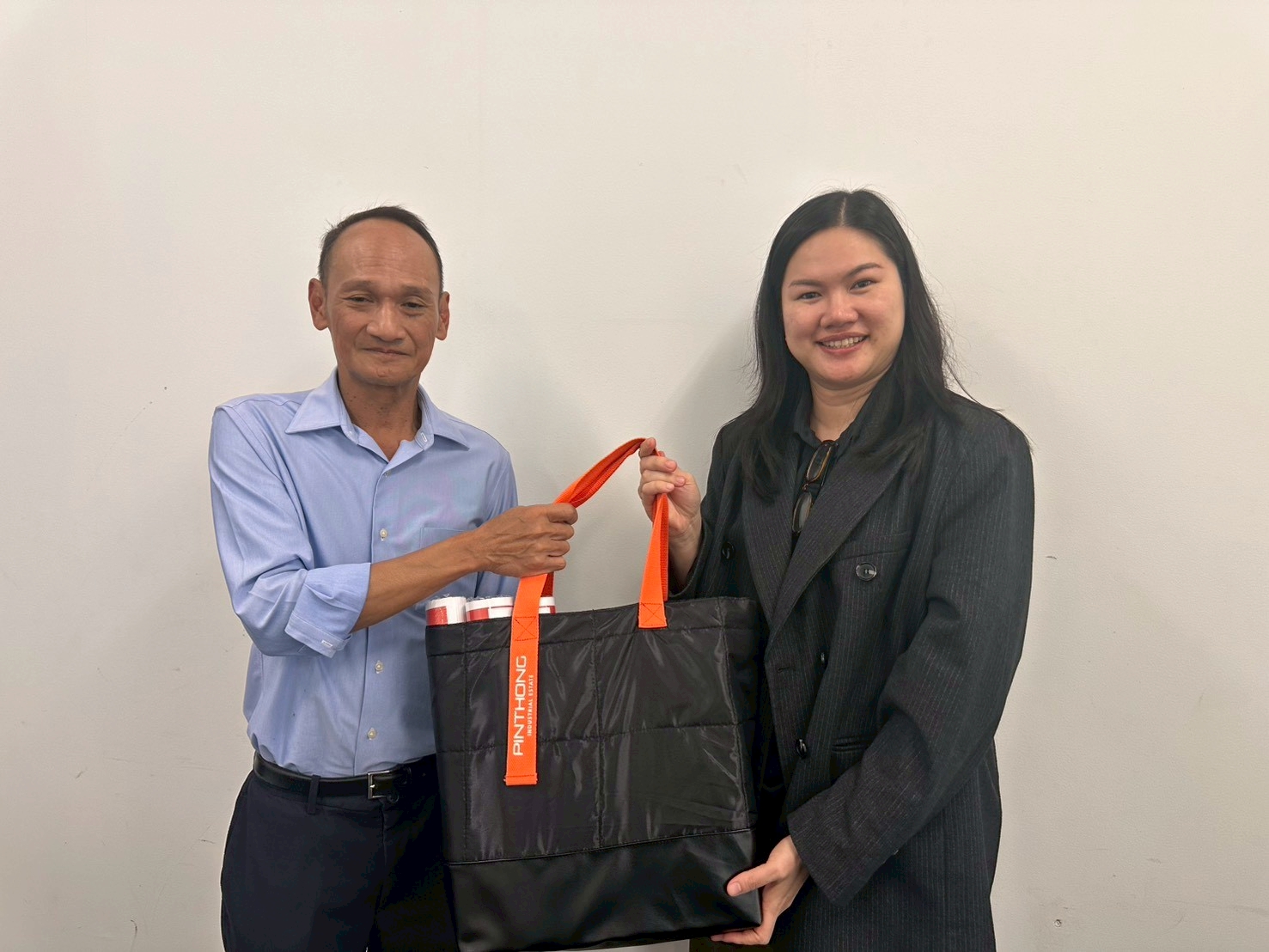
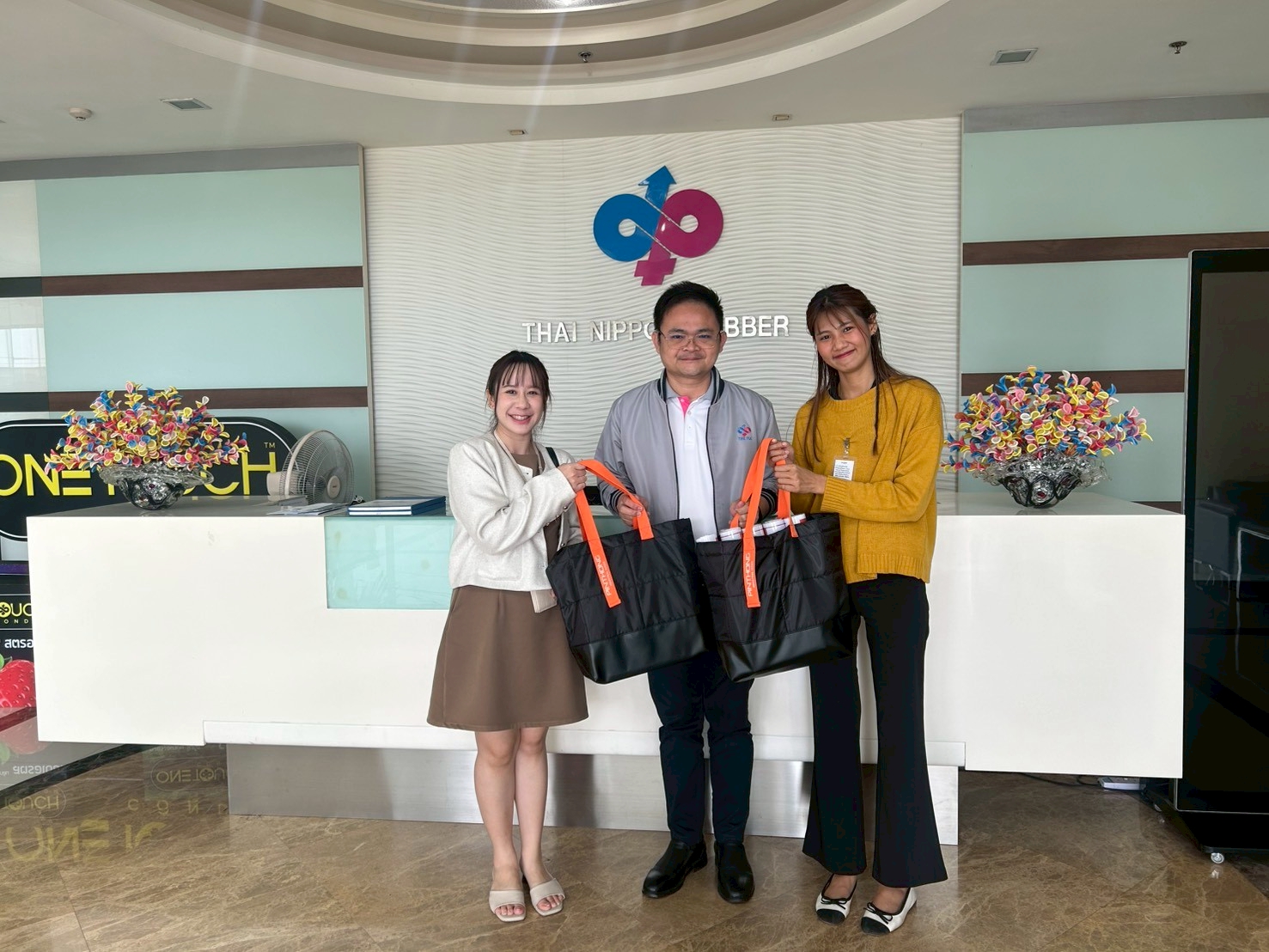
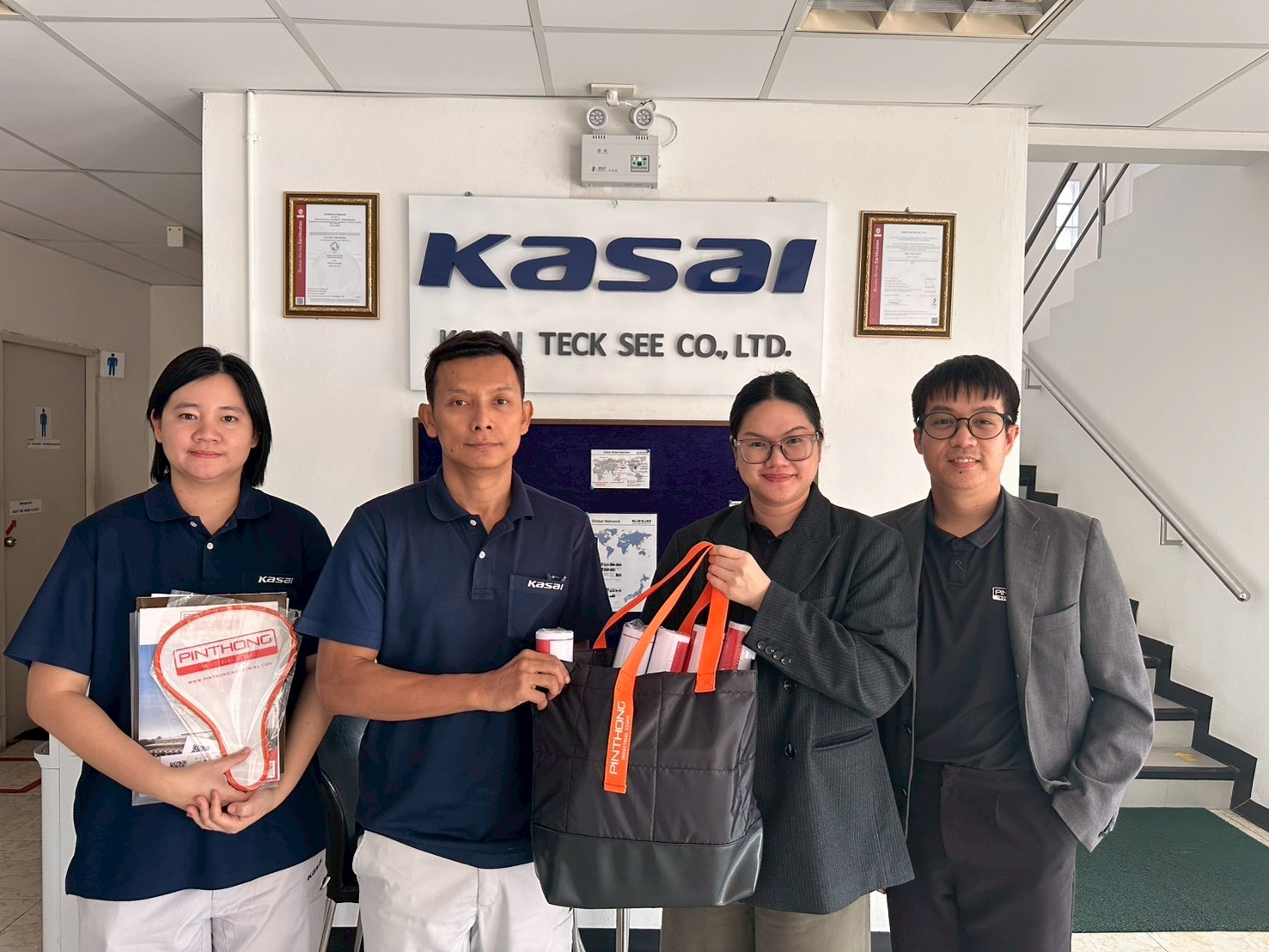
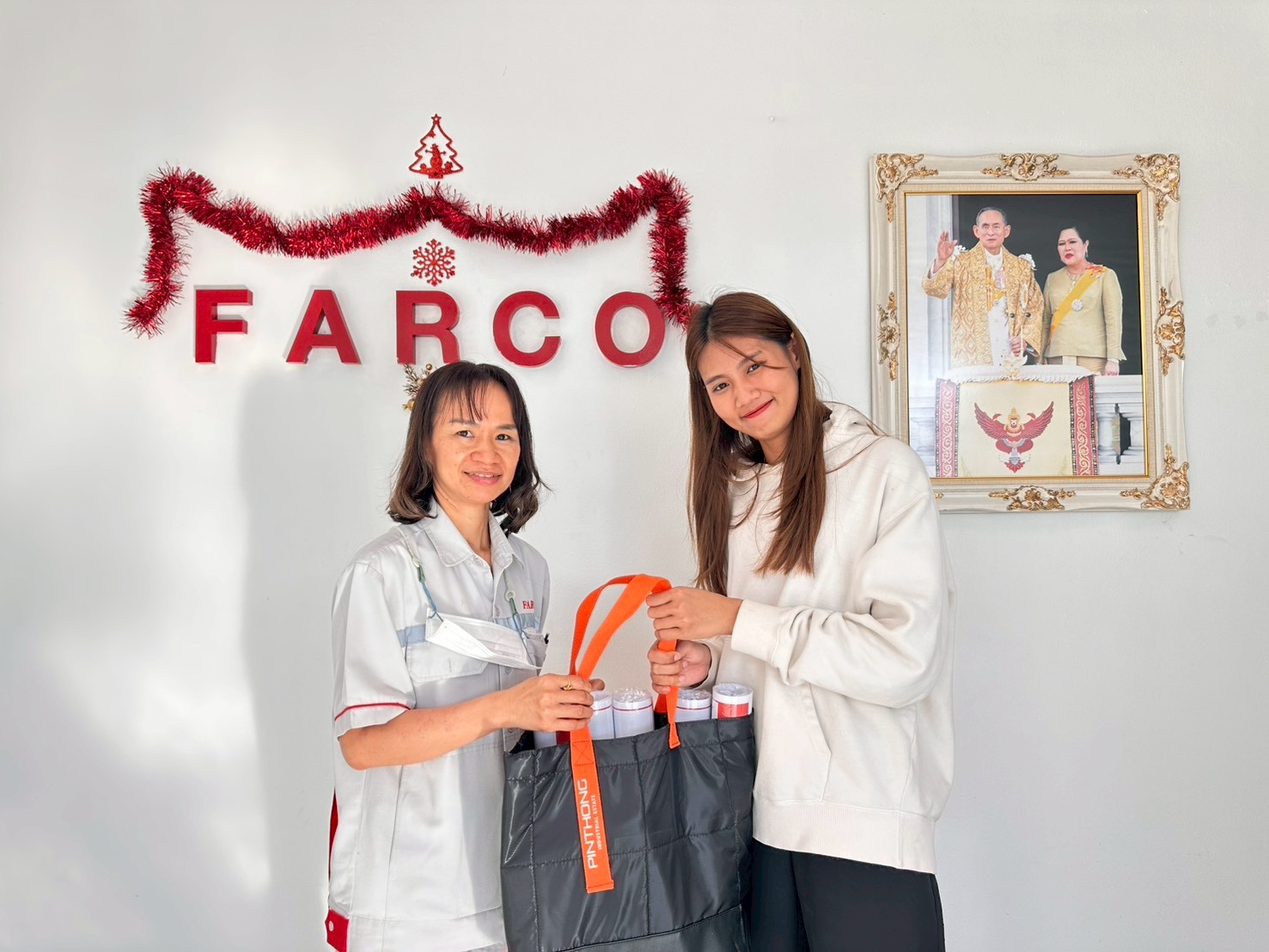
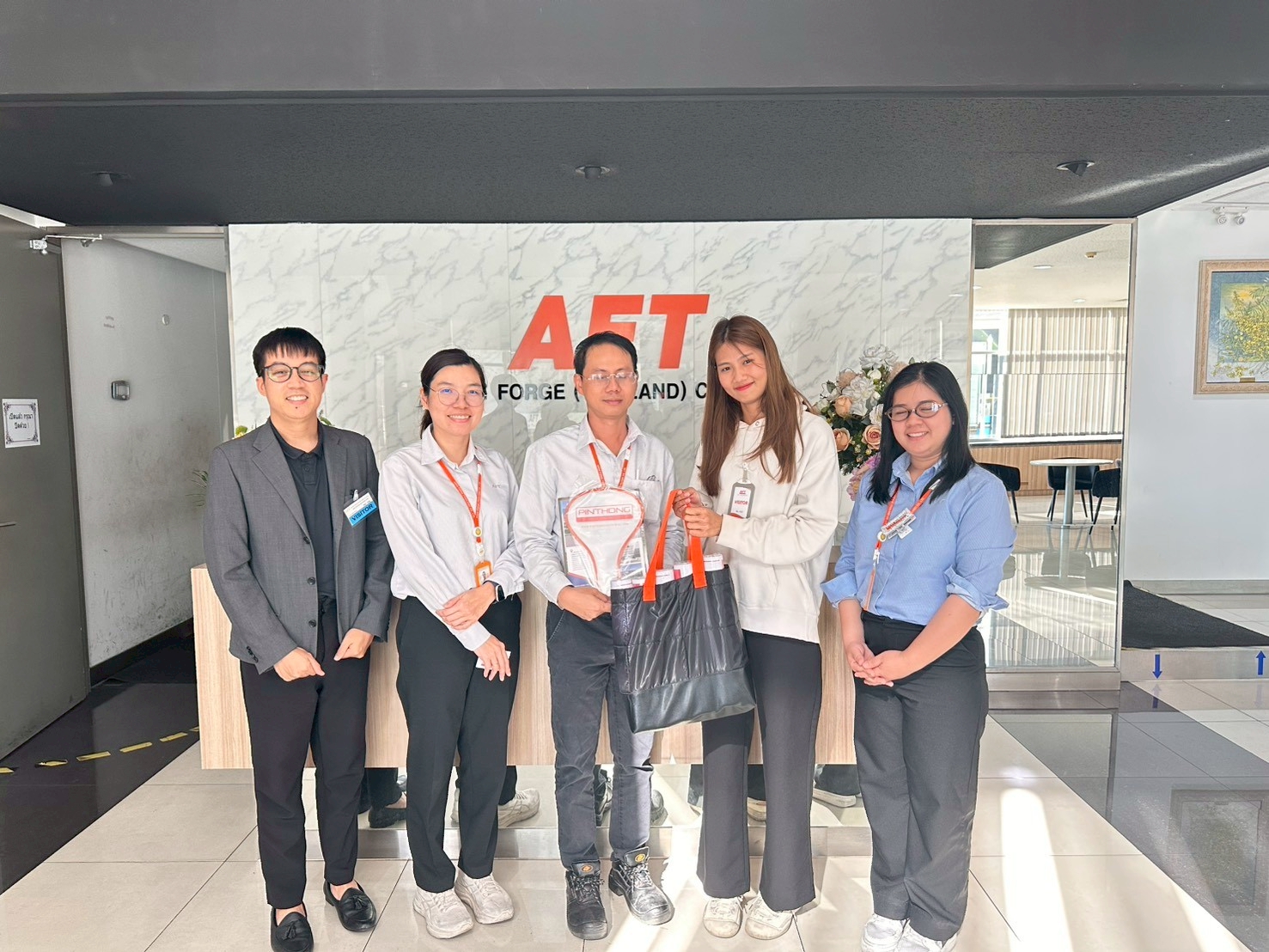
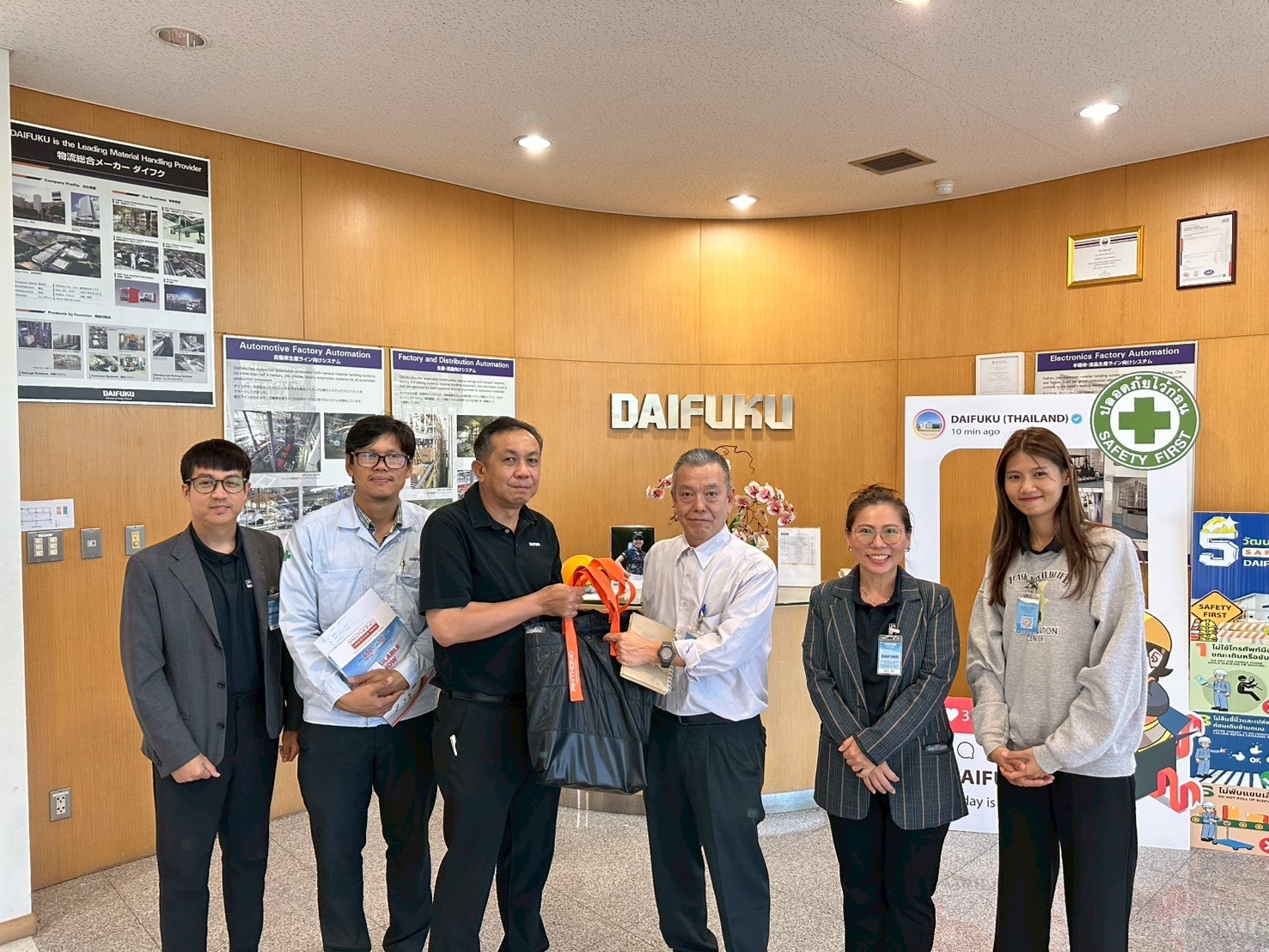
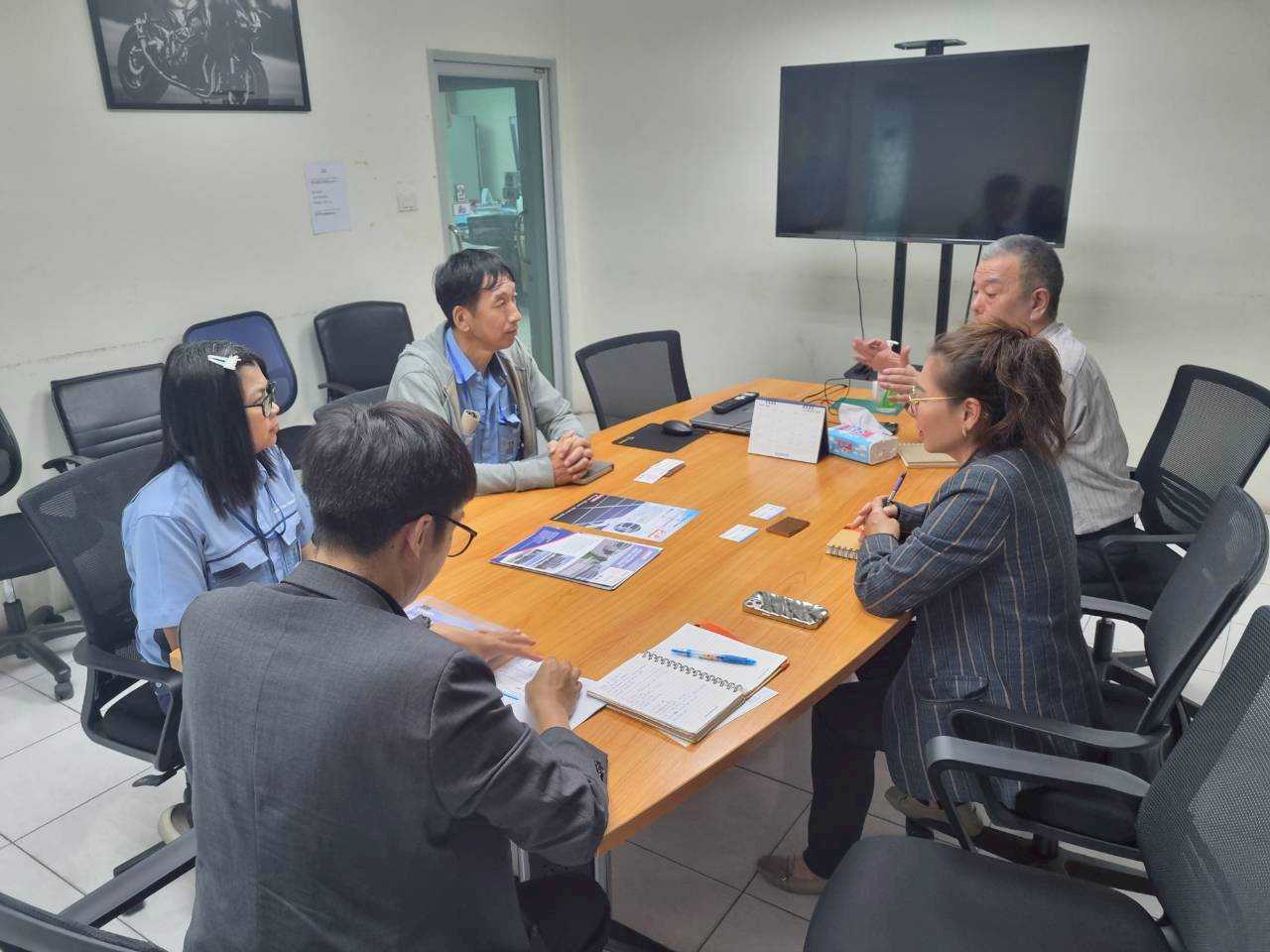
To standardize operations, the Company has established an organized step-by-step customer complaint management process, covering receipt, assessment, resolution, monitoring, and closure, with an accompanying operational workflow diagram as follows:
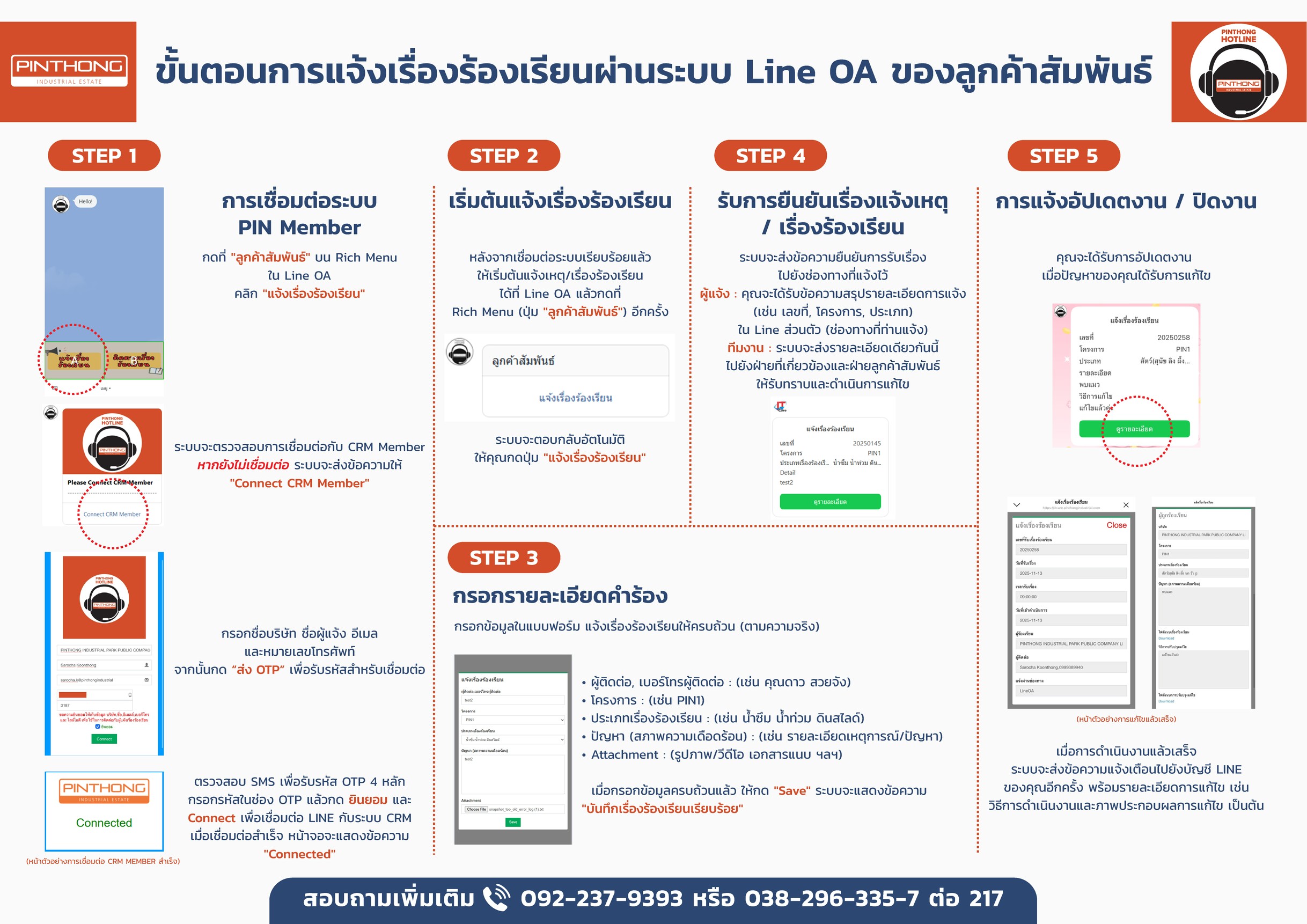
Customer Complaint Management Process
In 2025, the Company found no significant complaints regarding service quality or public utility systems within the industrial estates. Furthermore, to elevate proactive communication standards, the Company added guidelines for notifying operators regarding maintenance or repairs of the industrial water distribution network. In addition to announcing advance schedules for maintenance shutdowns, the Company requires periodic task progress updates via LINE Official Account (LINE OA) until completion. This allows operators to appropriately plan their operations, reduce uncertainty, and foster confidence in the industrial estate's utility management.
Additionally, under the ongoing strategy for after-sales service and customer care development, the Company is preparing its utility system capacity to handle operator growth. Due to customers expanding production capacity within the area, industrial water demand has increased significantly. Consequently, the Company planned additional investments aligned with customers' business expansion directions. This focuses on both increasing production capability and developing water management efficiency, alongside adopting appropriate technologies to adequately and stably support operations. Examples include expanding industrial water production potential using UF (Ultrafiltration) systems, which enhances water quality and production stability, as well as formulating a recycled water management plan to utilize water resources cost-effectively and reduce water loss in the production process.
Customer Satisfaction Survey
The Company prioritizes tracking customer satisfaction levels by conducting an annual customer service satisfaction survey, separate from the overall industrial estate management satisfaction survey. This ensures performance regarding utilities and services is assessed accurately, utilizing the results to plan service improvements aligning with customer needs. The survey is conducted via an online questionnaire utilizing a 5-level Rating Scale to measure service quality satisfaction across various dimensions, covering 3 main categories: the Company's personnel service operations, utility system services, and common area maintenance services. The survey involved all 343 operators, with 292 respondents and 51 non-respondents—most of the latter being operators still under construction or those who haven't commenced operations.
The 2025 satisfaction survey results across industrial estates revealed that the overall aggregate average score among all projects achieved a 85.05% satisfaction rate. When examining project-specific scores, every project ranked at a 'Good' level or exceeded 75%, with some surpassing 90%. By category, personnel service quality scored 94.7%, utility system service quality scored 86.00%, and common area service quality scored 82.80% — exceeding the predefined targets in all categories. This demonstrates that service quality and area management align with operators' expectations.
Although the overall score exceeded defined targets, the Company maintains its commitment to continuous improvement by reviewing topics that received the lowest average scores. These pertained to the 'Common Area Maintenance Service' category, specifically regarding tree and green space maintenance. This stems from the Company's ecological approach that aims to minimize unnecessary pruning or felling to preserve biodiversity and reduce environmental impacts. Consequently, at times, green areas appear denser from the perspective of some operators. Providing a balanced solution, the Company adjusted its maintenance approach by focusing on trimming branches that encroach on factory boundaries or obstruct visibility, while simultaneously communicating the concepts of ecological green space care to operators. This aims to balance aesthetic appeal, safety, and environmental conservation, while actively incorporating survey results into the analysis of improvement areas to establish successive service development plans to maintain customer satisfaction and elevate industrial estate management standards in the future.
Customer Satisfaction Score (%) Surveyed by the Company
In addition to the satisfaction survey conducted internally by the Company, the Industrial Estate Authority of Thailand (IEAT), serving as the regulatory body, also conducted a satisfaction survey. The Company achieved a score of 90.25%, exceeding the target of greater than 85%. This assessment result enhances the transparency and credibility of the Company's service operation outcomes.